India Emerges as a Growing Hub for Specialty Chemical Re-Exports to Western Markets
India Emerges as a Growing Hub for Specialty Chemical Re-Exports to Western Markets
India’s specialty chemical sector is steadily increasing its role in supply chains that serve Western markets. Rising domestic capacity in intermediates, agrochemical actives, pharmaceutical ingredients and performance chemicals—combined with improving logistics and preferential trade arrangements—is supporting higher export volumes into Europe and North America. In many cases Indian producers are not only supplying finished specialties but also functioning as an intermediate processing and re-export hub, converting or finishing materials for onward shipment to regulated Western destinations.
The shift reflects both push and pull factors. On the supply side, Indian companies have invested in multipurpose plants, stronger process chemistry capabilities and compliance systems geared toward US and EU quality and regulatory expectations. On the demand side, Western buyers seeking to diversify away from single-origin dependence, manage tariff exposure or secure cost-competitive alternatives have qualified more Indian sources. Recent free-trade and preferential arrangements have further improved landed-cost competitiveness for a wide range of chemical tariff lines into key European and other partner markets.
Capacity, Compliance and Trade-Policy Tailwinds
Specialty chemical clusters in Gujarat, Maharashtra and other states continue to add capacity in intermediates and formulated products. Producers that once focused primarily on domestic or regional demand are increasingly oriented toward export specifications, documentation and audit readiness. Regulatory compliance—REACH-related data, FDA or equivalent quality systems, and growing attention to sustainability metrics—has become a commercial differentiator rather than a pure cost center.
Trade policy has reinforced the momentum. Agreements that reduce or eliminate duties on substantial shares of chemical trade with European partners improve the relative attractiveness of Indian material versus origins that face higher tariffs or greater geopolitical friction. For buyers in Europe and North America, the combination of competitive production costs, expanding product range and improving preferential access makes India a practical node in diversified sourcing strategies.
Implications for Global Procurement and Supply Chains
For Western formulators and distributors, the rise of Indian specialty chemical supply offers additional origin flexibility and, in many product families, a credible alternative or complement to traditional sources. Qualification cycles remain rigorous, particularly for regulated or high-purity applications, yet the pipeline of approved Indian suppliers continues to lengthen. Logistics links—direct container services, improved inland connectivity and more sophisticated export handling—support the physical movement of both bulk intermediates and higher-value formulated products.
Indian exporters, for their part, are moving up the value chain. Greater emphasis on specialties, custom synthesis and re-export of processed intermediates increases margin potential and deepens integration into global value chains. Challenges persist around infrastructure bottlenecks, consistency of scale-up and the need for continued investment in green chemistry and traceability to meet evolving Western customer requirements. Those that address these issues effectively are capturing a rising share of trade flows into Europe and North America.
India is not yet a dominant global specialty chemical exporter, but it has become a meaningful and growing hub. Expanding capacity, stronger compliance capabilities and improved market access are enabling higher volumes of intermediates and formulated products to move into Western markets—repositioning India as a strategic node rather than a peripheral supplier in global specialty chemical trade.
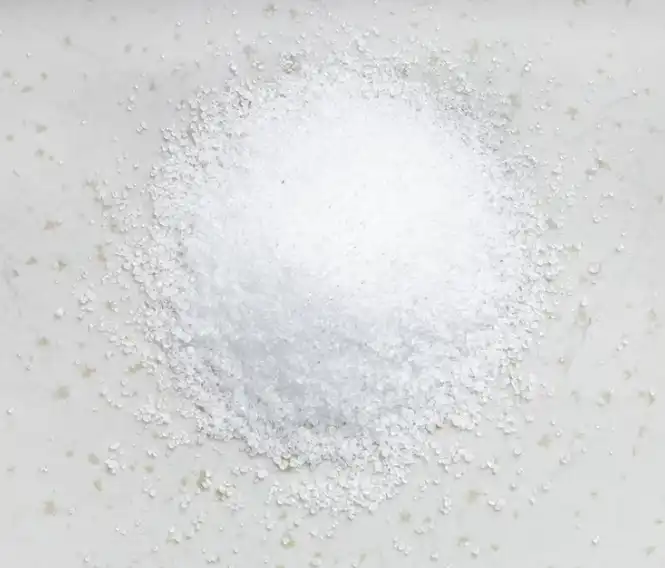
Ammonium Bicarbonate (E503(ii))
Found this useful?