India Secures Fertilizer Lifeline: 15 Safe Hormuz Crossings Strengthen Kharif Supply Outlook
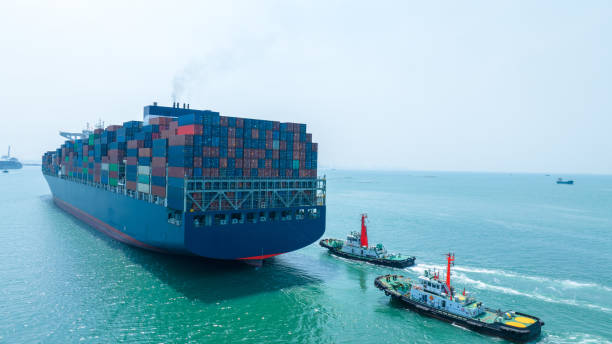
India's fertilizer supply outlook has shifted sharply in a positive direction following confirmation that 15 vessels safely crossed the Strait of Hormuz while domestic fertilizer production reached a record high. For fertilizer buyers, distributors and procurement managers, this marks the strongest supply security signal since the regional crisis began on February 28. The combination of improving maritime logistics and expanding local production could reduce immediate supply risks during the crucial Kharif planting season.
Market participants are now assessing whether the incoming shipments of urea, ammonia and diammonium phosphate (DAP) will provide sufficient inventory to meet seasonal demand without triggering another wave of emergency imports.
Why the 15 Safe Hormuz Crossings Matter
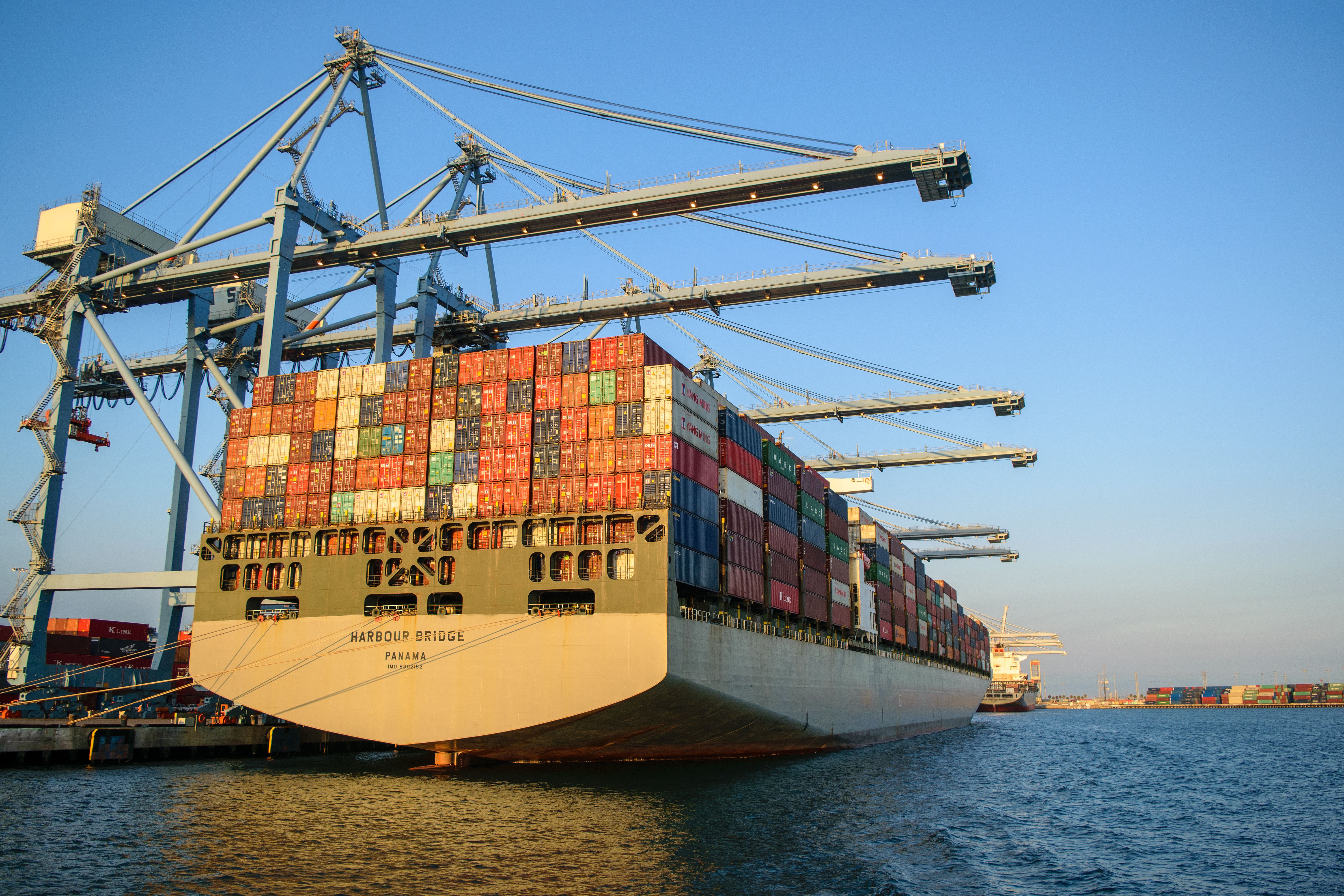
The Strait of Hormuz remains one of the world's most important energy and bulk chemical shipping routes. Any disruption affects fertilizer feedstocks, finished fertilizers and freight availability across Asia.
The successful transit of 15 vessels indicates that the convoy system is becoming increasingly effective. More predictable vessel movement improves delivery schedules and reduces uncertainty for importers planning inventory.
For procurement teams, this development offers several commercial advantages.
Improved vessel reliability helps buyers plan warehouse arrivals with greater confidence and reduces unexpected shipment delays.
Freight planning becomes easier when shipping lanes remain operational, allowing companies to negotiate transport more effectively.
Stable arrivals reduce the likelihood of panic purchasing, which often pushes fertilizer prices higher during supply disruptions.
Record Domestic Fertilizer Production Changes the Supply Picture
Safe imports represent only one side of the equation. India's record fertilizer production provides an additional layer of supply security.
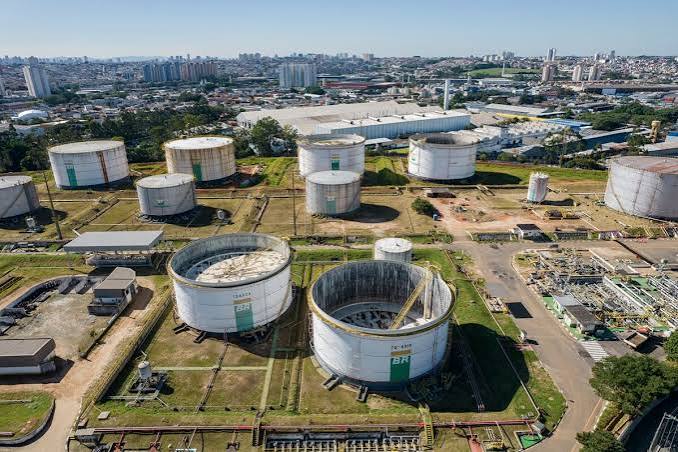
Higher domestic output likely reflects state fertilizer facilities returning to normal operations alongside urea plants operating at maximum capacity. Greater local production reduces dependence on imported material during periods of geopolitical uncertainty.
This balanced supply mix creates greater resilience because buyers are no longer relying solely on overseas shipments to satisfy seasonal demand.
Kharif Season Demand and Procurement Planning
The timing of these developments is especially significant because the Kharif planting season generates one of the year's highest fertilizer demand cycles.
Farmers require reliable supplies before planting schedules begin. Delayed deliveries during this period can affect crop planning and create regional shortages.
Procurement managers should closely monitor several indicators over the coming weeks.
Arrival schedules for imported cargoes carrying urea, ammonia and DAP.
Inventory levels across major distribution hubs serving agricultural markets.
Domestic production rates at fertilizer manufacturing facilities.
Freight availability and vessel scheduling through the Strait of Hormuz.
Could Imports Be Enough to Meet Seasonal Demand?
The central question now focuses on whether the arriving shipments contain enough fertilizer volume to satisfy agricultural demand throughout the Kharif season.
If vessel cargoes align with current consumption forecasts, India may avoid additional emergency procurement in the near term. Combined with strong domestic manufacturing, this would improve supply stability and reduce pressure across distribution networks.
While buyers should continue monitoring market developments, current signals point toward a considerably healthier supply environment than earlier in the crisis.
How This Could Influence Fertilizer Prices
Supply improvements do not automatically result in lower prices, but they can reduce upward pressure caused by uncertainty.
Several market forces will determine pricing over the coming months.
Higher domestic production increases available supply and may improve market competition.
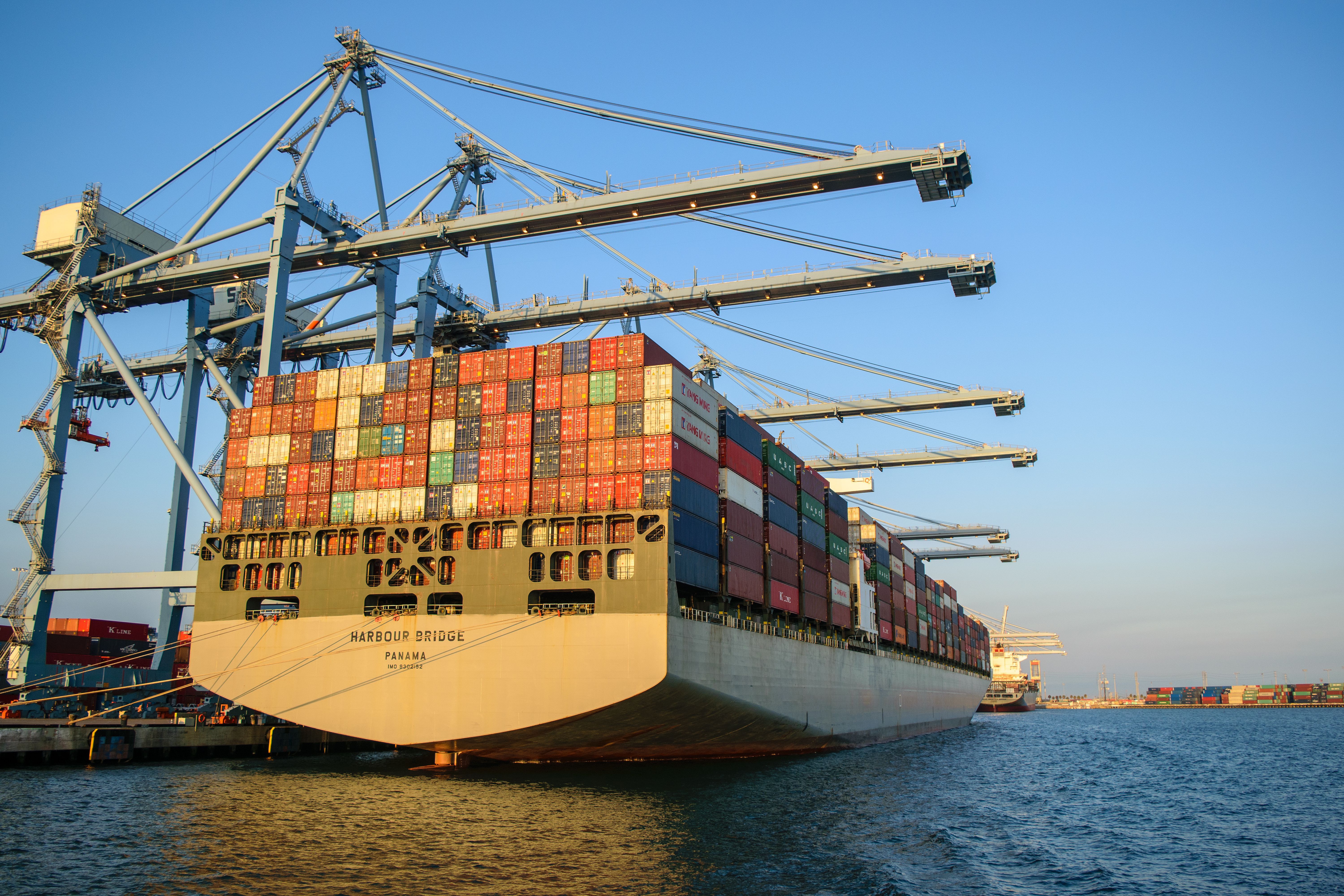
Reliable shipping reduces emergency freight premiums that often raise landed costs.
Seasonal demand remains strong, which may continue supporting prices despite improved availability.
Global raw material costs will still influence finished fertilizer pricing across international markets.
Buyers should evaluate both domestic production trends and international freight conditions before making long-term purchasing commitments.
Supply Chain Lessons for Importers
Recent events highlight the importance of building resilient procurement strategies rather than relying on a single source or transport route.
Leading procurement organizations increasingly focus on diversified sourcing, flexible logistics and stronger supplier relationships to reduce operational risk.
Practical measures include:
Maintaining multiple qualified suppliers across different producing regions.
Monitoring shipping developments that affect key trade corridors.
Building safety stock before peak agricultural demand periods.
Reviewing supplier production capacity alongside logistics performance.
These practices help companies respond more effectively when geopolitical events affect global trade.
Regional Trade Outlook
India remains one of the world's largest fertilizer consumers, making its procurement decisions important for regional trade flows.
Improved domestic production may temporarily reduce import dependence, allowing suppliers in exporting countries to redirect some volumes toward other markets if required.
At the same time, successful Hormuz crossings demonstrate that international supply chains continue adapting despite ongoing geopolitical challenges. This flexibility supports greater confidence across fertilizer markets serving Asia.
What Buyers Should Do Now
Current market conditions present a more balanced procurement environment than earlier this year. The combination of reliable shipping through the Strait of Hormuz and record domestic production strengthens India's fertilizer supply position ahead of peak agricultural demand.
Procurement teams should continue tracking vessel arrivals, inventory trends and production levels while maintaining disciplined purchasing strategies instead of reacting to short-term market sentiment. Companies that combine timely market intelligence with diversified sourcing will remain better positioned throughout the remainder of the agricultural season.
Ready to source fertilizer products from verified global suppliers? Explore competitive offers on our platform today.
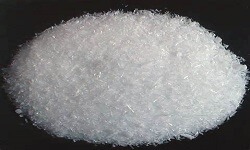
Urea (Granular) - Egypt
Found this useful?