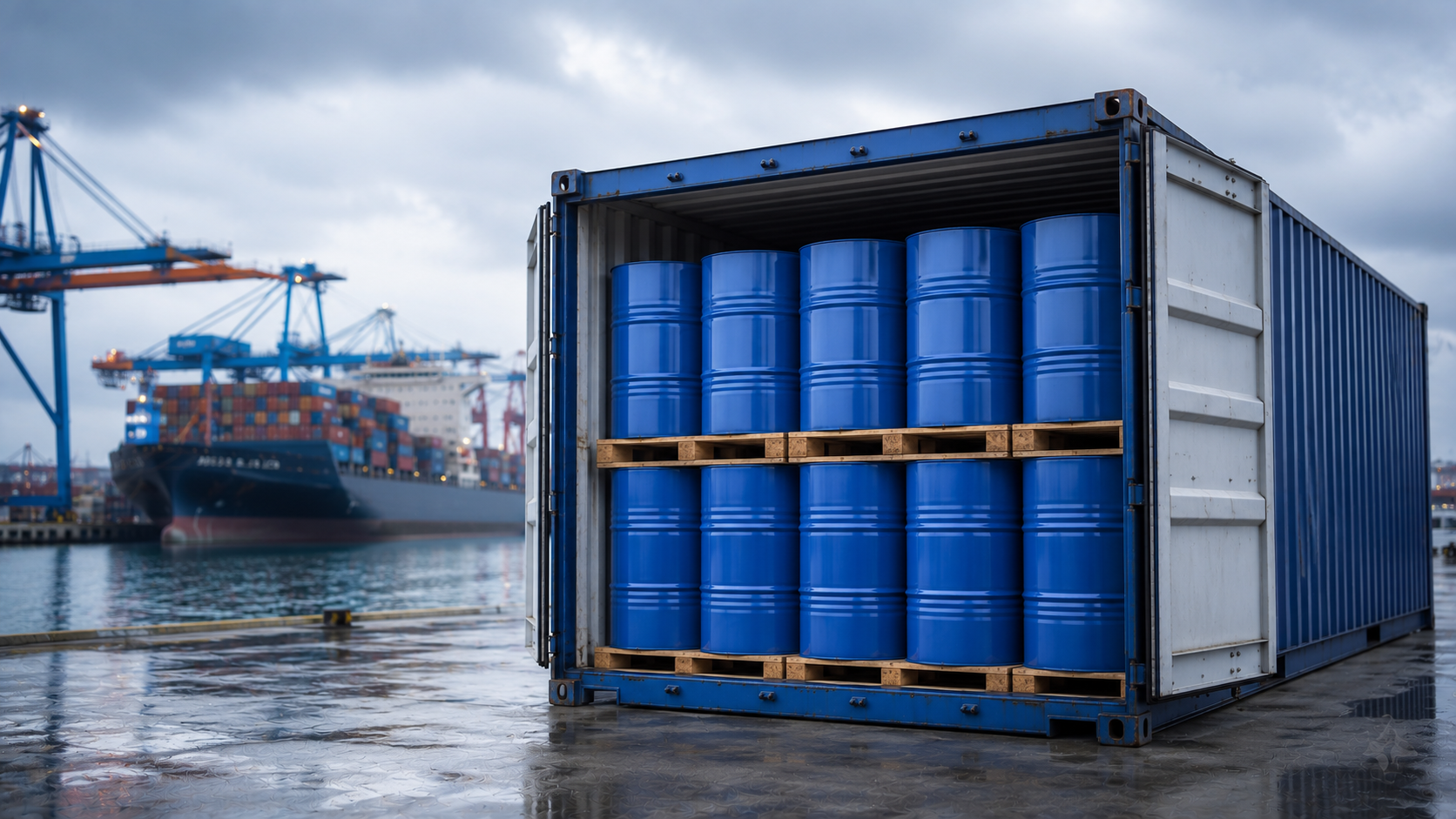
India's proposed anti-dumping duties on US chemicals have introduced a fresh layer of uncertainty into global chemical trade. According to July 2026 industry reporting, India plans to impose five-year anti-dumping duties on shipments supplied by four major US chemical companies. The announcement immediately attracted the attention of procurement teams, traders and manufacturers that rely on stable international supply.
Although anti-dumping investigations are not uncommon, a long-term measure can influence purchasing decisions well beyond the companies directly involved. Buyers now face questions about future pricing, supplier diversification and the potential shift of trade flows toward alternative exporting countries.
Understanding India's Proposed Anti-Dumping Duties
Anti-dumping duties are trade measures that governments use when imported products enter the domestic market at prices considered unfairly low. These duties aim to create more balanced competition between imported products and domestic manufacturers.
In this case, India intends to apply duties for a period of five years on shipments from four major US chemical producers. Such a duration signals that the measure could influence procurement strategies for several contract cycles rather than creating only a short-term market adjustment.
Why This Matters for Global Chemical Trade
India remains one of the world's largest consumers of industrial chemicals across manufacturing, agriculture, pharmaceuticals, textiles and infrastructure sectors. Any policy affecting imports into such a significant market naturally attracts global attention.
The proposed duties could produce several market effects.
US suppliers may experience reduced competitiveness in the Indian market because imported products become more expensive after duties apply.
Indian buyers may increase purchases from suppliers located in Asia, the Middle East or Europe to maintain cost efficiency.
Global traders could redirect cargoes toward markets with stronger demand, creating changes in regional supply availability.
These adjustments often extend beyond one country because international chemical markets operate through interconnected supply networks.
Procurement Teams Face New Cost Variables
Purchasing departments rarely evaluate only the listed product price. They also consider freight costs, import duties, delivery schedules, inventory requirements and long-term supply reliability.
The proposed duties introduce another variable into total procurement costs. Buyers with contracts tied to US suppliers may need to review whether current agreements remain commercially competitive after implementation.
Several procurement priorities are likely to receive greater attention.
Supplier diversification helps reduce dependence on one geographic source.
Flexible contract structures provide room to respond if trade policies change again.
Inventory planning becomes increasingly important where price volatility is expected.
Rather than reacting after duties take effect, experienced procurement teams typically begin evaluating alternatives well in advance.
Potential Impact on Chemical Pricing
Trade restrictions often influence prices through multiple channels instead of a single mechanism. Import duties increase the landed cost of affected products, while shifts in demand can alter pricing for competing suppliers.
If Indian buyers reduce purchases from US producers, manufacturers in other exporting regions could experience stronger demand. Increased orders may tighten available supply and gradually influence market pricing depending on production capacity.
Price movements will ultimately depend on several factors, including production rates, shipping availability, feedstock costs and regional demand across key consuming industries.
How Global Suppliers May Respond
Chemical producers rarely rely on a single export destination. When one market becomes less attractive because of tariffs or duties, companies often redirect shipments toward regions offering stronger commercial opportunities.
Potential supplier responses include:
Expanding sales efforts in Southeast Asia, Latin America or Africa where industrial demand continues to grow.
Increasing partnerships with distributors that already maintain established regional customer networks.
Adjusting production schedules to better match changing international demand patterns.
These strategies help suppliers maintain plant utilization while reducing dependence on any single export market.
Supply Chain Planning Becomes More Important
Supply chain resilience has become a priority for chemical buyers over the past several years. Geopolitical developments, shipping disruptions and regulatory changes have demonstrated how quickly sourcing conditions can change.
The latest trade developments reinforce several best practices.
Maintain relationships with qualified suppliers across multiple countries.
Monitor regulatory developments in major importing and exporting markets.
Review contract clauses covering price adjustments and force majeure situations.
Regularly assess inventory levels for strategically important chemicals.
Companies following these practices generally respond faster when market conditions shift unexpectedly.
Broader Implications for International Chemical Markets
The proposed duties represent more than a dispute between individual companies. They reflect a broader trend in which governments increasingly use trade policy to protect domestic industries and influence competitive market conditions.
Chemical producers, distributors and buyers should expect regulatory developments to remain an important factor in procurement decisions. Trade policy now influences sourcing strategies alongside traditional considerations such as manufacturing quality, logistics performance and supplier reliability.
Businesses operating across multiple regions may also experience indirect effects as supply chains adjust to accommodate new trade patterns.
What Buyers Should Do Now
The announcement provides procurement teams with an opportunity to review sourcing strategies before significant market changes occur. Early planning often reduces both operational disruption and unexpected procurement costs.
Companies should consider the following actions:
Evaluate exposure to suppliers that may be directly affected by the proposed duties.
Compare pricing from qualified suppliers in multiple exporting countries.
Monitor freight trends together with trade policy developments rather than evaluating each factor separately.
Maintain close communication with suppliers regarding production schedules and contract availability.
Trade policies continue to evolve alongside changing economic priorities. Buyers who actively monitor these developments place themselves in a stronger position to maintain supply continuity, manage procurement costs and respond quickly to shifting market conditions.
Ready to source anti-dumping affected chemicals from verified global suppliers? Explore competitive offers on our platform today.