India's Chemical Industry Eyes a $1 Trillion Valuation by 2040, What It Means for Global Chemical Trade
India's chemical industry is preparing for a transformational period after industry projections indicated the sector could grow to $400 to $450 billion by 2030 and eventually reach $1 trillion by 2040. The announcement, highlighted by India Chem 2026 organizers, reinforces the country's ambition to become one of the world's leading chemical manufacturing and export hubs.
For procurement professionals, importers and exporters, this outlook signals more than long term growth. It points to expanding production capacity, stronger domestic demand and new opportunities across specialty chemicals, petrochemicals and downstream manufacturing that could reshape regional and global supply chains.
India's Chemical Industry Growth Targets
India has steadily expanded its chemical manufacturing base over the past decade through investments in production facilities, infrastructure and export capabilities. The latest industry projection reflects confidence that this momentum will continue over the next fifteen years.
Several factors support this ambitious target:
Growing domestic consumption across manufacturing, agriculture, healthcare and consumer goods continues to increase chemical demand.
New production investments improve local manufacturing capacity while reducing dependence on imported materials.
Rising exports strengthen India's position as an alternative sourcing destination for international buyers.
Rather than relying on one growth engine, the industry benefits from demand across multiple sectors that consume a wide variety of chemical products.
Why Global Buyers Are Watching India
Many procurement teams have diversified sourcing strategies in recent years. India has become an increasingly important market because it combines manufacturing capability with an expanding supplier base.
International buyers are paying attention for several reasons.
Production capacity continues to increase across commodity and specialty chemicals.
Manufacturers are investing in higher quality standards to meet export market requirements.
Global companies seek additional sourcing options to improve supply chain resilience.
As production expands toward the projected market size, buyers may gain access to broader supplier networks and more competitive procurement opportunities.
Investment Will Drive Manufacturing Expansion
Reaching a trillion dollar industry requires sustained investment across the chemical value chain. Manufacturing facilities, logistics infrastructure and industrial parks all play important roles in supporting long term growth.
Investment is expected to focus on:
Modern production technologies that improve efficiency and output.
Storage, transportation and export infrastructure.
Integrated manufacturing clusters that reduce operating costs.
These developments could improve supply reliability while supporting larger export volumes over the coming years.
Trade Opportunities Across Multiple Chemical Segments
India's expanding chemical industry benefits numerous product categories rather than concentrating on a single market segment.
Growth opportunities exist across:
Petrochemicals and industrial intermediates.
Specialty chemicals used in electronics, automotive and pharmaceuticals.
Agrochemicals that support agricultural productivity.
Performance chemicals for construction, coatings and consumer products.
This broad industrial base allows suppliers to serve domestic customers while increasing exports to international markets.
Supply Chains Could Become More Competitive
As manufacturing capacity expands, competition among producers is also likely to increase. Greater competition often creates advantages for procurement teams through improved supplier choice and stronger commercial negotiations.
Buyers may benefit from:
More suppliers entering international markets.
Better production flexibility for large volume contracts.
Reduced concentration risk by sourcing from multiple regions.
Supplier evaluation will remain essential because production scale alone does not guarantee consistent quality or reliable delivery performance.
What This Means for Importers and Exporters
The projected expansion presents opportunities throughout the global chemical trade ecosystem.
Exporters can increase their international presence by serving new markets with broader product portfolios. Importers may identify alternative suppliers that strengthen supply security while improving procurement flexibility.
Distributors also stand to benefit as increased production creates additional trading activity between manufacturers and end users across different regions.
Factors That Could Shape the Journey to 2040
Although the long term outlook is positive, achieving a trillion dollar industry depends on continued progress across several areas.
Important factors include:
Infrastructure development that supports efficient manufacturing and logistics.
Continued industrial investment from domestic and international companies.
Skilled workforce availability to support expanding production.
Innovation in higher value chemical products.
Stable export growth supported by strong global demand.
Progress across these areas will influence both production capacity and India's competitiveness in international markets.
Looking Ahead to 2040
The projection of a $1 trillion chemical industry by 2040 highlights India's growing importance within the global chemical sector. Combined with the expected $400 to $450 billion market by 2030, the outlook suggests sustained expansion rather than short term growth.
For procurement managers, traders and manufacturers, this creates an opportunity to strengthen supplier relationships, monitor capacity expansion and identify new sourcing partners as the industry develops. Companies that begin evaluating reliable suppliers today may be better positioned to benefit from future market growth.
Ready to source India's chemical products from verified global suppliers? Explore competitive offers on our platform today.
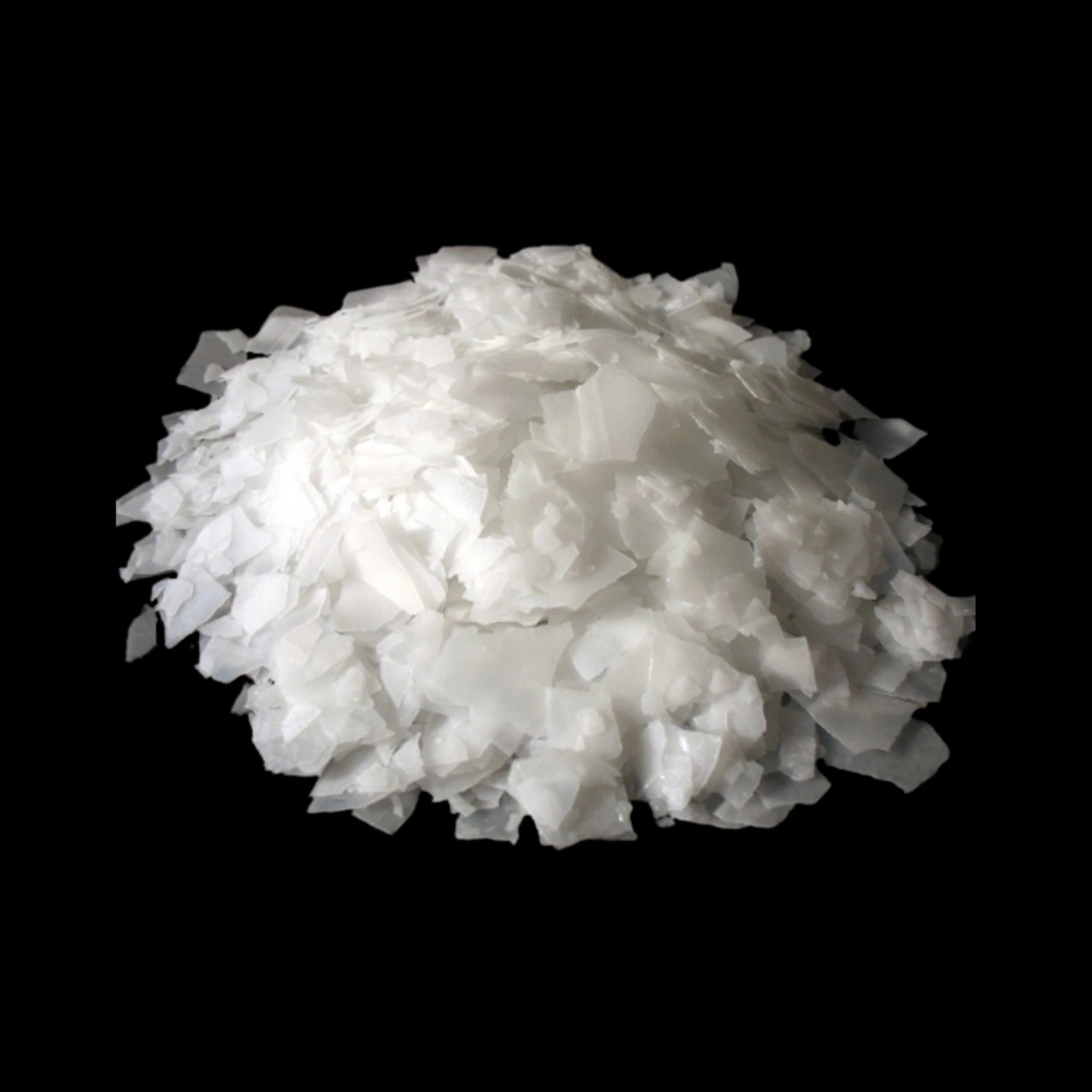
Caustic Soda Flakes
Found this useful?