India's Chemical Investment Zones Support Growing Domestic Crop Protection Manufacturing
Introduction
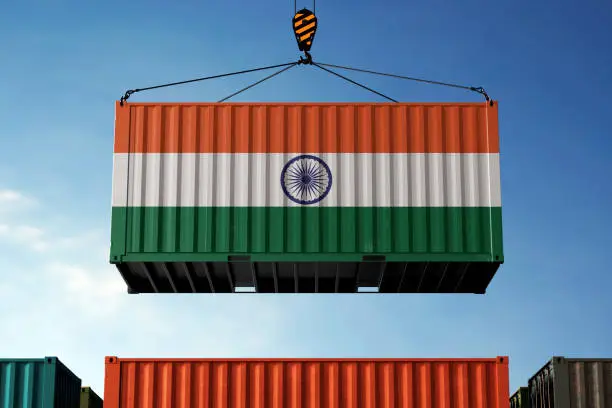
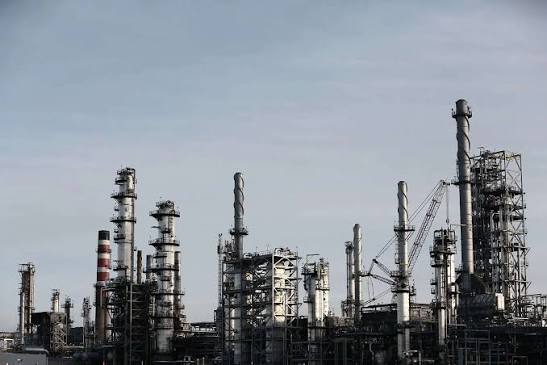
India is strengthening its domestic chemical manufacturing base through investment zones, dedicated chemical parks, and cluster-based industrial infrastructure. These initiatives are creating a broader ecosystem that can support downstream industries such as agrochemicals and crop-protection products.
The direction is particularly significant as India seeks to reduce import dependence, strengthen domestic supply chains, and increase its role in global chemical manufacturing. The Union Budget 2026–27 proposed support for three dedicated Chemical Parks through a cluster-based plug-and-play model specifically to enhance domestic chemical production and reduce import dependency.
For crop-protection manufacturers, the development of integrated chemical zones could improve access to raw materials, utilities, logistics, waste-management infrastructure, and supporting chemical suppliers.
Chemical Parks Create a New Investment Framework
The government's new Chemical Parks initiative is designed around a cluster-based plug-and-play model.
Rather than requiring every manufacturer to independently develop all supporting infrastructure, chemical parks can concentrate common facilities and industrial services within designated locations.
The 2026–27 budget provides ₹600 crore for the Chemical Parks initiative, with the broader objective of increasing domestic chemical production and reducing reliance on imports.
A cluster-based approach can make industrial investment more attractive by reducing some of the infrastructure and coordination challenges associated with establishing standalone chemical plants.
PCPIRs Already Provide an Established Foundation
India's Chemical Parks initiative builds on an existing cluster-based manufacturing model through Petroleum, Chemicals and Petrochemicals Investment Regions (PCPIRs).
The country's major PCPIR locations include Dahej in Gujarat, Visakhapatnam–Kakinada in Andhra Pradesh, and Paradeep in Odisha. These regions bring together large-scale chemical and petrochemical production with supporting infrastructure and downstream industries.
The broader chemical sector already includes agrochemicals as an important manufacturing segment, with India recognized as a major global producer and exporter of agricultural chemicals.
Why Crop Protection Manufacturing Can Benefit
Crop-protection products depend on complex supply chains involving active ingredients, intermediates, solvents, additives, formulation materials, packaging, and other chemical inputs.
When these activities are concentrated within industrial clusters, manufacturers can potentially gain better access to upstream suppliers and shared infrastructure.
This can support:
Production of crop-protection intermediates
Technical-grade pesticide manufacturing
Formulation facilities
Specialty chemical production
Packaging and logistics services
Waste treatment and environmental services
Chemical testing and analytical facilities
The resulting ecosystem can make it easier for companies to expand production or establish new manufacturing operations.
Import dependence remains an important consideration for India's chemical and agrochemical industries.
Manufacturers may source certain active ingredients and intermediates internationally because of cost advantages, established production capacity, or technology availability. However, disruptions to international shipping, geopolitical tensions, trade restrictions, or supply constraints can create risks for downstream manufacturers.
Expanding domestic chemical infrastructure provides companies with additional opportunities to source inputs locally.
The government's stated objective of reducing import dependency through the new Chemical Parks program reinforces this strategic direction.
Shared Infrastructure Can Improve Manufacturing Economics
One of the strongest advantages of chemical investment zones is the availability of common infrastructure.
For crop-protection manufacturers, this can potentially improve access to:
Reliable utilities
Industrial water systems
Waste-treatment facilities
Storage infrastructure
Transportation networks
Testing laboratories
Environmental-management systems
Skilled technical services
Developing these facilities at a cluster level can reduce the need for every company to independently build the same infrastructure.
For smaller and mid-sized manufacturers, this could be particularly important when evaluating the cost of expanding domestic production.
Logistics and Port Connectivity Add Strategic Value
Several of India's established chemical clusters are located near major ports or industrial corridors.
This can provide advantages for companies that still depend on imported raw materials while simultaneously exporting finished agrochemical products.
A manufacturer located within a well-connected chemical cluster can potentially manage both inbound and outbound logistics more efficiently, creating a hybrid supply-chain model in which domestic and international sourcing complement each other.
This is particularly relevant for Indian agrochemical manufacturers that serve both the domestic agricultural market and overseas customers.
Opportunities for Backward Integration
Chemical investment zones could also encourage greater backward integration across India's crop-protection industry.
Instead of relying exclusively on imported intermediates, manufacturers may have opportunities to develop local supply relationships with companies producing chemical building blocks and other inputs.
This can create a layered industrial ecosystem:
Basic chemicals → intermediates → active ingredients → formulations → crop-protection products
Greater integration across these stages could improve supply-chain visibility and create additional opportunities for domestic chemical producers.
Investment Could Extend Beyond Large Manufacturers
The benefits of chemical clusters are not necessarily limited to major multinational or large domestic chemical companies.
A mature industrial ecosystem can attract:
Specialty chemical producers
Intermediate manufacturers
Formulation companies
Contract manufacturers
Packaging suppliers
Logistics providers
Testing laboratories
Environmental-service companies
Engineering and maintenance providers
This creates opportunities for smaller businesses to participate in the wider chemical value chain without having to independently establish every supporting capability.
Environmental Infrastructure Will Become Increasingly Important
Chemical manufacturing expansion also brings greater environmental and regulatory responsibilities.
Crop-protection production can involve hazardous chemicals, process emissions, wastewater, and industrial waste streams. As production capacity increases, manufacturers will need reliable systems for waste treatment, emissions management, water management, and workplace safety.
Cluster-based development can help address some of these requirements through shared environmental infrastructure.
This could become increasingly important as regulators and customers place greater emphasis on sustainable and responsible chemical manufacturing.
India Could Strengthen Its Global Crop-Protection Position
India already has an established position in the global agrochemical supply chain, and stronger domestic chemical infrastructure could reinforce this role.
Improved access to intermediates, integrated manufacturing ecosystems, and better logistics could help Indian companies compete in international markets where supply reliability and cost efficiency are increasingly important.
The country's chemical exports already include agrochemicals alongside organic and inorganic chemicals, specialty chemicals, dyes, and other products.
New investment zones could therefore support both domestic substitution and export-oriented manufacturing.
Challenges Remain
The development of chemical parks does not automatically guarantee rapid growth in crop-protection manufacturing.
Several challenges will remain important, including:
Availability of competitive feedstocks
Environmental approvals
Infrastructure execution
Skilled workforce availability
Technology access
Financing requirements
Global chemical prices
International competition
Regulatory compliance
The success of the investment-zone model will ultimately depend on how quickly infrastructure is developed and whether it attracts commercially viable manufacturing projects.
Strategic Implications for Crop-Protection Companies
For agrochemical companies, India's expanding chemical infrastructure could influence future decisions around manufacturing location and sourcing.
Companies may increasingly evaluate:
Local availability of intermediates
Access to ports and logistics corridors
Availability of utilities
Environmental infrastructure
Supplier concentration
Manufacturing costs
Export connectivity
Government incentives
These factors can become important when deciding whether to establish new plants, expand existing facilities, or diversify sourcing.
Looking Ahead
India's chemical investment strategy is moving toward a more integrated manufacturing model. The new Chemical Parks initiative, alongside existing PCPIR infrastructure, indicates continued policy emphasis on domestic chemical production and supply-chain resilience.
For the crop-protection sector, the opportunity lies in connecting upstream chemical production with intermediate manufacturing, active-ingredient production, formulation, logistics, and agricultural markets.
If these investment zones attract sustained private-sector participation, they could help India build a deeper domestic chemical ecosystem while reducing selected vulnerabilities created by dependence on overseas inputs.
Conclusion
India's expanding network of chemical investment zones is creating a stronger foundation for domestic manufacturing, with potential benefits extending into the crop-protection and agrochemical industries.
The combination of dedicated Chemical Parks, existing PCPIRs, shared infrastructure, logistics connectivity, and government support could make domestic production more competitive and resilient.
For India's agrochemical sector, the long-term opportunity is not simply to manufacture more products domestically, but to develop a more integrated value chain—from chemical feedstocks and intermediates to active ingredients, formulations, and finished crop-protection products.
As investment continues, these chemical clusters could become an increasingly important component of India's strategy to strengthen domestic supply security and expand its position in global agrochemical markets.
:::