India’s Nissan Bharat Rasayan Gears Up for New Herbicide Manufacturing Role
Nissan Bharat Rasayan, a joint venture between Japan’s Nissan Chemical Industries and India’s R.G. Mitra & Co., has announced plans to launch a dedicated herbicide manufacturing unit. The new plant, slated for completion in late 2026, will harness advanced synthesis technologies to produce high‑efficiency herbicides for the Indian market and beyond.
Strategic Rationale
India’s agriculture sector is undergoing a rapid transformation, with farmers demanding more sustainable and effective crop protection solutions. By adding herbicides to its portfolio, Nissan Bharat Rasayan aims to:
Meet the growing domestic demand for weed‑control products.
Leverage synergies between existing pesticide and specialty chemical operations.
Secure a foothold in the global agrochemical supply chain, capitalizing on India’s export potential.
Technology and Innovation
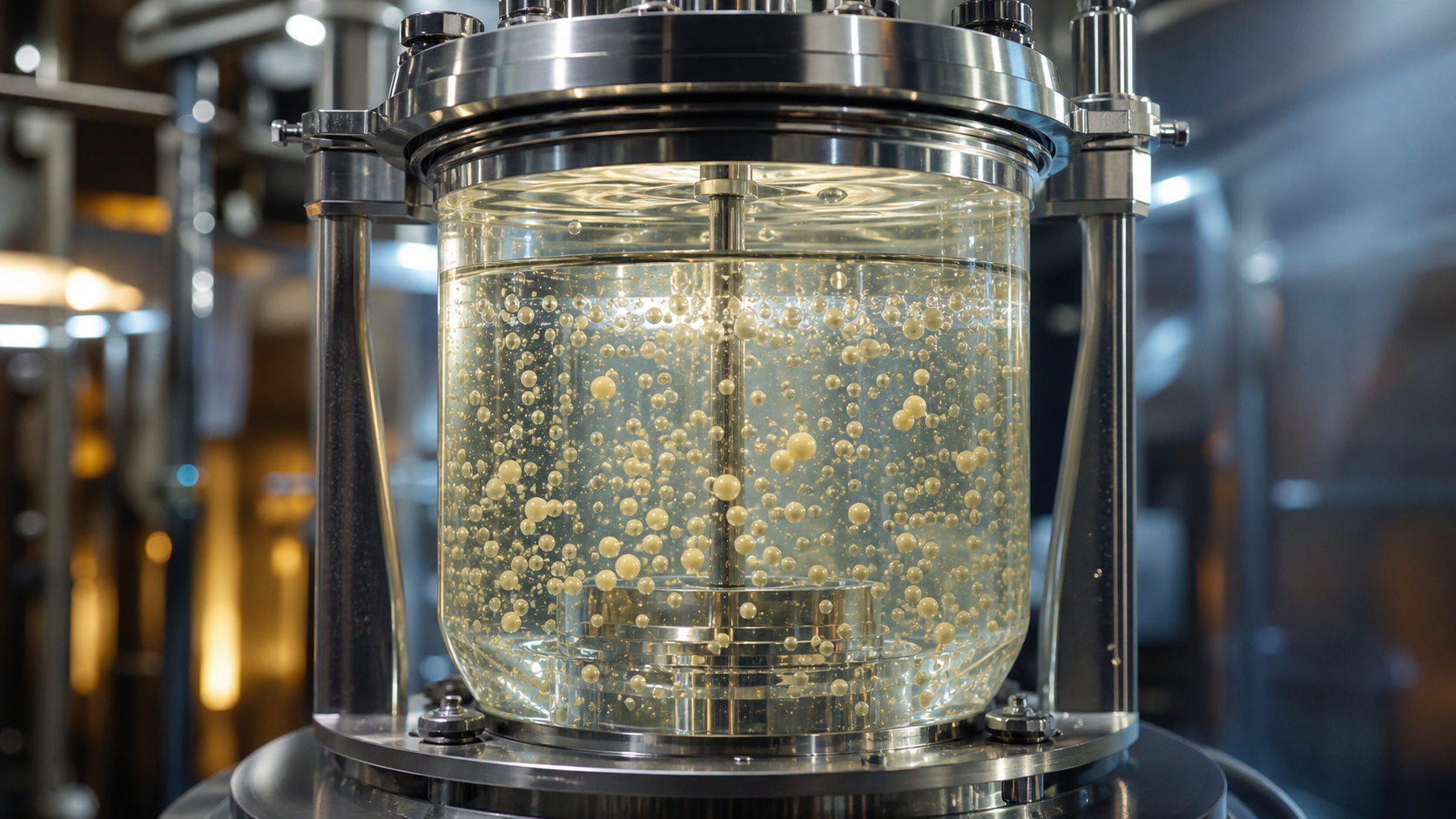
Theợ new facility will feature a modular production line built around a “clean‑room” synthesis module. This module allows for rapid scale‑up of active ingredients while maintaining stringent safety and environmental standards. In addition, the plant will incorporate:
Real‑time process monitoring using AI‑driven analytics.
Closed‑loop water recycling to reduce consumption by 40%.
Biodegradable solvent systems to minimize ecological footprint.
Research & Development Focus
Collaborations with Indian universities such as the Indian Institute of Chemical Technology will push the development of novel herbicide chemistries. The research agenda targets:
Formulations with lower phytotoxicity and higher selectivity.
Resistance‑management strategies to prolong product efficacy.
Biologically derived adjuvants to enhance_time‑on‑crop performance.
Market Implications
India’s agrochemical market is projected to grow at a 6% CAGR over the next decade. By entering the herbicide segment, Nissan Bharat Rasayan can capture a significant share of the 10 million metric tons of herbicides sold annually. The company’s diversified product mix will also provide resilience against regulatory shifts and commodity price volatility.
Competitive Landscape
Key competitors such as Bayer, Syngenta, and FMC have long dominated the herbicide space. However, the new plant’s focus on sustainable production and local sourcing gives Nissan Bharat Rasayan a competitive advantage. Moreover, the joint venture’s existing distribution network across India’s 700+ agro‑chemical retailers offers rapid market penetration.
Supply Chain and Sustainability

The expansion aligns with India’s national policy on green chemistry and the United Nations Sustainable Development Goals. Nissan Bharat Rasayan has pledged a 25% reduction in greenhouse gas emissions by 2030, facilitated by the plant’s energy‑efficient processes and renewable power integration.
Local Economic Impact
Beyond product innovations, the new facility is expected to create around 1,200 direct jobs and stimulate ancillary industries such as packaging, logistics, and quality testing. The venture will also support local small‑scale farmers through training programs on herbicide application and integrated pest management.
With the herbicide plant underway, Nissan Bharat Rasayan plans to roll out a portfolio of six flagship products within two years. The company also intends to explore export opportunities to Southeast Asia, the Middle East, and Africa, where demand for reliable weed control solutions is rising.
As India’s crop protection chemicals market evolves, Nissan Bharat Rasayan’s strategic move positions it as a pivotal player in shaping the future of agrochemicals, both domestically and אתר globally.
Calcium Hydroxide - China
Found this useful?