India's PCPIR Petrochemical Zones Anchor the Country's Downstream Manufacturing Growth
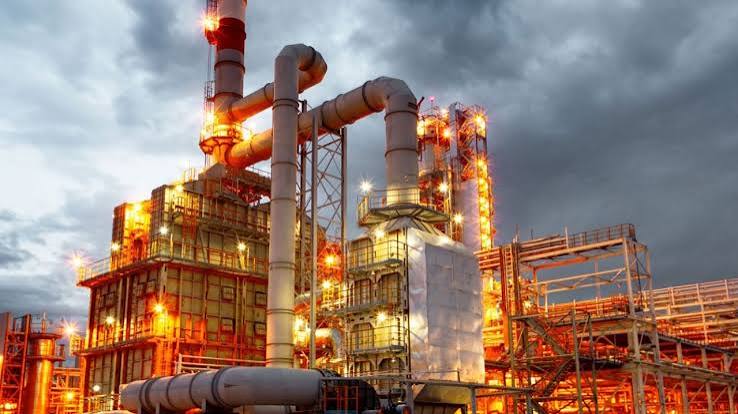
India's Petroleum, Chemicals and Petrochemicals Investment Regions (PCPIRs) are becoming important anchors for the country's downstream manufacturing expansion. With more than 2,246 manufacturing units established across the PCPIR zones, the program is helping connect large-scale chemical and petrochemical production with the industries that depend on these materials.
For chemical manufacturers, traders, importers and procurement teams, this growing industrial base signals a broader shift in India's chemical value chain—from producing basic feedstocks toward expanding downstream derivatives and higher-value products.
Why Downstream Manufacturing Matters
Petrochemical production creates the foundation for numerous downstream industries.
Basic petrochemical materials can be converted into:
Plastics
Polymers
Packaging materials
Synthetic fibers
Automotive components
Coatings
Adhesives
Consumer products
The more downstream capacity develops around major petrochemical hubs, the greater the potential for India to capture additional value within its domestic supply chain.
PCPIRs Create Integrated Manufacturing Clusters
The PCPIR model brings related industries together within large industrial zones.
This creates a connected structure:
Petrochemical feedstocks → Basic chemicals → Intermediates → Polymers → Finished products
Such integration can reduce transportation requirements and improve access to raw materials for downstream manufacturers.
It can also make new investment more attractive by providing companies with access to an established industrial ecosystem.
More Than 2,246 Manufacturing Units
The establishment of more than 2,246 manufacturing units across India's PCPIR zones demonstrates the scale of activity developing within these industrial regions.
The number is significant because it reflects more than individual chemical plants.
A growing manufacturing base can support:
Supplier networks
Processing companies
Logistics providers
Packaging manufacturers
Engineering services
Downstream converters
This creates a wider industrial ecosystem around petrochemical production.
Dahej Supports Western India's Manufacturing Network
The Dahej PCPIR in Gujarat is strategically positioned within one of India's most developed chemical manufacturing regions.
Its access to ports, petrochemical infrastructure and industrial customers creates opportunities for downstream producers to source materials closer to their manufacturing facilities.
This can be particularly valuable for polymer processing, plastics and specialty-chemical applications.
Visakhapatnam–Kakinada Expands Eastern Capacity
The Visakhapatnam–Kakinada PCPIR provides another major platform for petrochemical and downstream industrial development.
Its coastal location can support both domestic distribution and international trade.
As additional capacity develops, the region could strengthen eastern India's role in chemical manufacturing and downstream processing.
Paradip Adds Another Strategic Hub
Paradip's industrial development benefits from its coastal location and petroleum-related infrastructure.
The region provides opportunities to connect feedstock-intensive industries with downstream manufacturing and export markets.
Over time, this could help create a broader petrochemical value chain in eastern India.
From Feedstocks to Higher-Value Products
One of the biggest opportunities for India's chemical industry is moving further downstream.
Instead of exporting or consuming basic petrochemical products, manufacturers can convert them into higher-value products.
For example:
Petrochemicals → Polymer resins → Plastic components → Finished goods
Each additional processing stage can create more economic value and employment.
Polymers Are Central to the Downstream Opportunity
Polymer production is closely connected with India's manufacturing economy.
Materials such as polyethylene and polypropylene serve industries including:
Packaging
Automotive
Construction
Consumer goods
Textiles
Healthcare
As India's manufacturing base expands, demand for these materials can increase alongside downstream processing capacity.
Packaging Creates Significant Demand
India's growing consumer economy is supporting demand for packaging materials.
Petrochemical-based polymers are used extensively in:
Flexible packaging
Rigid packaging
Films
Containers
Industrial packaging
The development of integrated chemical zones can help packaging manufacturers access feedstocks more efficiently.
Automotive Manufacturing Adds Another Growth Channel
The automotive sector is another important downstream consumer.
Petrochemical-derived materials are used in:
Interior components
Exterior parts
Wiring systems
Adhesives
Coatings
Lightweight components
Growth in vehicle production can therefore create additional demand for petrochemical derivatives.
Infrastructure Can Improve Supply-Chain Efficiency
Large industrial clusters can provide downstream manufacturers with easier access to:
Ports
Road networks
Warehousing
Utilities
Chemical storage
This infrastructure can reduce logistical complexity and potentially improve delivery reliability.
For procurement teams, proximity to multiple producers can also create additional sourcing options.
The Model Can Support Import Substitution
Growing domestic downstream production could reduce India's dependence on imported derivatives in selected product categories.
If local producers can offer competitive:
Pricing
Quality
Capacity
Delivery
Technical support
manufacturers may increasingly shift procurement toward domestic suppliers.
However, imports will remain important for specialized products where domestic capacity is limited.
Exports Could Become the Next Growth Engine
The development of downstream manufacturing also creates export opportunities.
India can potentially move from exporting basic chemical products toward exporting:
Higher-value intermediates
Specialty materials
Polymer products
Finished chemical-based goods
This would increase the value captured within India's domestic manufacturing ecosystem.
What It Means for Chemical Traders
For chemical traders, expanding downstream production creates opportunities across the supply chain.
Traders can monitor:
New manufacturing units
Polymer capacity
New derivative plants
Import substitution opportunities
Export demand
Regional price differences
New industrial clusters can also create demand for imported chemicals that are not yet produced locally at sufficient scale.
Procurement Teams Gain More Supplier Options
A growing chemical manufacturing base can reduce supplier concentration.
Procurement teams may gain access to:
New domestic suppliers
Alternative producers
Regional sourcing options
Shorter supply routes
This can improve resilience, particularly when international supply chains face disruption.
Specialty Chemicals Could Benefit
The downstream opportunity is not limited to commodity products.
As manufacturing becomes more sophisticated, demand can grow for:
Specialty polymers
Coatings
Adhesives
Additives
Performance chemicals
Processing chemicals
These segments can provide higher margins and help India move further up the chemical value chain.
Investment Will Determine the Pace of Growth
The number of manufacturing units is an important indicator, but future growth will depend on continued investment.
Investors will need to watch:
New Capacity
Are companies continuing to build plants?
Utilization
Are existing facilities operating efficiently?
Downstream Integration
Are more companies moving into higher-value products?
Exports
Is India gaining international market share?
Infrastructure
Can industrial infrastructure keep pace with demand?
Challenges Remain
India's downstream chemical expansion also faces challenges.
These include:
Feedstock costs
Infrastructure bottlenecks
Environmental regulations
Logistics expenses
Competition from China
Technology requirements
Skilled labor needs
Addressing these challenges will be critical to maintaining long-term competitiveness.
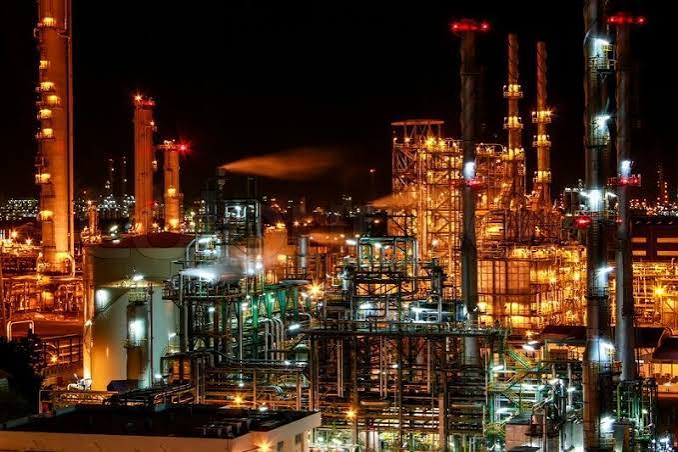
India's Petroleum, Chemicals and Petrochemicals Investment Regions (PCPIRs) are becoming important anchors for the country's downstream manufacturing expansion. With more than 2,246 manufacturing units established across the PCPIR zones, the program is helping connect large-scale chemical and petrochemical production with the industries that depend on these materials.
For chemical manufacturers, traders, importers and procurement teams, this growing industrial base signals a broader shift in India's chemical value chain—from producing basic feedstocks toward expanding downstream derivatives and higher-value products.
Why Downstream Manufacturing Matters
Petrochemical production creates the foundation for numerous downstream industries.
Basic petrochemical materials can be converted into:
Plastics
Polymers
Packaging materials
Synthetic fibers
Automotive components
Coatings
Adhesives
Consumer products
The more downstream capacity develops around major petrochemical hubs, the greater the potential for India to capture additional value within its domestic supply chain.
PCPIRs Create Integrated Manufacturing Clusters
The PCPIR model brings related industries together within large industrial zones.
This creates a connected structure:
Petrochemical feedstocks → Basic chemicals → Intermediates → Polymers → Finished products
Such integration can reduce transportation requirements and improve access to raw materials for downstream manufacturers.
It can also make new investment more attractive by providing companies with access to an established industrial ecosystem.
More Than 2,246 Manufacturing Units
The establishment of more than 2,246 manufacturing units across India's PCPIR zones demonstrates the scale of activity developing within these industrial regions.
The number is significant because it reflects more than individual chemical plants.
A growing manufacturing base can support:
Supplier networks
Processing companies
Logistics providers
Packaging manufacturers
Engineering services
Downstream converters
This creates a wider industrial ecosystem around petrochemical production.
Dahej Supports Western India's Manufacturing Network
The Dahej PCPIR in Gujarat is strategically positioned within one of India's most developed chemical manufacturing regions.
Its access to ports, petrochemical infrastructure and industrial customers creates opportunities for downstream producers to source materials closer to their manufacturing facilities.
This can be particularly valuable for polymer processing, plastics and specialty-chemical applications.
Visakhapatnam–Kakinada Expands Eastern Capacity
The Visakhapatnam–Kakinada PCPIR provides another major platform for petrochemical and downstream industrial development.
Its coastal location can support both domestic distribution and international trade.
As additional capacity develops, the region could strengthen eastern India's role in chemical manufacturing and downstream processing.
Paradip Adds Another Strategic Hub
Paradip's industrial development benefits from its coastal location and petroleum-related infrastructure.
The region provides opportunities to connect feedstock-intensive industries with downstream manufacturing and export markets.
Over time, this could help create a broader petrochemical value chain in eastern India.
From Feedstocks to Higher-Value Products
One of the biggest opportunities for India's chemical industry is moving further downstream.
Instead of exporting or consuming basic petrochemical products, manufacturers can convert them into higher-value products.
For example:
Petrochemicals → Polymer resins → Plastic components → Finished goods
Each additional processing stage can create more economic value and employment.
Polymers Are Central to the Downstream Opportunity
Polymer production is closely connected with India's manufacturing economy.
Materials such as polyethylene and polypropylene serve industries including:
Packaging
Automotive
Construction
Consumer goods
Textiles
Healthcare
As India's manufacturing base expands, demand for these materials can increase alongside downstream processing capacity.
Packaging Creates Significant Demand
India's growing consumer economy is supporting demand for packaging materials.
Petrochemical-based polymers are used extensively in:
Flexible packaging
Rigid packaging
Films
Containers
Industrial packaging
The development of integrated chemical zones can help packaging manufacturers access feedstocks more efficiently.
Automotive Manufacturing Adds Another Growth Channel
The automotive sector is another important downstream consumer.
Petrochemical-derived materials are used in:
Interior components
Exterior parts
Wiring systems
Adhesives
Coatings
Lightweight components
Growth in vehicle production can therefore create additional demand for petrochemical derivatives.
Infrastructure Can Improve Supply-Chain Efficiency
Large industrial clusters can provide downstream manufacturers with easier access to:
Ports
Road networks
Warehousing
Utilities
Chemical storage
This infrastructure can reduce logistical complexity and potentially improve delivery reliability.
For procurement teams, proximity to multiple producers can also create additional sourcing options.
The Model Can Support Import Substitution
Growing domestic downstream production could reduce India's dependence on imported derivatives in selected product categories.
If local producers can offer competitive:
Pricing
Quality
Capacity
Delivery
Technical support
manufacturers may increasingly shift procurement toward domestic suppliers.
However, imports will remain important for specialized products where domestic capacity is limited.
Exports Could Become the Next Growth Engine
The development of downstream manufacturing also creates export opportunities.
India can potentially move from exporting basic chemical products toward exporting:
Higher-value intermediates
Specialty materials
Polymer products
Finished chemical-based goods
This would increase the value captured within India's domestic manufacturing ecosystem.
What It Means for Chemical Traders
For chemical traders, expanding downstream production creates opportunities across the supply chain.
Traders can monitor:
New manufacturing units
Polymer capacity
New derivative plants
Import substitution opportunities
Export demand
Regional price differences
New industrial clusters can also create demand for imported chemicals that are not yet produced locally at sufficient scale.
Procurement Teams Gain More Supplier Options
A growing chemical manufacturing base can reduce supplier concentration.
Procurement teams may gain access to:
New domestic suppliers
Alternative producers
Regional sourcing options
Shorter supply routes
This can improve resilience, particularly when international supply chains face disruption.
Specialty Chemicals Could Benefit
The downstream opportunity is not limited to commodity products.
As manufacturing becomes more sophisticated, demand can grow for:
Specialty polymers
Coatings
Adhesives
Additives
Performance chemicals
Processing chemicals
These segments can provide higher margins and help India move further up the chemical value chain.
Investment Will Determine the Pace of Growth
The number of manufacturing units is an important indicator, but future growth will depend on continued investment.
Investors will need to watch:
New Capacity
Are companies continuing to build plants?
Utilization
Are existing facilities operating efficiently?
Downstream Integration
Are more companies moving into higher-value products?
Exports
Is India gaining international market share?
Infrastructure
Can industrial infrastructure keep pace with demand?
Challenges Remain
India's downstream chemical expansion also faces challenges.
These include:
Feedstock costs
Infrastructure bottlenecks
Environmental regulations
Logistics expenses
Competition from China
Technology requirements
Skilled labor needs
Addressing these challenges will be critical to maintaining long-term competitiveness.
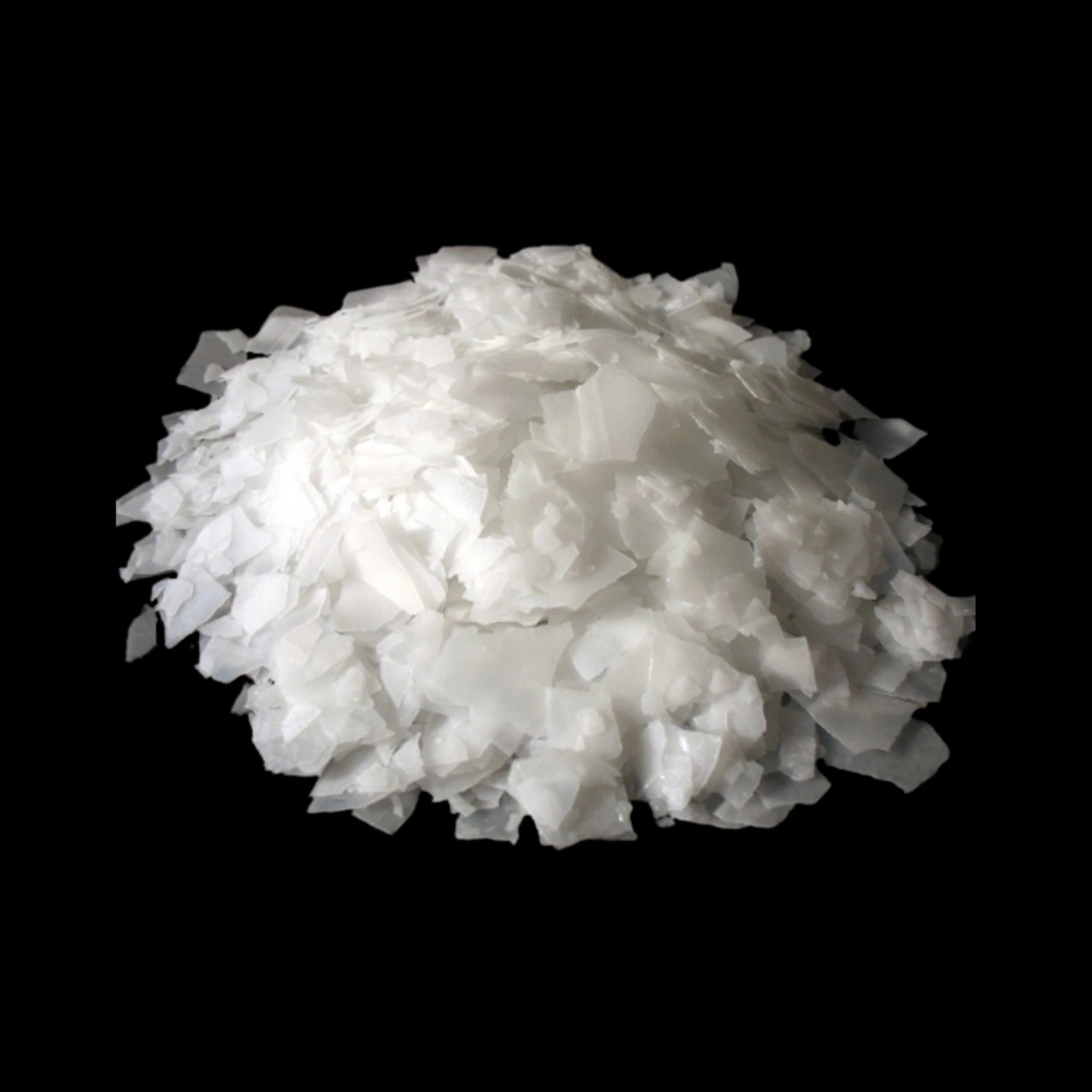
Caustic Soda Flakes
Found this useful?