India's import PVC market weakened further this week as buyers held off on fresh purchases. The hesitation is not about weak underlying demand for the material itself. It comes down to tariff uncertainty, with buyers unwilling to commit to import volumes until they have clearer visibility on where duty policy is headed. This kind of wait-and-see behavior can freeze a market almost as effectively as an actual price shock. For overseas PVC suppliers and Indian converters caught in the middle, understanding why buyers are staying sidelined, and what might unlock activity again, matters for planning the months ahead.
Why Indian Buyers Are Holding Back
The current pause in buying activity traces back to a specific set of pressures rather than a general demand slowdown.
Tariff policy uncertainty has made buyers reluctant to lock in import pricing that could look uncompetitive if duty structures shift again soon.
Domestic PVC producers have been lobbying for stronger import protection, and buyers are watching closely for signs of new measures.
Rupee volatility has added another layer of unpredictability to landed cost calculations for import cargoes.
Buyers with adequate existing inventory see little urgency to commit to new cargoes while conditions remain unsettled.
This combination has left many converters running down stock rather than replenishing at current import terms.
How This Is Playing Out in the Market
Weak buying interest has put clear downward pressure on offer levels from overseas suppliers trying to attract Indian demand. Sellers from several origins have adjusted pricing lower in an attempt to draw buyers back into the market.
So far, lower offers have not translated into a meaningful pickup in bookings. Buyers appear more focused on regulatory clarity than on chasing marginally better pricing, which suggests the hesitation runs deeper than price alone.
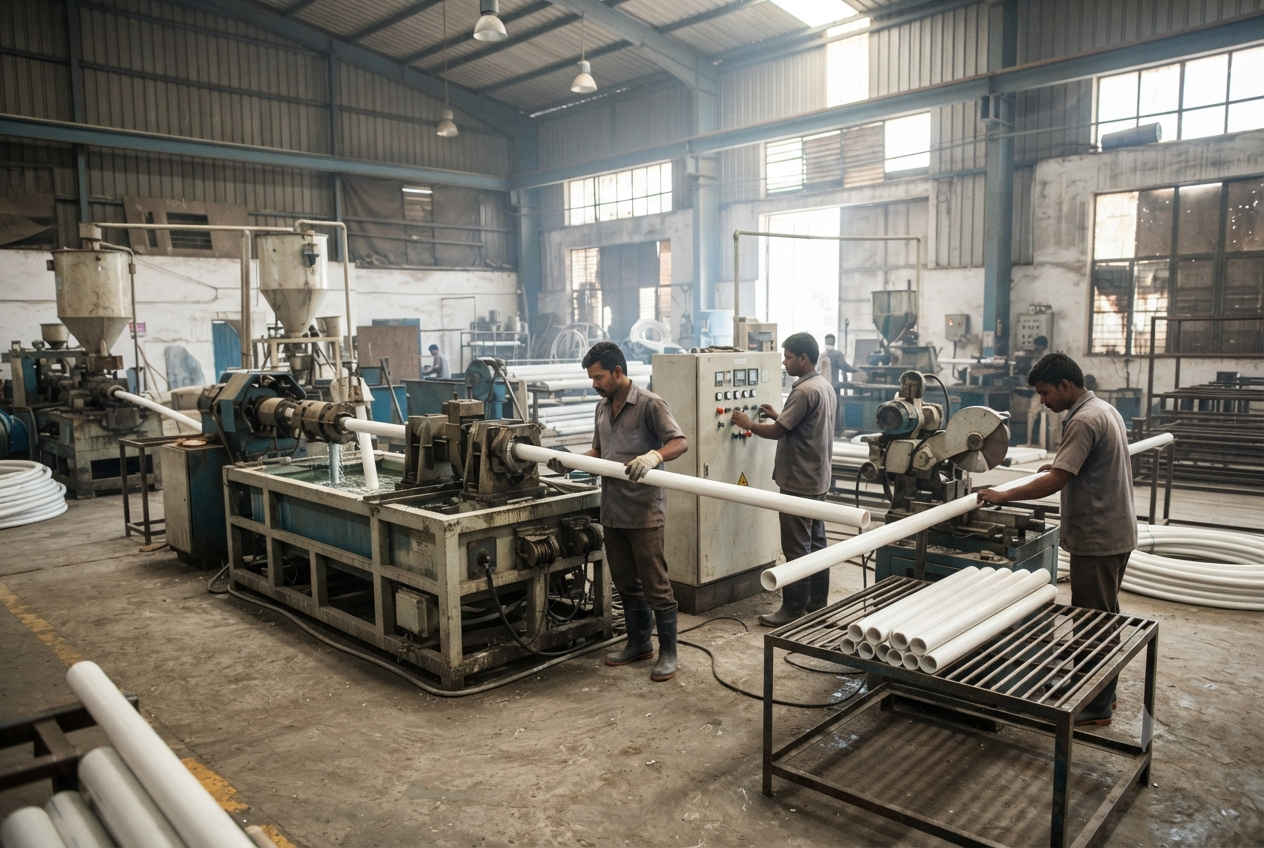
Suspension grade PVC, the primary form used across pipe, cable and packaging applications in India, has seen the most visible softness in transaction volumes.
Who Is Affected Across the Supply Chain
The slowdown in import activity ripples through several layers of the PVC trade, not just the immediate buyers and sellers.
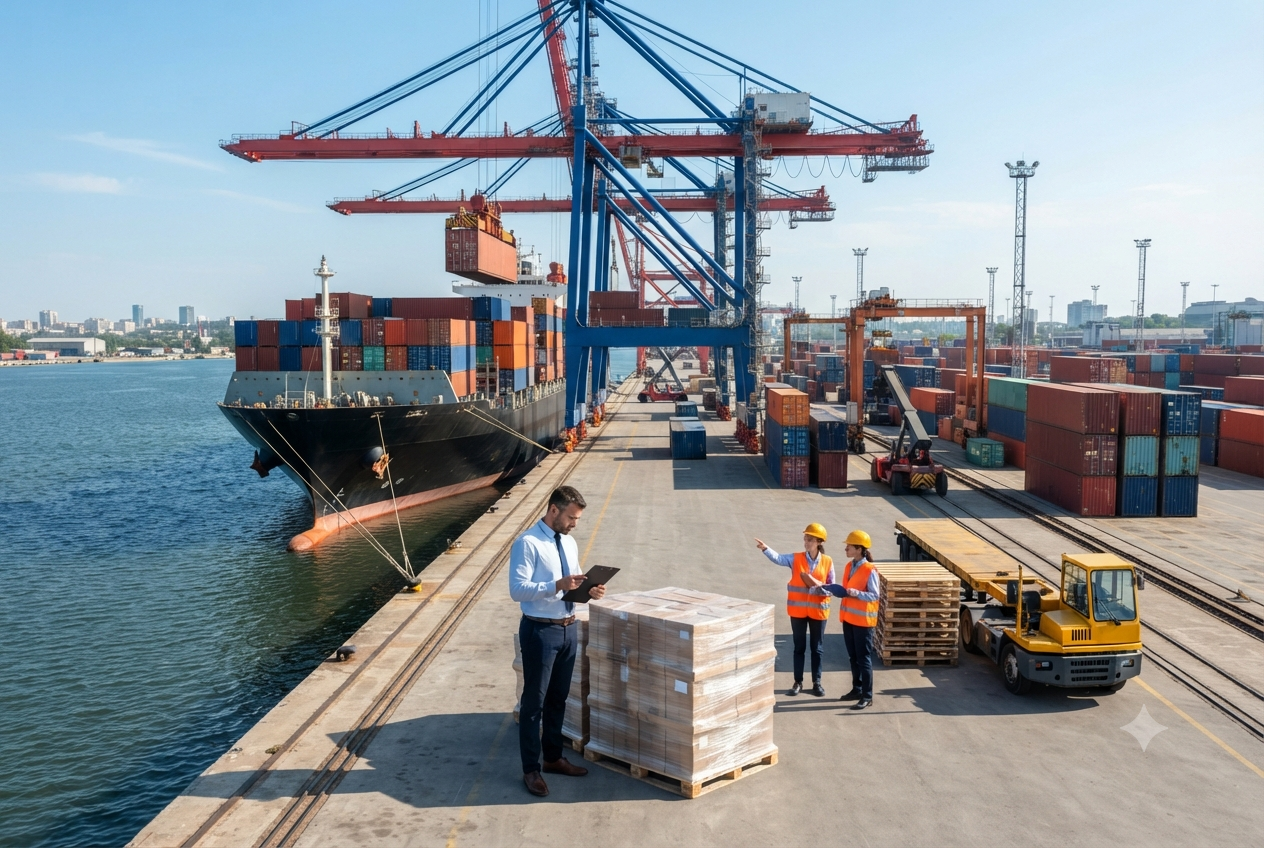
Overseas exporters into India face the most direct impact, since reduced booking volumes hit their regional sales targets. Indian converters relying on imported material for specific grades not readily available domestically face their own supply planning challenges if the pause extends much longer. Freight forwarders and traders who specialize in the India PVC import corridor are also seeing reduced volume moving through their pipelines.
What Could Break the Standoff
A market like this typically stays frozen until one clear signal emerges. A few scenarios could shift buyer behavior meaningfully.
A formal announcement on tariff direction, whether an increase, extension or removal, would give buyers the clarity needed to resume normal purchasing.
A sustained drop in overseas offer prices large enough to outweigh the risk of unfavorable policy timing could pull buyers back in.
A domestic supply shortfall or unexpected demand spike could force converters to import regardless of policy uncertainty.
Broader currency stabilization would remove one variable from an already complicated cost calculation.
Until one of these develops, the market is likely to stay cautious rather than active.
Regional Comparison and Competing Supply
Overseas suppliers watching India's pause closely are not simply waiting idly. Many are redirecting volume toward other Asian markets showing steadier demand.
This kind of redirection has knock-on effects. If Indian demand does return suddenly once tariff clarity arrives, buyers may find less readily available volume from suppliers who have since committed cargoes elsewhere. That risk cuts both ways for exporters and importers trying to time their next move.
What Buyers Should Do Now
Sitting entirely on the sidelines carries its own risk, even when the reasons for caution are legitimate.
Stay in close contact with customs and trade policy updates rather than relying on secondhand market chatter for tariff signals.
Maintain relationships with multiple overseas suppliers so booking capacity remains available once the market reopens.
Consider smaller, staggered purchase volumes rather than an all-or-nothing approach, to reduce exposure to sudden policy shifts.
Monitor domestic producer inventory levels as an early indicator of when import demand might pick back up.
Buyers who stay engaged with the market during this pause, even cautiously, will be better positioned than those who disengage entirely and scramble once tariff clarity finally arrives.
Ready to source PVC Resin from verified global suppliers? Explore competitive offers on our platform today.