India's Rupee Depreciation: What It Means for Global Chemical Trade | ChemicalsBlog.com
Country Watch
schedule3 Min Read
India's Rupee Depreciation Story Continues to Reshape Chemical Trade Economics
terminal
prodchem
Jul 22, 2026
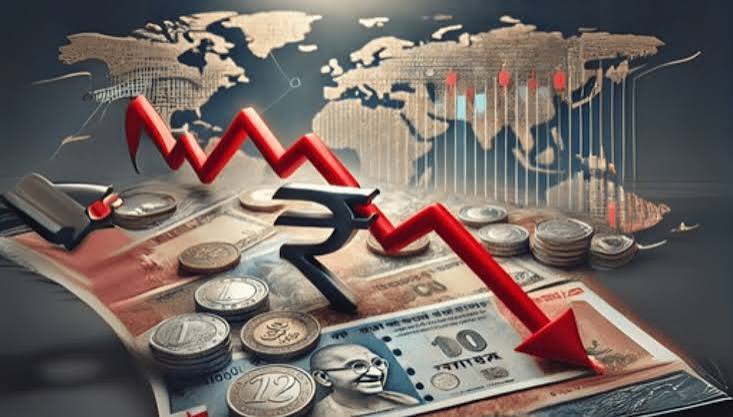
India's 14% rupee depreciation continues to reshape the economics of the country's chemical industry, according to insights shared by Deccan Fine Chemicals' Executive Director. A weaker rupee has increased the cost of imported raw materials, feedstocks, and capital equipment while making Indian chemical exports more price-competitive in international markets.
For chemical manufacturers, exporters, and procurement professionals, currency movements are becoming an increasingly important factor in sourcing decisions. While exporters may benefit from stronger overseas competitiveness, manufacturers dependent on imported intermediates face rising production costs. This changing cost structure is influencing pricing strategies, procurement planning, and long-term supply chain decisions across India's chemical sector.
Why the Rupee Matters for Chemical Trade
India is one of the world's largest producers and exporters of specialty chemicals, pharmaceuticals, agrochemicals, and industrial chemicals.
A weaker rupee affects:
Imported chemical feedstocks
Petrochemical raw materials
Manufacturing costs
Export competitiveness
Contract pricing
Procurement budgets
Currency fluctuations influence both domestic production economics and international trade opportunities.
India's chemical industry depends on imported and locally manufactured products such as Acetic Acid, Mono Ethylene Glycol (MEG), Caustic Soda, Methanol, Isopropyl Alcohol (IPA), and Propylene Glycol (PG). Currency depreciation can influence import costs, export pricing, and procurement decisions for these widely used industrial and specialty chemicals.
The continued depreciation of the rupee may result in:
Higher costs for imported raw materials
Improved export competitiveness for Indian manufacturers
Increased price volatility across chemical markets
Greater focus on domestic sourcing
Changes in procurement strategies
Pressure on manufacturers dependent on imported feedstocks
Companies with balanced sourcing strategies may be better positioned to manage currency-related risks.
Procurement Considerations
Procurement professionals should strengthen purchasing strategies through:
Supplier diversification
Multi-country sourcing
Currency risk monitoring
Long-term procurement contracts
Strategic inventory planning
Regular supplier cost reviews
Monitoring exchange rate movements alongside commodity prices can improve procurement planning and reduce unexpected cost increases.
Looking Ahead
Exchange rate volatility is expected to remain an important factor influencing India's chemical industry. While exporters may continue benefiting from improved international competitiveness, companies relying heavily on imported raw materials will need to carefully manage procurement costs and currency exposure.
For global buyers, India's position as a competitive manufacturing hub remains attractive, but procurement decisions should increasingly account for foreign exchange trends alongside traditional supply chain and pricing considerations.
Key Takeaways
A weaker rupee is increasing imported raw material costs for Indian manufacturers.
Indian chemical exports may become more competitive globally.
Currency movements are influencing procurement and pricing decisions.
Buyers should monitor exchange rates alongside commodity markets.
Diversified sourcing strategies help reduce currency-related risks.
Supply chainglobal tradespecialty chemicalsPetrochemicalschemical tradingGlobal Chemical TradeGlobalTradePharmaceutical ChemicalsIndia Chemical Marketmanufacturing raw materialindia importAgrochemicalsIndia Petrochemicalscountry watchIndia Fertilizer MarketIndia AgrochemicalsIndia PharmaceuticalsIndia Chemical IndustryRupee DepreciationTradeChemIndia Refining IndustryRupeeCurrency Depreciation