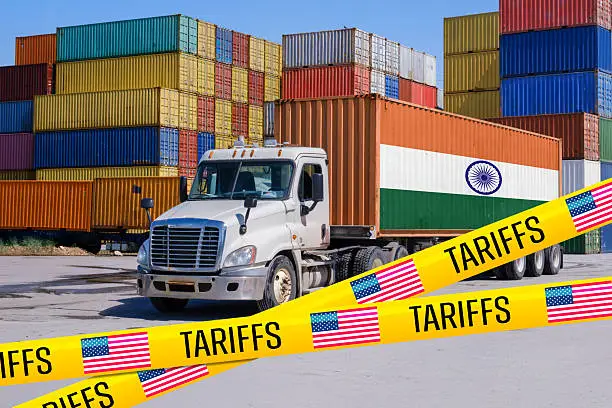
India's Tariff Deadline Uncertainty Ripples Into Northeast Asian Export Strategy

India's Tariff Deadline Uncertainty Ripples Into Northeast Asian Export Strategy
Introduction
Uncertainty surrounding India's upcoming tariff decisions is creating fresh challenges for exporters across Northeast Asia. As one of the world's fastest-growing manufacturing and consumer markets, India plays a critical role in regional trade for chemicals, petrochemicals, electronics, automotive components, and industrial raw materials. Any delay or change in tariff policy can influence sourcing decisions, pricing strategies, and long-term investment plans.
For exporters in South Korea, Japan, and Taiwan, India's evolving trade policies require greater flexibility and closer monitoring of procurement trends. While the final direction of tariff adjustments remains uncertain, businesses are already preparing for multiple scenarios to protect market access and maintain competitiveness.
Why India's Tariff Decisions Matter
India has become one of the largest importers of industrial goods and chemical products in Asia. Changes in tariff structures can significantly affect exporters by altering product costs and market competitiveness.
Key reasons why India's tariff policy is closely watched include:
Strong demand for industrial chemicals and raw materials.
Rapid expansion of domestic manufacturing.
Increasing investment in infrastructure and industrial development.
Growing importance in global supply chains.
Large consumer and industrial market potential.
Because of India's strategic position, tariff decisions often influence procurement strategies across the entire Asia-Pacific region.
Impact on Northeast Asian Exporters
South Korea, Japan, and Taiwan maintain strong trade relationships with India across several industrial sectors. Continued tariff uncertainty may affect exporters in multiple ways.
Potential impacts include:
Delayed purchasing decisions by Indian buyers.
Pricing uncertainty for long-term contracts.
Reduced competitiveness if tariffs increase.
Greater demand for local manufacturing partnerships.
Changes in regional supply chain planning.
Exporters may also need to reassess pricing models and inventory strategies until greater policy clarity emerges.
Industries Most Likely to Be Affected
Several export-oriented industries could experience the greatest impact from tariff uncertainty.
Chemicals and Petrochemicals
Commodity chemicals, specialty chemicals, polymers, and industrial feedstocks represent a significant portion of regional exports to India.
Electronics
Semiconductor materials, electronic components, and precision manufacturing products may experience shifts in procurement depending on tariff outcomes.
Automotive Components
Vehicle manufacturers and component suppliers could face changing import costs, influencing production planning and supplier selection.
Industrial Machinery
Capital equipment and manufacturing machinery remain important exports to India's expanding industrial sector.
Advanced Materials
High-performance polymers, engineering plastics, and specialty materials may also be affected by changes in import duties.
How Procurement Teams Should Respond
Businesses can reduce uncertainty by adopting flexible procurement strategies while monitoring policy developments.
Recommended actions include:
Diversify Supplier Networks
Expand sourcing across multiple countries to reduce dependence on any single market or trade policy.
Monitor Trade Developments
Stay informed about tariff announcements, trade negotiations, and regulatory changes that may affect sourcing decisions.
Review Total Landed Cost
Evaluate freight, duties, insurance, logistics, and inventory costs rather than focusing solely on supplier pricing.
Strengthen Contract Flexibility
Include pricing review mechanisms and contingency clauses in supplier agreements to manage tariff-related cost changes.
Increase Supply Chain Visibility
Use real-time market intelligence and digital procurement tools to monitor supplier performance and changing market conditions.
Opportunities Despite the Uncertainty
Although tariff uncertainty creates short-term challenges, it also presents opportunities for businesses that plan strategically.
Companies may benefit by:
Establishing local partnerships in India.
Exploring regional manufacturing investments.
Expanding supplier diversification programs.
Negotiating long-term agreements before policy changes.
Improving supply chain resilience through multi-country sourcing.
Organizations that remain proactive can strengthen their competitive position regardless of future tariff decisions.
Long-Term Outlook
India is expected to remain one of the world's most important manufacturing and consumption markets. While short-term tariff uncertainty may temporarily influence trade flows, the country's long-term industrial growth continues to attract global exporters and investors.
For Northeast Asian manufacturers, maintaining strong customer relationships, flexible supply chains, and diversified sourcing strategies will be essential for adapting to evolving trade policies. Businesses that respond quickly to regulatory changes will be better positioned to capture future market opportunities.
Conclusion
India's tariff deadline uncertainty is creating important strategic considerations for exporters across Northeast Asia. While policy outcomes remain uncertain, businesses cannot afford to wait for complete clarity before taking action.
By strengthening supplier diversification, monitoring trade developments, and adopting flexible procurement strategies, manufacturers and exporters can reduce risk while maintaining access to one of the world's fastest-growing industrial markets. In an increasingly dynamic global trade environment, agility and informed decision-making will remain key competitive advantages.

Aluminium Sulfate
Found this useful?