Indonesia Nickel Refining Faces Sulfuric Acid Supply Tightening as Gulf Logistics Reopen
Indonesia’s Nickel Boom and the Sulfuric Acid Imperative
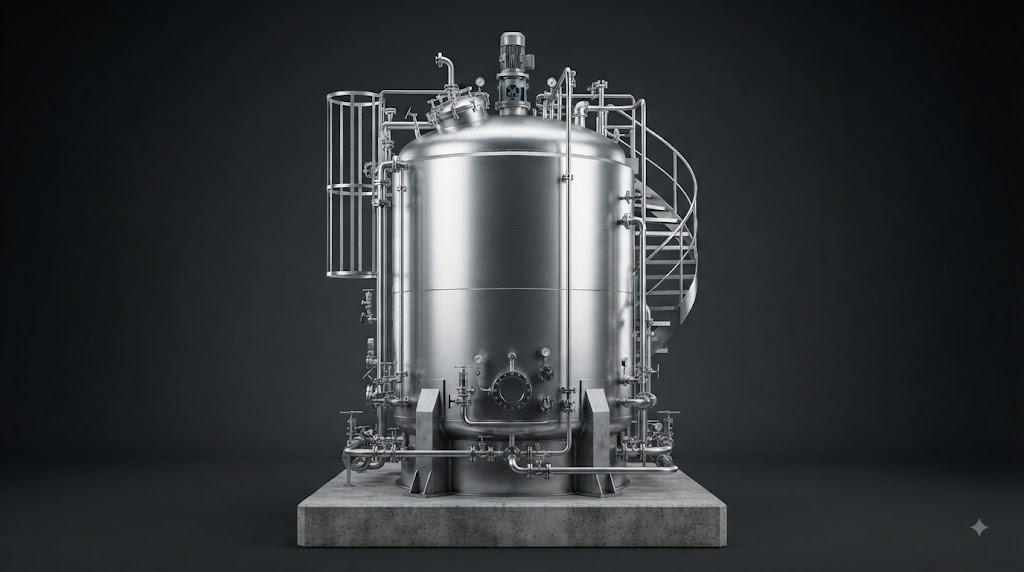
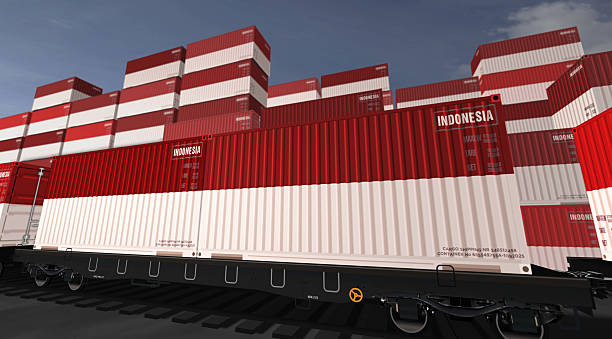
Indonesia has become the world’s largest nickel producer, with the country accounting for roughly 40% of global output. The rapid expansion of high‑pressure acid leach (HPAL) plants – the dominant technology for extracting battery‑grade nickel – has significantly increased the demand for sulfuric acid. Each HPAL unit consumes between 30,000 and 50,000 tons of sulfuric acid annually, a figure that dwarfs consumption in other industrial sectors.
Because sulfuric acid is the linchpin of the acid‑leach process, any interruption in supply can halt production lines, delay cobalt‑enriched nickel recovery, and erode refinery margins. Consequently, Indonesia’s refineries have become acutely sensitive to the global sulfur market, especially to the Gulf’s dominant supply chain.
The Hormuz Crisis and its Aftermath
When the Strait of Hormuz shut down for a brief period in early 2023, Gulf sulfur exporters were forced to divert shipments to alternative routes. Indonesian refiners, reliant on Gulf-origin sulfur, had to source the chemical from North America and Australia – markets that typically offer lower volumes and higher prices.
During that disruption, premiums rose sharply, with some contracts paying up to 25% more than the pre‑crisis benchmark. Even after the crisis ended, the market remained fragmented: cargoes were scattered across different ports, and logistics schedules were uncertain.
Impact on Refining Margins
Higher sulfuric acid costs translated directly into higher operating expenses for HPAL plants. Since the sulfuric acid cost can represent 15% to 20% of the total processing cost, a 10% price spike can squeeze margins by 1–2 percentage points – a significant hit in an industry where profit margins are already razor‑thin.
Recovery of Gulf Supply Chains
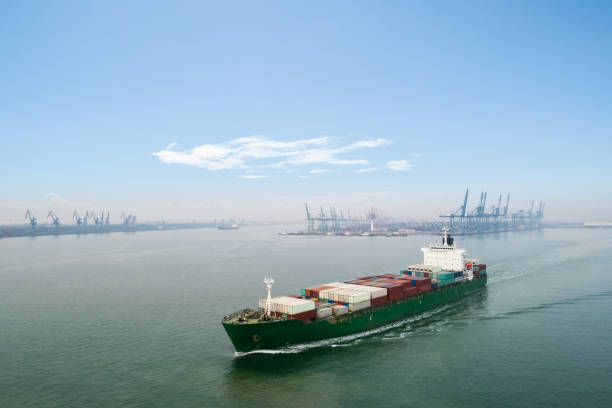
Over the past year, Gulf exporters have gradually restored convoy‑enabled shipping lanes. Saudi Aramco and ADNOC have begun to resume regular shipments to Southeast Asia, leveraging new port facilities and upgraded logistics hubs.
However, the recovery is not yet complete. Convoy schedules are still subject to political and security assessments, and the average transit time from the Gulf to Indonesian ports remains longer than pre‑crisis figures.
Why Early Procurement Matters
Even with improving logistics, the market is still in a transition phase. Convoy premiums – the additional cost applied to shipments that require secure, escorted passage – are expected to climb again as volume normalizes. Refiners who lock in contracts now can avoid the next wave of price volatility.
Strategic Recommendations for Battery Metal Refiners
Engage Directly with Gulf Suppliers – Initiate conversations with Saudi Aramco and ADNOC to understand their future supply plans and obtain preferential pricing for early movers.
Secure Multi‑Quarter Agreements – Negotiate contracts that cover at least three to six months of supply. This reduces exposure to short‑term price swings and ensures a steady feedstock stream.
Diversify Supplier Base – While Gulf sulfur remains the most cost‑effective, maintaining a small contingency supply from North America or Australia can cushion against unforeseen disruptions.
Invest in Storage Capacity – Building or leasing additional sulfuric acid storage facilities in key Indonesian hubs will allow refiners to absorb excess supplies during convoy windows and mitigate price shocks.
Monitor Geopolitical Developments – Keep a close watch on any changes in Gulf‑to‑Southeast Asia shipping corridors, as new sanctions or security incidents could instantly alter logistics dynamics.
Financial Implications Through H2 2026
Analysts project that sulfuric acid prices for HPAL inputs will continue to fluctuate until mid‑2026. During this period, the cost of sulfuric acid could account for up to 18% of total refining expenditures for battery‑grade nickel producers. Refiners who act now to secure stable supply and lock in lower prices can preserve a margin advantage of 1–2% over competitors that defer procurement.
The intersection of Indonesia’s nickel expansion and the Gulf sulfur market presents a unique window of opportunity. By proactively engaging with traditional Gulf suppliers, locking in multiyear contracts, and maintaining strategic flexibility, Indonesian nickel refiners can navigate the current volatility and safeguard their profitability through 2026 and beyond.
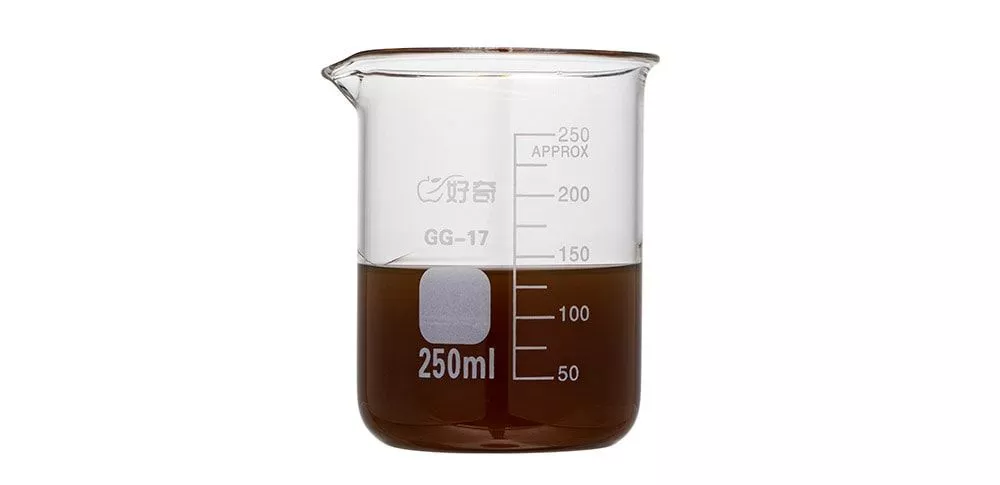
Linear Alkylbenzene Sulfonic Acid (90%) - India
Found this useful?