Industrial Applications, Global Demand Trends and Market Outlook for 2027
Ethylene glycol remains one of the most important chemical building blocks in the global manufacturing industry, supporting everything from polyester textiles and plastic packaging to automotive cooling systems. Its importance extends beyond individual applications because it connects several large industrial supply chains, particularly petrochemicals, plastics, textiles and transportation.
The global ethylene glycol market continues to benefit from demand for polyethylene terephthalate (PET), synthetic fibres and industrial cooling solutions. Asia-Pacific plays a particularly significant role in consumption and production, while developments in manufacturing capacity, feedstock economics and international trade continue to influence purchasing decisions. For chemical traders and procurement professionals, understanding these market dynamics is essential for identifying reliable suppliers and managing sourcing costs.
What Is Ethylene Glycol and Why Is It Important?
Ethylene glycol, commonly known as monoethylene glycol (MEG), is an organic chemical compound with the molecular formula C₂H₆O₂. It appears as a clear, colourless liquid with a slightly viscous consistency and mixes readily with water and several other organic substances.
Its industrial value comes from a combination of useful physical and chemical properties. Ethylene glycol has a relatively high boiling point, low volatility and strong moisture-absorbing capabilities. It also lowers the freezing point of water, making it suitable for applications that require temperature regulation.
Manufacturers primarily produce ethylene glycol through the hydration of ethylene oxide, which originates from ethylene derived from petrochemical feedstocks. Producers react ethylene oxide with water under controlled conditions to obtain ethylene glycol, followed by purification and separation processes.
The commercial market includes different grades depending on the intended application:
Polyester grade: Manufacturers use high-purity material to produce polyester fibres, PET resins and packaging materials.
Industrial grade: This grade serves various industrial formulations, chemical processing requirements and heat-transfer applications.
Antifreeze grade: Producers formulate this material for automotive coolants and other temperature-control products.
Grade selection directly affects product suitability, processing performance and procurement costs. Buyers should therefore match specifications with their manufacturing requirements rather than treating all ethylene glycol supplies as interchangeable.
Global Ethylene Glycol Demand and Market Development
Global ethylene glycol demand closely follows the performance of downstream manufacturing industries. Polyester production and PET manufacturing represent particularly important consumption segments because both rely on ethylene glycol as a fundamental raw material.
According to Fortune Business Insights, the global ethylene glycol market reached an estimated USD 23.50 billion in 2025. The report projects growth to approximately USD 24.43 billion in 2026 and USD 33.79 billion by 2034, reflecting continued industrial demand.
Asia-Pacific dominates the market, supported by its extensive textile manufacturing base, packaging industry and expanding petrochemical infrastructure. China plays a particularly important role through its large polyester production capacity and investment in integrated chemical manufacturing.
Several developments are influencing demand patterns:
Growing PET consumption: Beverage packaging, food containers and consumer product packaging continue to support demand for PET resin.
Expanding textile manufacturing: Polyester remains an important synthetic fibre in clothing, upholstery, carpets and industrial fabrics.
Automotive production: Vehicle manufacturing supports demand for antifreeze and engine coolant formulations.
Industrial infrastructure: Cooling systems, heating networks and manufacturing facilities require heat-transfer fluids for temperature management.
The relationship between ethylene glycol demand and downstream production makes the chemical particularly sensitive to changes in textile orders, packaging consumption and industrial activity.
Major Industrial Applications Across Manufacturing Sectors
Ethylene glycol serves several industries because its chemical properties support both intermediate manufacturing and direct industrial formulations.
1. Polyester Fibre and Textile Manufacturing
Polyester manufacturing represents one of the largest applications for ethylene glycol. Producers combine it with purified terephthalic acid (PTA) to manufacture polyethylene terephthalate, which forms the basis of many polyester fibres.
Textile manufacturers use these fibres in clothing, upholstery, carpets, curtains and industrial fabrics. Their durability, relatively low cost and versatility make polyester an important material across global textile supply chains.
As textile production expands, demand for polyester-grade ethylene glycol also increases. This connection makes the chemical market particularly sensitive to developments in major textile-producing economies.
2. PET Plastic and Packaging Production
Ethylene glycol is an essential raw material in PET resin manufacturing. PET serves as a major packaging material for bottled water, soft drinks, food containers and various consumer products.
Packaging manufacturers value PET for its lightweight structure, transparency and strength. The material also supports established recycling systems, creating opportunities for manufacturers seeking to incorporate recycled content into packaging production.
Demand for ethylene glycol therefore depends partly on beverage consumption, food packaging requirements and developments in the wider plastics industry.
3. Automotive Antifreeze and Coolants
Another important application involves automotive cooling systems. Ethylene glycol lowers the freezing point of water and helps prevent coolant mixtures from freezing in low-temperature conditions.
When blended with water and suitable corrosion inhibitors, it forms a heat-transfer fluid that supports engine temperature management. Automotive manufacturers and aftermarket coolant producers use these formulations in passenger vehicles, commercial trucks and industrial transport equipment.
4. Industrial Cooling and Heat Transfer
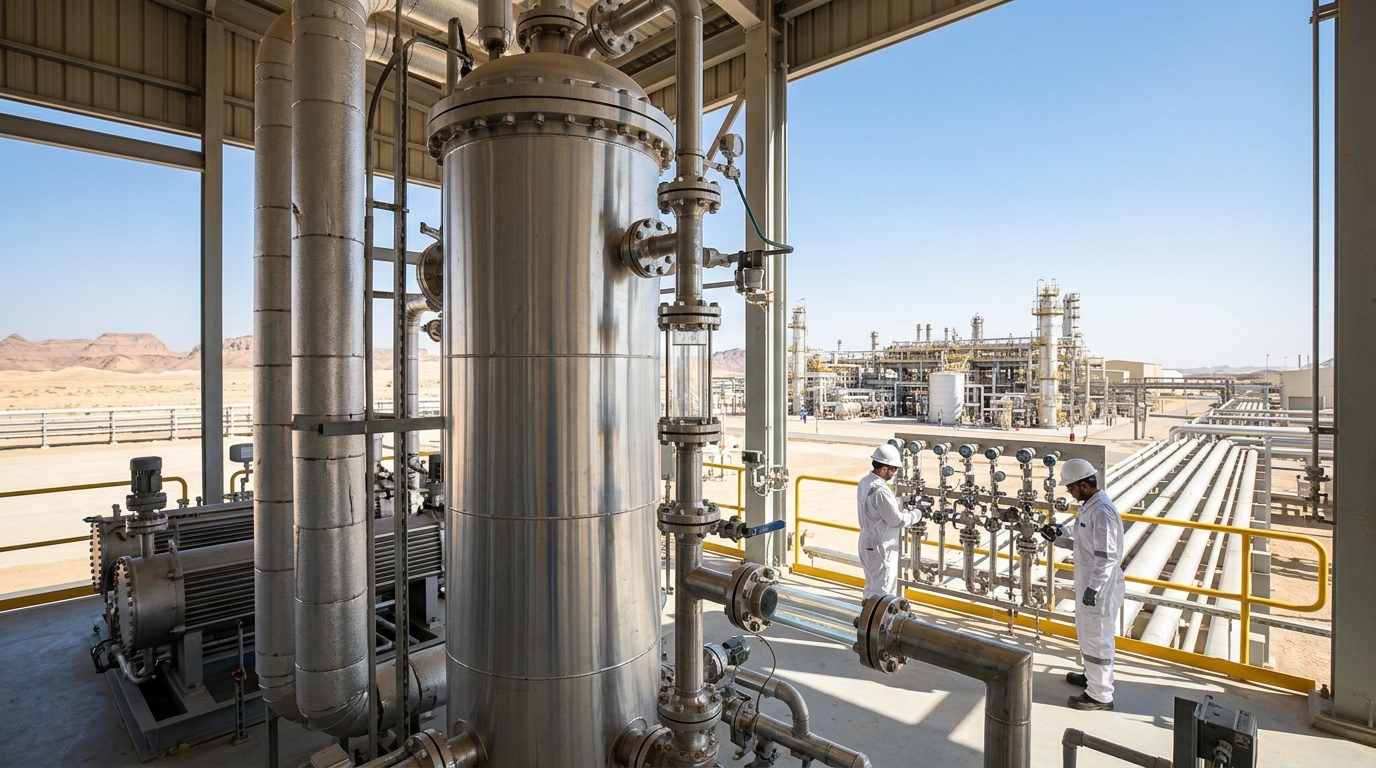
Industrial facilities use ethylene glycol-based fluids in applications requiring controlled heat transfer. These include refrigeration equipment, HVAC systems, gas compressors and specialised manufacturing operations.
Its ability to maintain fluid performance across different temperature conditions makes it valuable in industrial cooling circuits. The concentration of ethylene glycol in a formulation depends on the operating temperature and system requirements.
5. Chemical Formulations and Processing
Ethylene glycol also functions as a solvent, humectant and chemical intermediate. Manufacturers incorporate it into selected paints, printing inks, adhesives and other industrial formulations.
Its moisture-retaining characteristics help certain products maintain their desired consistency during storage and application. It also supports the production of additional chemical derivatives used in specialised manufacturing processes.
Leading Production Regions and International Trade Patterns
Ethylene glycol production and trade reflect the geographic distribution of petrochemical feedstocks, manufacturing infrastructure and downstream consumption.
Three regions hold particular importance in the global supply chain.
China and East Asia
China is a major force in ethylene glycol consumption and production. Its extensive polyester and PET manufacturing industries create substantial demand for the chemical, while continued investment in domestic petrochemical capacity supports local supply.
Other East Asian economies also participate in the market through established chemical manufacturing industries and downstream applications. Regional trade flows respond to differences in production costs, domestic demand and import requirements.
Middle East
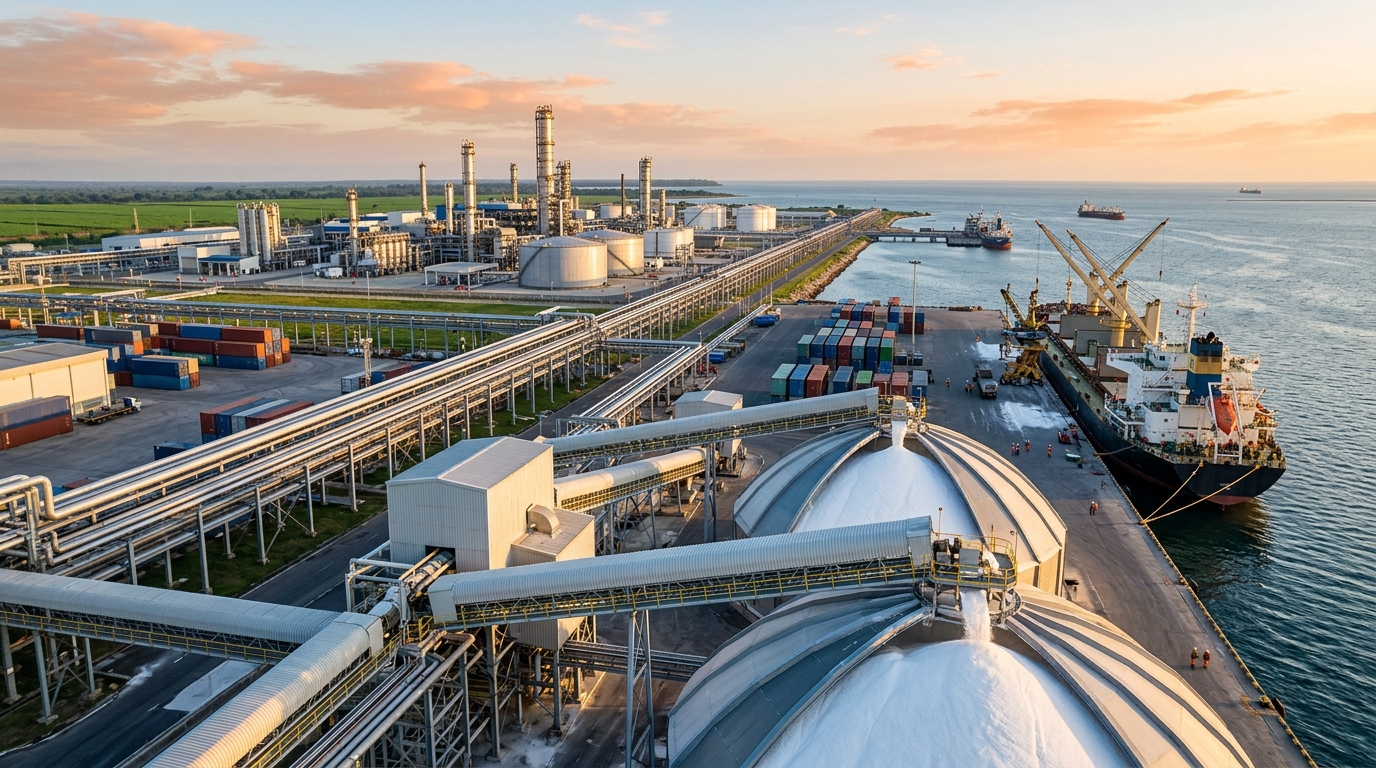
The Middle East benefits from access to competitively priced petrochemical feedstocks, particularly ethane. This advantage supports cost-efficient ethylene production and provides an important foundation for ethylene glycol manufacturing.
Saudi Arabia and other regional producers serve international markets through established petrochemical infrastructure, export terminals and bulk chemical distribution networks.
North America
North America maintains an important position in ethylene glycol production through its developed petrochemical industry and access to natural gas-based feedstocks. The region supplies domestic manufacturers and participates in international trade.
The expansion of cost-competitive production capacity in the Middle East, mainland China and North America has influenced the global supply landscape. S&P Global's February 2026 Chemical Economics Handbook highlights these regions as major contributors to recent MEG capacity additions.
For international buyers, these production centres provide different sourcing opportunities depending on freight costs, supplier availability, product specifications and regional trade conditions.
Key Factors Influencing Ethylene Glycol Prices
Ethylene glycol prices depend on several connected factors across upstream production, manufacturing operations and international distribution.
Feedstock and energy costs: Ethylene oxide production depends on ethylene availability, making upstream petrochemical prices an important cost factor. Natural gas and crude oil market movements can influence feedstock economics across different production regions.
Supply and production capacity: New manufacturing plants can increase available supply, while planned maintenance, unexpected shutdowns and operating-rate reductions can tighten the market. Regional production disruptions may also create additional import requirements.
Downstream industry performance: Polyester, PET and textile manufacturers represent major demand centres. Stronger production activity can increase purchasing requirements, while weaker industrial orders may reduce consumption.
Freight and logistics expenses: International shipments involve ocean freight, port handling, storage and inland transportation costs. Changes in shipping availability and trade routes can affect the delivered price for importers.
Currency movements and trade conditions: Exchange-rate fluctuations influence purchasing costs for buyers trading in different currencies. Tariffs, import duties and regional trade restrictions can also change the competitiveness of overseas suppliers.
Procurement teams should monitor these factors together rather than relying exclusively on quoted chemical prices. The total landed cost provides a more useful basis for comparing suppliers and negotiating contracts.
Supply Chain Challenges and Procurement Considerations
Ethylene glycol buyers operate within a supply chain that connects petrochemical producers, distributors, shipping companies and downstream manufacturers. Any disruption across these stages can affect availability, delivery schedules and purchasing costs.
Several procurement challenges deserve attention:
Supplier concentration: Dependence on a limited number of production regions can expose buyers to supply disruptions and regional price movements.
Quality consistency: Variations in purity, moisture content and other specifications can affect downstream manufacturing performance.
Transportation requirements: Buyers must coordinate suitable storage, handling and transportation arrangements for bulk liquid chemical shipments.
Inventory planning: Excess inventory increases storage costs, while insufficient stock can interrupt production schedules.
Import documentation: International transactions require appropriate product specifications, safety documentation and shipping paperwork.
Supplier evaluation should extend beyond the initial quotation. Buyers should review technical specifications, available certifications, production capabilities and delivery commitments before confirming an order.
Establishing relationships with multiple qualified suppliers can also improve sourcing flexibility during periods of market volatility.
Quality Standards, Handling and Regulatory Requirements
Ethylene glycol procurement requires attention to product quality and chemical safety. Although manufacturers use it in many established industrial applications, inappropriate handling or exposure can create serious health risks.
The substance is harmful if swallowed and requires suitable workplace controls. Industrial facilities should maintain appropriate ventilation, protective equipment, storage procedures and spill-management arrangements.
Buyers should request relevant technical and safety documents before purchasing, including:
Certificate of Analysis (COA): Confirms the supplied batch meets agreed chemical specifications and quality parameters.
Technical Data Sheet (TDS): Provides information about physical properties, product characteristics and recommended applications.
Safety Data Sheet (SDS): Explains potential hazards, protective measures, handling procedures and emergency response requirements.
Product specifications: Establish acceptable limits for purity, moisture, acidity and other parameters relevant to the intended application.
Importers should also review applicable chemical classification, labelling, transportation and environmental requirements in their destination markets.
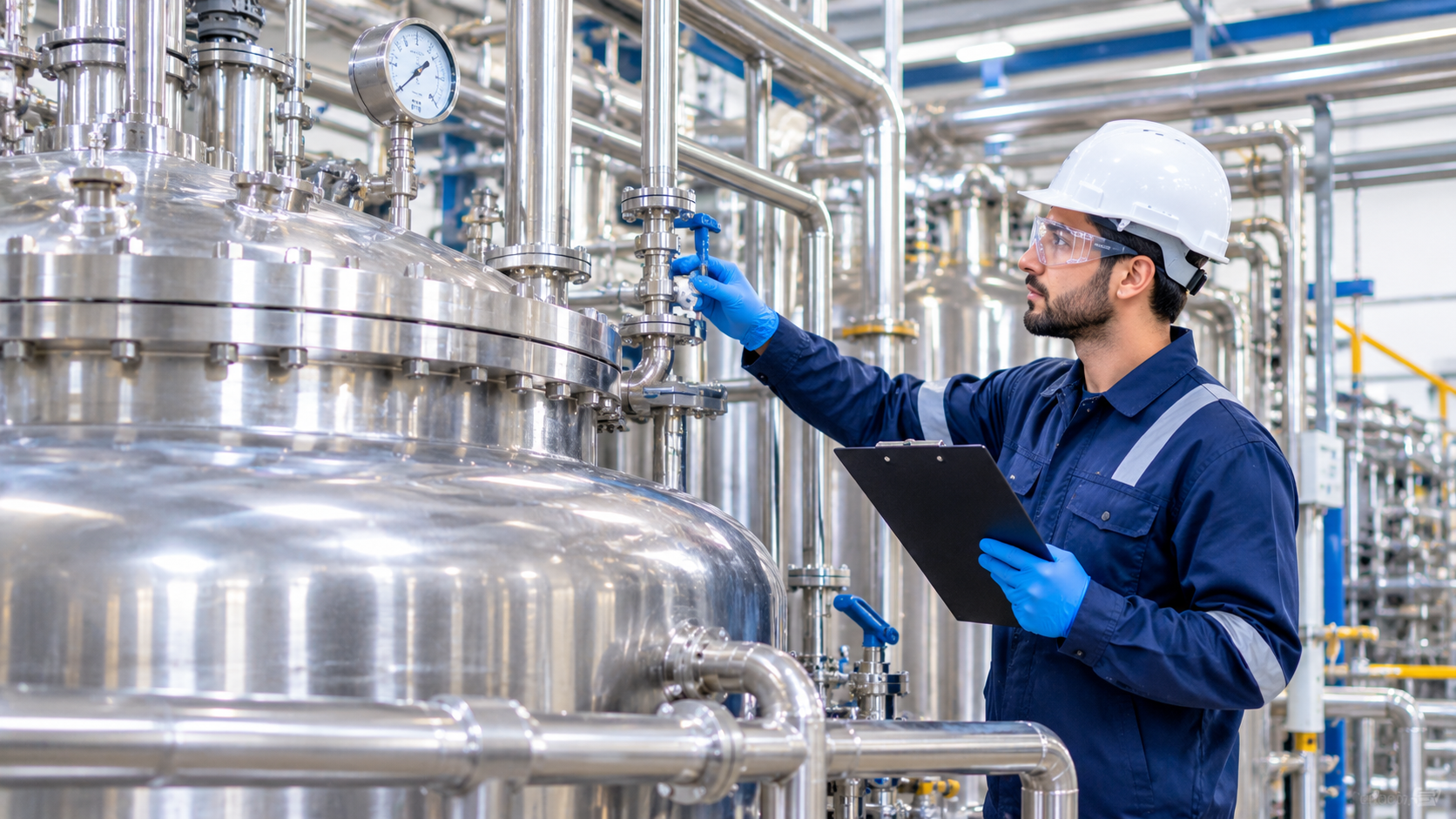
Proper storage practices help preserve product quality throughout distribution. Buyers should use compatible storage equipment, prevent contamination and follow supplier recommendations for temperature control and handling.
Sustainability and the Changing Ethylene Glycol Industry
Sustainability is becoming increasingly important across the polyester and packaging industries. Manufacturers face growing pressure to improve material efficiency, reduce production waste and increase the use of recycled raw materials.
PET recycling represents one important development. Mechanical recycling allows suitable PET waste to return to manufacturing streams, while chemical recycling technologies aim to recover useful chemical building blocks from selected waste materials.
These developments create opportunities and challenges for ethylene glycol producers. Increased recycled PET adoption may influence demand for virgin raw materials, although expanding packaging and textile consumption continues to support the wider polyester value chain.
Producers are also exploring alternative feedstocks and production technologies that could reduce dependence on conventional fossil-based resources. Bio-based and recycled-feedstock pathways may become more relevant as manufacturers pursue lower-impact material supply chains.
For procurement managers, sustainability considerations increasingly extend beyond the chemical itself. Supplier transparency, production practices, transportation efficiency and traceability can all influence purchasing decisions.
Ethylene Glycol Market Outlook for 2027 and Beyond
The outlook for ethylene glycol remains closely connected to the future performance of polyester, PET packaging and industrial manufacturing.
Asia-Pacific is expected to remain a central demand region because of its established textile industry, large consumer markets and continuing petrochemical investments. China will remain particularly influential through its position in polyester production and chemical manufacturing.
Several trends will shape the market over the coming years:
PET packaging demand: Consumption across beverage and consumer packaging markets will continue to influence ethylene glycol requirements.
Polyester manufacturing expansion: Textile production and synthetic fibre applications will remain important demand drivers.
Production capacity adjustments: New facilities and changing operating rates will influence regional supply availability and export competitiveness.
Feedstock cost fluctuations: Ethylene and energy prices will remain important factors in production economics.
Recycling and alternative materials: Improvements in PET recycling and alternative feedstocks may gradually change virgin ethylene glycol demand patterns.
Market participants should also consider the possibility of regional supply imbalances. Additional production capacity does not automatically translate into lower delivered prices because transportation expenses, local demand and trade restrictions can influence market competitiveness.
What Procurement Teams Should Prioritise in the Ethylene Glycol Market
For chemical traders, importers and industrial buyers, successful ethylene glycol sourcing requires a combination of market awareness, supplier evaluation and effective inventory management.
Start by identifying the correct product grade and establishing clear technical specifications. A polyester manufacturer, for example, may require a different specification from an industrial coolant producer.
Compare quotations from suppliers across different production regions while considering freight, payment terms, shipment size and delivery schedules. A lower ex-works quotation may not provide the most competitive landed cost once logistics and import expenses enter the calculation.
Procurement teams should also:
Maintain relationships with multiple qualified producers and distributors.
Monitor ethylene feedstock prices and regional supply developments.
Request batch-specific quality documentation before shipment.
Evaluate supplier reliability and consistency across previous transactions.
Align purchasing schedules with actual consumption and inventory requirements.
A structured sourcing strategy helps manufacturers manage supply risks while maintaining consistent production operations.
Ethylene glycol will continue to serve as a foundational raw material across plastics, textiles, automotive and industrial manufacturing. Its market position reflects the importance of interconnected supply chains, where changes in feedstock availability, production capacity and downstream consumption can influence purchasing conditions across international markets.
For buyers, staying informed about regional supply developments and maintaining access to dependable chemical suppliers can support more competitive procurement decisions. Ready to source ethylene glycol from verified global suppliers? Explore competitive offers on our platform today.
Sources:
Monoethylene glycol
Found this useful?