
Industrial Desiccants: Types, Applications , Moisture Control Requirements
Industrial Desiccants: Types, Applications and Moisture Control Requirements
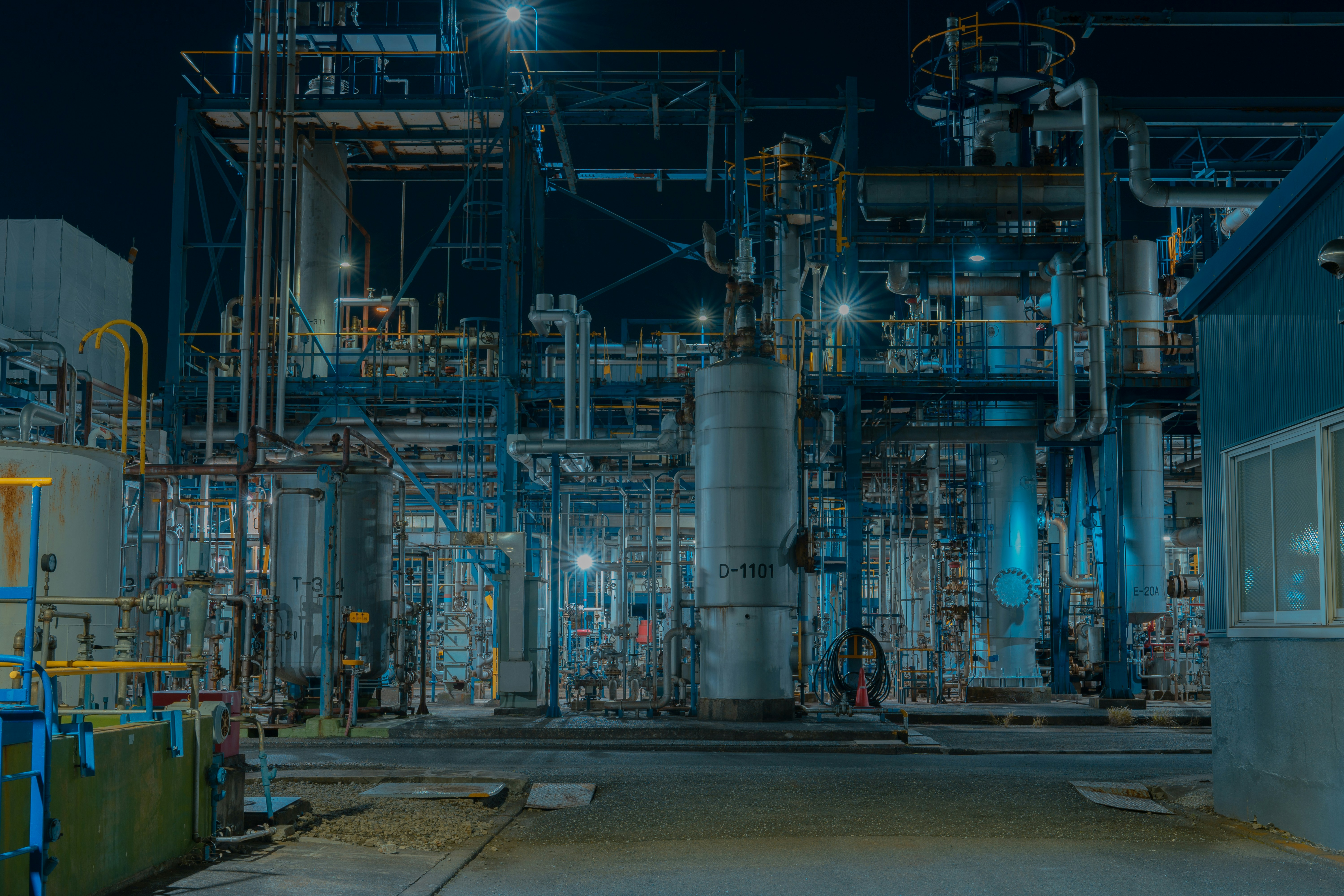
Moisture control is an essential requirement across industries where water vapour can affect product quality, equipment performance, chemical stability and manufacturing efficiency. Industrial desiccants are materials designed to absorb or adsorb moisture from air, gases and liquids, helping manufacturers maintain controlled humidity levels and protect sensitive materials.
Desiccants are widely used in chemical processing, pharmaceutical manufacturing, food packaging, oil and gas operations, compressed-air systems, electronics production and industrial storage. Depending on the application, they may be supplied as beads, granules, powders, cartridges or integrated drying systems.
Common industrial desiccants include silica gel, activated alumina, molecular sieves, activated clay and hygroscopic salts. Each material has different moisture-removal characteristics, operating requirements and regeneration capabilities. Selecting the appropriate desiccant is therefore important for achieving the required moisture level while maintaining process efficiency.
What Are Industrial Desiccants?
Industrial desiccants are moisture-controlling materials that reduce the amount of water vapour present in a gas, liquid or enclosed environment. They work primarily through two mechanisms: adsorption and absorption.
Adsorption and Absorption
Adsorption occurs when water molecules collect on the surface and within the pores of a porous material. Silica gel, activated alumina and molecular sieves are common solid adsorbents.
Absorption occurs when moisture is taken into the bulk of a material or incorporated through a chemical interaction. Certain hygroscopic salts and liquid desiccant solutions work through this mechanism.
The choice between these mechanisms depends on the process, required moisture level, operating temperature and whether the desiccant needs to be regenerated and reused. <Link ref="turn433772search1" title="ASHRAE Handbook – Sorbents and Desiccants"/>.
Major Types of Industrial Desiccants
1. Silica Gel
Silica gel is one of the most widely used industrial desiccants. It is a porous, amorphous form of silicon dioxide (SiO₂) with a large internal surface area that allows it to capture water vapour.
It is commonly supplied as beads, granules or small particles. Some grades contain moisture indicators that change colour as the material becomes saturated.
Industrial Applications of Silica Gel
Silica gel is used in:
Pharmaceutical and medical product packaging
Food and consumer product packaging
Electronics and electrical equipment protection
Industrial storage containers
Compressed-air drying systems
Optical and precision equipment packaging
Moisture-control breathers for industrial machinery
Its relatively high moisture capacity under suitable humidity conditions and availability in different particle sizes make it useful for general-purpose moisture control.
2. Activated Alumina
Activated alumina is a highly porous form of aluminium oxide (Al₂O₃). It is manufactured through controlled thermal processing to produce a material with a large surface area and strong moisture adsorption characteristics.
It is commonly used in industrial gas drying and compressed-air treatment systems. Activated alumina can also be used in selected liquid purification and chemical processing applications.
Industrial Applications of Activated Alumina
Common applications include:
Compressed-air dehydration
Natural gas drying
Industrial gas purification
Petrochemical processing
Liquid drying and purification
Moisture removal from process streams
Activated alumina is suitable for systems that require regenerable adsorbents and continuous moisture removal. Its performance depends on operating conditions, feed composition and regeneration procedures. <Link ref="turn433772search10" title="ASHRAE Handbook – Desiccant Dehumidification and Pressure-Drying Equipment"/>.
4. Activated Clay and Natural Clay Desiccants
Activated clay desiccants are produced by processing natural clay minerals to improve their adsorption characteristics. They are used in selected packaging, storage and industrial moisture-control applications.
Clay-based materials can provide an economical option for certain applications where extremely low moisture levels are not required.
Typical uses include:
Packaging protection
Storage of industrial components
Protection of metal products
Moisture control in selected enclosed spaces
Industrial product transportation
Their suitability depends on moisture capacity, particle characteristics and the humidity conditions in which they operate.
5. Calcium Chloride and Other Hygroscopic Desiccants
Calcium chloride (CaCl₂) is a hygroscopic salt that absorbs moisture from its surroundings. Unlike porous solid adsorbents, it can dissolve in the absorbed water and form a concentrated solution or brine.
It is used in selected moisture-control products, shipping containers, storage systems and industrial dehumidification applications.
Other liquid desiccants include lithium chloride solutions and glycol-based materials. These are used in certain industrial air-conditioning and dehumidification systems.
Because some hygroscopic salts form liquid solutions as they absorb moisture, equipment design must account for leakage, corrosion and disposal requirements. <Link ref="turn433772search10" title="ASHRAE Handbook – Desiccant Dehumidification"/>.
Industrial Applications of Desiccants
1. Chemical and Petrochemical Manufacturing
Moisture can interfere with chemical reactions, reduce product stability and affect the performance of catalysts and process materials. Industrial desiccants are therefore used to dry gases, solvents and selected liquid streams.
Moisture Control in Chemical Processing
Applications include:
Drying hydrocarbon streams
Dehydrating solvents
Removing water from process gases
Protecting moisture-sensitive catalysts
Drying raw materials before chemical reactions
Molecular sieves and activated alumina are commonly selected for industrial dehydration systems, depending on the process chemistry and required moisture specification.
2. Oil and Gas Processing
Natural gas and hydrocarbon processing operations require moisture control to protect pipelines, processing equipment and downstream systems.
Water in natural gas can contribute to hydrate formation under suitable pressure and temperature conditions. It can also increase corrosion risks when combined with acidic components.
Applications in Gas Dehydration
Industrial desiccants are used in:
Natural gas dehydration
Refinery gas treatment
Hydrocarbon drying
Pipeline gas conditioning
Petrochemical feedstock preparation
Molecular sieve systems are often selected when very low water content is required. Silica gel and activated alumina are also used in suitable gas-drying applications.
3. Pharmaceutical and Healthcare Manufacturing
Moisture control is important in pharmaceutical production because excess humidity can affect the stability, shelf life and physical properties of certain products.
Desiccants are used in packaging and storage systems to help protect moisture-sensitive medicines and healthcare products.
Packaging Applications
Common uses include:
Pharmaceutical bottles and containers
Tablet and capsule packaging
Medical diagnostic kits
Healthcare product storage
Moisture-sensitive raw material packaging
The selected desiccant must be compatible with the product and packaging system. Manufacturers must also ensure that it is appropriately contained and cannot contaminate the medicine or interfere with its intended use.
4. Food Processing and Packaging
Moisture can cause deterioration in food products by affecting texture, shelf life and product quality. Desiccants help maintain suitable humidity conditions inside selected food packaging systems.
They are used in packaging for products such as dried foods, snacks, spices and other moisture-sensitive goods.
Food-packaging desiccants must be appropriately selected, contained and compliant with applicable food-contact and packaging requirements.
5. Electronics and Electrical Equipment
Electronic components can be sensitive to moisture during manufacturing, transportation and storage. High humidity may contribute to corrosion, electrical leakage and other reliability problems.
Desiccants are therefore used to protect sensitive electronic products and equipment.
Applications include:
Semiconductor component packaging
Printed circuit board storage
Electrical switchgear enclosures
Optical equipment
Telecommunications equipment
Industrial control systems
Silica gel and molecular sieves are among the materials used for these moisture-control requirements.
6. Compressed-Air and Refrigeration Systems
Compressed air often contains water vapour that can condense as the air cools. Excess moisture may damage pneumatic equipment, contaminate products and affect downstream industrial processes.
Desiccant dryers remove water vapour to provide compressed air with a controlled pressure dew point.
Regenerative Desiccant Dryers
Many industrial adsorption dryers use two vessels. While one vessel removes moisture from incoming air, the other is regenerated to remove previously adsorbed water. The vessels then switch operating roles.
This arrangement supports continuous drying operations in facilities that require a consistent supply of dry compressed air. <Link ref="turn433772search6" title="Atlas Copco – How Adsorption Dryers Work"/>.
Moisture Control Requirements in Industrial Processes
Selecting a desiccant requires more than identifying a material with high moisture capacity. Manufacturers must understand the operating conditions and the moisture specification required by the process.
1. Relative Humidity
Relative humidity measures the amount of water vapour in air compared with the maximum amount the air can hold at the same temperature.
Different industrial environments require different humidity limits. Electronics storage, pharmaceutical manufacturing and general warehouse operations may have different moisture-control specifications.
2. Dew Point
Dew point is the temperature at which water vapour begins to condense under the prevailing pressure conditions.
It is an important measurement in compressed-air and industrial gas drying. A lower pressure dew point generally indicates a drier gas stream.
3. Moisture Adsorption Capacity
Moisture adsorption capacity describes how much water a desiccant can retain under specified conditions.
It depends on several factors, including:
Desiccant type and grade
Temperature
Relative humidity or water vapour pressure
Contact time
Gas or liquid composition
Regeneration history
Manufacturers should evaluate adsorption performance under conditions representative of the actual process.
4. Regeneration Requirements
Some industrial desiccants can be regenerated by heating, pressure reduction, vacuum or dry purge gas. Regeneration removes previously captured moisture and restores part of the material's adsorption capacity.
The required regeneration conditions differ by material. Equipment designers should consider energy consumption, regeneration temperature, cycle duration and the availability of suitable heat sources.
5. Chemical Compatibility
Desiccants must be compatible with the gas, liquid or product being dried. Contaminants such as liquid hydrocarbons, acids and other chemicals can affect adsorption performance or damage the material.
Compatibility testing and supplier guidance are important when selecting desiccants for specialised process streams. <Link ref="turn433772search0" title="Wiley – Desiccants: Classification and Industrial Applications"/>.
Factors to Consider When Selecting Industrial Desiccants
Manufacturers and procurement teams should evaluate the following factors before purchasing industrial desiccants:
Required moisture level: Establish the target humidity, water concentration or dew point.
Adsorption capacity: Compare the moisture-removal performance under actual operating conditions.
Operating temperature: Confirm that the material is suitable for the process temperature.
Pressure conditions: Consider the operating pressure and gas-flow requirements.
Particle size: Select an appropriate form to support contact efficiency and minimise pressure drop.
Regeneration capability: Determine whether the desiccant can be reused and what regeneration conditions are needed.
Chemical compatibility: Check for interactions with process gases, liquids and contaminants.
Mechanical strength: Consider resistance to crushing, abrasion and dust formation.
Supplier specifications: Review technical data sheets, certificates of analysis and quality consistency.
The best material is not necessarily the one with the highest advertised moisture capacity. It must meet the process requirements while providing suitable operating life, regeneration performance and overall cost efficiency.
Safety, Storage and Handling Considerations
Industrial desiccants should be stored and handled according to their material-specific safety requirements. Many porous desiccants begin adsorbing atmospheric moisture as soon as they are exposed to air, which can reduce their remaining capacity before installation.
Important precautions include:
Store desiccants in sealed, moisture-resistant packaging.
Keep unused material in dry storage conditions.
Avoid unnecessary exposure to humid air during loading and unloading.
Use suitable dust-control equipment when handling powders and granules.
Wear appropriate gloves, safety glasses and respiratory protection where required.
Follow the manufacturer's regeneration instructions.
Allow hot regenerated material to cool according to approved operating procedures.
Consult the Safety Data Sheet (SDS) before handling unfamiliar desiccant materials.
Used desiccants should be assessed before disposal or reuse because captured contaminants may affect their waste classification and handling requirements.
Industrial Outlook and Supply Chain Importance
Industrial desiccants support manufacturing operations where moisture control is essential for product quality, equipment protection and process reliability. Their applications across oil and gas, chemicals, pharmaceuticals, electronics, food packaging and compressed-air systems create demand for different adsorbent materials and drying technologies.
The selection of silica gel, activated alumina, molecular sieves or other desiccants depends on the required moisture level, process conditions and regeneration strategy.
For industrial buyers, consistent product quality, reliable supply, technical specifications and application support remain important procurement considerations. As manufacturing processes increasingly require controlled environments and precise moisture management, industrial desiccants will continue to play an important role in industrial drying and humidity-control systems.
Sources:
https://handbook.ashrae.org/Handbooks/F25/IP/F25_Ch32/F25_Ch32_ip.aspx?
Aluminium Chloride
Found this useful?