Industrial Sealants: Types, Applications and Buyer Considerations
Industrial sealants play an important role in maintaining the performance, safety and durability of equipment, structures and manufactured products. They close gaps, protect joints and prevent unwanted substances such as water, air, dust and industrial fluids from entering or escaping through connected surfaces.
Across construction, automotive manufacturing, electronics, marine operations and chemical processing, businesses rely on different sealant formulations to meet specific operating requirements. However, selecting an unsuitable product can lead to adhesion problems, leakage, premature deterioration and additional maintenance costs.
Understanding industrial sealant types, their properties and their intended applications helps procurement teams make better purchasing decisions. Buyers must consider factors such as substrate compatibility, temperature exposure, chemical resistance, joint movement and curing requirements before selecting a suitable material.
What Are Industrial Sealants and How Do They Work?
Industrial sealants are materials designed to fill gaps, close joints and create protective barriers between two or more surfaces. Unlike conventional adhesives, which primarily focus on bonding materials together, sealants mainly prevent the movement of liquids, gases and environmental contaminants through openings.
Some formulations also provide bonding strength, allowing them to perform both sealing and adhesive functions. Their performance depends on chemical composition, curing mechanism, application conditions and the surfaces involved.
Main Functions of Industrial Sealants
Manufacturers use industrial sealants for several important purposes:
Leak prevention: Sealants close gaps in pipes, tanks, containers and equipment to reduce unwanted fluid or gas leakage.
Moisture protection: They protect joints and exposed surfaces against water penetration, humidity and damp conditions.
Chemical protection: Specialised formulations help protect connections exposed to selected industrial chemicals, oils and fuels.
Vibration absorption: Flexible sealants accommodate movement and vibration in machinery, vehicles and assembled components.
Environmental resistance: Certain products protect equipment and structures against ultraviolet exposure, weather changes, dust and temperature fluctuations.
Most sealants cure through moisture exposure, chemical reactions, heat or evaporation of solvents and water. The curing mechanism influences application time, final flexibility and the conditions under which manufacturers can use the material.
Major Types of Industrial Sealants
Industrial sealants come in different chemical formulations, each offering specific performance characteristics. Buyers should evaluate these differences before choosing a product for manufacturing, maintenance or construction requirements.
1. Silicone Sealants
Silicone sealants offer flexibility, weather resistance and good performance across a range of temperatures. Their ability to maintain elasticity makes them suitable for applications where connected surfaces experience expansion, contraction or vibration.
Common applications include:
Glass and metal joint sealing.
Automotive components and assemblies.
Electrical equipment enclosures.
Industrial equipment exposed to weather.
Building facades and expansion joints.
Silicone formulations also provide useful resistance to ultraviolet exposure and moisture. However, not every silicone product suits continuous chemical immersion or every type of substrate. Buyers should check the manufacturer's compatibility information before procurement.
2. Polyurethane Sealants
Polyurethane sealants provide a combination of flexibility, mechanical strength and abrasion resistance. They bond with various materials, including concrete, metal and selected plastics.
Their applications include:
Industrial flooring and expansion joints.
Automotive body assembly.
Construction panel connections.
Machinery and equipment sealing.
Transportation and infrastructure projects.
Many polyurethane formulations accept paint after curing, making them suitable for applications where surface finishing matters. However, prolonged ultraviolet exposure can affect certain formulations, so outdoor buyers should verify weathering performance.
3. Polysulfide Sealants
Polysulfide sealants are known for their resistance to selected fuels, chemicals and prolonged water exposure. These properties make them useful in specialized environments where ordinary sealing materials may not provide sufficient protection.
Typical applications include:
Fuel storage and containment systems.
Marine equipment and structures.
Industrial tanks and reservoirs.
Insulated glass manufacturing.
Selected chemical processing installations.
Some polysulfide products use two-component systems that require mixing before application. Procurement teams should consider mixing requirements, working time and curing conditions when evaluating these materials.
4. Acrylic Sealants
Acrylic sealants generally suit applications requiring easy application, paint ability and relatively low movement accommodation. Water-based formulations are common in building and general maintenance applications.
Typical uses include:
Interior construction joints.
Window and door frame gaps.
Wall and ceiling connections.
General maintenance and finishing work.
Their limitations include lower suitability for continuous water exposure and joints experiencing significant movement. Buyers should distinguish between interior-grade products and formulations specifically designed for exterior conditions.
5. Butyl Sealants
Butyl sealants offer good adhesion and low water vapor permeability. Many formulations remain relatively flexible, making them useful for concealed joints and applications requiring moisture barriers.
Common applications include:
Roofing and waterproofing systems.
Metal panel connections.
Gutter and flashing joints.
Automotive sealing components.
Certain insulation and glazing applications.
However, butyl products generally accommodate less joint movement than highly elastic silicone formulations. Their suitability for exposed applications also depends on the specific product.
6. Hybrid Polymer Sealants
Hybrid sealants combine properties from different polymer technologies, including silicone and polyurethane characteristics. Many modified silane or silyl-terminated polymer formulations offer flexibility, adhesion and paint ability.
They are used in construction, transportation, industrial assembly and applications involving different substrate materials.
Their exact performance varies by formulation, so buyers should avoid assuming that all hybrid products provide identical chemical resistance or curing characteristics.
7. Epoxy-Based Sealants
Epoxy-based sealing compounds provide high mechanical strength and strong bonding capabilities after curing. Many products use two components that react when mixed.
Typical applications include:
Industrial equipment repairs.
Machinery housings.
Electrical component protection.
Selected metal and concrete assemblies.
Maintenance of rigid joints and surfaces.
Epoxy compounds generally offer less flexibility than elastomeric sealants. Therefore, they are better suited to applications where rigidity and strength matter more than accommodating continuous joint movement.
Industrial Sealant Applications Across Major Industries
Different industries require sealants that can withstand specific operating conditions. The material that works well in a building joint may not provide suitable performance in a chemical processing system or automotive assembly.
Construction and Infrastructure
Construction companies use sealants in expansion joints, concrete structures, roofing systems, windows and building facades. These materials help prevent water penetration while accommodating movement caused by temperature changes and structural activity.
Silicone and polyurethane formulations are common choices for different construction requirements. Polysulfide products also serve specialized applications involving prolonged water exposure.
Automotive and Transportation
Automotive manufacturers use sealants to protect vehicle assemblies against moisture, dust, vibration and environmental exposure.
Applications include:
Door and window sealing.
Windshield and glass installation.
Body panel connections.
Engine compartment components.
Selected electrical and electronic enclosures.
Sealant selection depends on the vehicle design, temperature exposure, material compatibility and manufacturing process.
Chemical Processing and Manufacturing
Chemical processing facilities require sealing materials that can withstand contact with selected industrial fluids, process chemicals and changing operating conditions.
Sealants may be used around equipment housings, storage installations, connections and maintenance joints. However, chemical resistance varies significantly between formulations.
Procurement teams should verify compatibility with the exact chemical concentration, operating temperature and exposure duration rather than relying on general product descriptions.
Electronics and Electrical Equipment
Electronics manufacturers use specialized sealants to protect components against moisture, dust and environmental contamination.
Silicone-based formulations are common in selected electronic applications because of their flexibility and temperature performance. Other specialized compounds provide rigid protection or bonding where the assembly design requires it.
Electrical insulation requirements and compatibility with sensitive components must form part of the purchasing specification.
Marine and Aerospace Applications
Marine equipment faces continuous exposure to moisture, saltwater and changing environmental conditions. Sealants help protect joints, panels, windows and equipment connections against these conditions.
Aerospace applications require carefully qualified materials because weight, temperature, pressure and durability requirements can be particularly demanding. Buyers must follow the relevant industry approvals and manufacturer specifications.
Key Criteria for Selecting Industrial Sealants
Choosing the correct industrial sealant requires more than comparing prices or selecting a familiar chemical formulation. Procurement professionals should evaluate the operating environment and technical requirements before approving a product.
1. Substrate Compatibility
The sealant must adhere properly to the surfaces involved. Common substrates include stainless steel, aluminium, glass, concrete, ceramics, rubber and plastics.
Some formulations require surface primers to achieve suitable adhesion. Others may react poorly with particular plastics or porous materials.
Buyers should request substrate compatibility information and, where necessary, arrange sample testing before placing large orders.
2. Temperature Resistance
Industrial environments often expose sealants to changing temperatures. Manufacturing equipment, automotive components and processing installations may experience conditions that exceed the limits of general-purpose products.
Consider both continuous operating temperature and short-term temperature peaks. The technical data sheet should specify the recommended service range for the exact formulation.
3. Chemical and Moisture Resistance
Facilities handling oils, fuels, solvents, acids or alkaline substances need products designed for the relevant exposure conditions.
Chemical resistance should be evaluated against:
The exact chemical being handled.
Chemical concentration.
Operating temperature.
Contact duration.
Continuous or intermittent exposure.
Water resistance alone does not guarantee resistance to industrial chemicals. Buyers should obtain specific compatibility confirmation from the manufacturer.
4. Flexibility and Joint Movement
Some joints remain relatively stable, while others expand, contract or vibrate during operation.
Flexible silicone, polyurethane and hybrid sealants can accommodate movement depending on their specified performance class. More rigid epoxy compounds generally suit applications with limited movement.
ASTM C920 provides classifications for elastomeric joint sealants, including movement capability, grade and intended use. However, compliance with the standard does not automatically establish suitability for every substrate or application.
5. Curing Time and Application Conditions
Curing requirements directly affect production schedules and maintenance operations.
Buyers should examine:
Initial setting and final curing time.
Required application temperature.
Humidity requirements.
One-component or multi-component formulation.
Mixing and application procedures.
Time before equipment can return to service.
Products with unsuitable curing requirements can delay manufacturing operations and increase labour costs.
6. Regulatory Compliance and Technical Documentation
Industrial sealants may require specific approvals depending on their intended use. Applications involving drinking water, food-contact equipment, electrical systems or specialised transport components may have additional compliance requirements.
Procurement teams should request a Technical Data Sheet (TDS) and Safety Data Sheet (SDS). They should also verify applicable standards, certifications, shelf life and storage conditions.
Common Challenges in Industrial Sealant Procurement
Even when buyers understand the main sealant categories, sourcing the correct formulation can present several challenges. These issues often arise when suppliers provide incomplete technical information or buyers focus mainly on purchase price.
Inconsistent Product Specifications
Different manufacturers may offer products under similar commercial descriptions but with different chemical compositions and performance characteristics.
A silicone sealant from one supplier may not provide the same temperature resistance or adhesion properties as another. Buyers should compare technical specifications rather than relying exclusively on product names.
Supplier Reliability and Product Availability
Industrial manufacturers often require consistent access to sealing materials for uninterrupted production. Delayed deliveries, limited product availability and inconsistent quality can affect maintenance schedules and manufacturing operations.
Working with suppliers who provide reliable documentation, consistent product specifications and dependable delivery arrangements can reduce these risks.
Storage and Shelf-Life Management
Sealants can deteriorate when buyers store them outside the manufacturer's recommended conditions. Excessive heat, moisture exposure and expired shelf life may affect product consistency and curing performance.
Procurement teams should verify:
Manufacturing and expiry dates.
Recommended storage temperatures.
Packaging integrity.
Batch identification.
Minimum remaining shelf life at delivery.
Balancing Purchase Price and Performance
Lower-priced sealants may appear attractive during initial procurement. However, poor adhesion, limited durability or unsuitable chemical resistance can increase maintenance requirements and replacement costs.
A better purchasing decision considers the total cost of use, including material consumption, application labour, downtime and expected maintenance frequency.
What Industrial Sealant Buyers Should Evaluate Before Ordering
A structured purchasing process helps chemical traders, manufacturers and industrial buyers reduce specification errors.
Before confirming an order, procurement teams should establish the following requirements:
Application details: Identify whether the material will seal a joint, pipe connection, equipment housing, surface gap or industrial assembly.
Chemical composition: Confirm the sealant chemistry and whether the product contains the required additives or curing components.
Technical performance: Review adhesion strength, flexibility, movement capability and resistance to environmental exposure.
Packaging requirements: Check whether the material is available in cartridges, tubes, pails, drums or specialised industrial packaging.
Supplier documentation: Request technical specifications, safety documentation, batch details and applicable certifications.
Sample evaluation: Arrange product testing when introducing a new supplier or replacing an existing formulation.
Supply consistency: Confirm production capacity, delivery schedules and availability for repeat orders.
International buyers should also consider shipping conditions, packaging protection and import documentation. Some sealant formulations have specific storage or transportation requirements that suppliers must communicate before dispatch.
What Buyers Should Do Now
Industrial sealants support a wide range of manufacturing, construction and maintenance activities. However, no single formulation provides the best performance across every application. Silicone, polyurethane, polysulfide, acrylic, butyl, hybrid polymer and epoxy sealants each serve different technical requirements.
For procurement professionals, the most effective approach is to begin with the operating conditions rather than the product category. Identifying the substrate, temperature range, chemical exposure, joint movement and curing requirements helps narrow down suitable options.
Buyers should also compare manufacturer documentation, evaluate supplier consistency and consider long-term performance alongside purchase price. These steps can help reduce material failures, improve maintenance planning and support more reliable industrial operations.
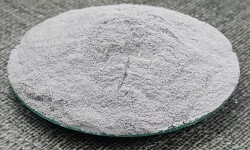
Fumed Silica
SOURCE LINK: https://store.astm.org/standards/c920
Found this useful?