INEOS-Led Greensand Opens EU’s First Full-Scale Permanent CO₂ Storage Site
Europe has reached a major milestone in carbon management infrastructure as the INEOS-led Greensand project begins operations at the EU’s first full-scale permanent CO₂ storage site. The offshore facility starts with an initial storage capacity of 0.4 million tonnes of CO₂ per year, with additional capacity planned as the project expands.
For chemical manufacturers, energy companies and industrial buyers, the development goes beyond carbon storage. It creates another piece of infrastructure for managing emissions from hard-to-abate industrial processes and could influence future demand for CO₂ capture, transportation, conditioning and storage services across Europe.
How the Greensand CO₂ Storage Project Works
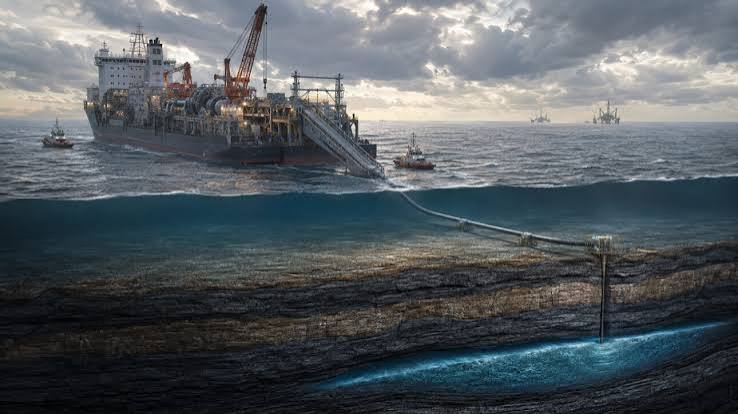
The Greensand project uses offshore geological storage to permanently contain captured carbon dioxide beneath the seabed. Captured CO₂ moves through a dedicated logistics chain before injection into a suitable underground geological formation.
The model connects several stages of the carbon management value chain:
CO₂ capture: Industrial facilities separate carbon dioxide from their emissions streams.
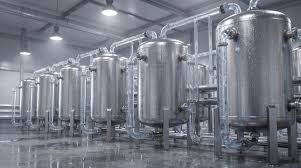
Conditioning and transport: The captured gas receives treatment for safe and efficient transportation to the storage location.
Offshore injection: The CO₂ moves into a geological formation beneath the seabed for permanent storage.
Monitoring: Operators track the storage formation to verify containment and manage the site over its operating life.
This integrated approach matters because carbon capture only reduces industrial emissions at scale when companies can also move and permanently store the captured CO₂.
Why 0.4 Mt/yr Matters for European Industry
The Greensand site's initial capacity of 0.4 million tonnes annually provides a tangible storage outlet for European emitters. The ability to expand the facility also creates a pathway toward larger volumes as industrial carbon capture projects mature.
For procurement teams, permanent storage capacity can become an important consideration when evaluating future decarbonization projects. A capture facility without dependable transportation and storage infrastructure may struggle to deliver its intended emissions reductions.
The project therefore strengthens the commercial case for coordinated carbon management networks. Industrial producers can increasingly view CO₂ as a material that requires logistics, handling and disposal planning rather than simply an unavoidable emissions stream.
Carbon Storage Creates a New Industrial Supply Chain
Permanent CO₂ storage requires more than an injection well. It depends on a connected network of equipment, engineering services, transportation infrastructure and specialist operating capabilities.
The emerging supply chain can involve:
Capture equipment and separation technologies installed at industrial facilities.
Compression and conditioning systems that prepare CO₂ for transportation.
Specialized pipelines, ships or other transportation systems.
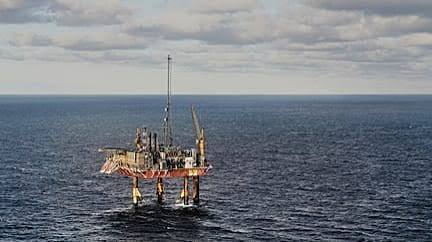
Offshore injection facilities and associated subsea infrastructure.
Measurement, monitoring and verification services supporting permanent storage.
These requirements can create opportunities for suppliers across the chemical, energy and industrial equipment sectors. They also introduce additional procurement considerations around technical specifications, material compatibility, safety standards and delivery schedules.
Chemical producers often operate energy-intensive processes that can generate significant CO₂ emissions. For facilities where electrification or feedstock substitution cannot eliminate all emissions, carbon capture and permanent storage can provide another pathway for managing industrial carbon output.
The availability of a permanent offshore storage site could therefore support companies assessing carbon capture projects for existing production assets. It may also encourage chemical producers to evaluate long-term contracts for CO₂ transportation and storage alongside conventional energy and raw material procurement.
Potentially affected sectors include:
Petrochemicals and refining
Fertilizer and ammonia production
Cement and minerals processing
Steel and other energy-intensive manufacturing
Industrial gas production
Waste and other facilities with concentrated CO₂ streams
For buyers, the commercial question increasingly extends beyond the price of capture equipment. Storage availability, transportation capacity and long-term service terms can influence the economics of an entire carbon management project.
The Expansion Potential Could Change Market Planning
The initial 0.4 Mt/yr capacity represents the starting point rather than the full potential of the Greensand infrastructure. Expansion could allow the project to accommodate larger quantities of captured CO₂ as additional industrial sources connect to carbon storage networks.
That creates a planning issue for industrial companies. Projects that require several years of development may need to secure transportation and storage arrangements well before a capture facility reaches commercial operation.
Procurement teams should therefore consider:
Expected CO₂ volumes throughout the operating life of a capture project.
Required specifications for transported and stored CO₂.
Available transportation routes and delivery points.
Storage capacity commitments and expansion provisions.
Monitoring and verification requirements.
Contract structures for long-term carbon storage services.
Early planning can help companies align capture investment with downstream storage availability.
Europe’s Carbon Management Infrastructure Is Taking Shape
The Greensand milestone adds to the development of a broader European carbon management system. Offshore storage can play an important role because several European industrial regions have substantial emissions but limited domestic geological storage options.
Cross-border carbon transportation could eventually connect industrial clusters with offshore storage locations. That model would require compatible infrastructure, clear regulatory frameworks and reliable commercial arrangements between emitters, transport operators and storage providers.
For chemical traders and industrial buyers, this development also highlights a wider shift in how carbon-related services may enter procurement strategies. Carbon handling could become an increasingly specialized industrial service category alongside energy, feedstocks, logistics and waste management.
Key Procurement Considerations for CO₂ Storage
Companies evaluating carbon capture and storage projects need to examine the entire chain rather than focusing solely on the storage site.
Volume commitments matter because capture systems can operate for decades and storage requirements may change as production rates fluctuate.
Technical specifications also matter. CO₂ composition, moisture content, pressure and impurities can affect transportation and injection requirements, making compatibility essential between capture equipment and downstream infrastructure.
Logistics reliability represents another critical factor. Industrial facilities need predictable collection and transportation arrangements because interruptions can affect production operations or force temporary changes to emissions management.
Finally, buyers should examine how contracts address expansion, monitoring, liability and operational responsibilities. Long-term carbon storage creates commercial relationships that can extend well beyond conventional chemical purchasing cycles.
Looking Ahead to Larger-Scale CO₂ Storage
The opening of the Greensand site demonstrates that permanent offshore CO₂ storage is moving from project development toward operating infrastructure in Europe. Its initial 0.4 Mt/yr capacity, combined with room for expansion, provides a foundation for handling larger volumes of captured carbon.
For chemical and industrial procurement teams, the development signals a need to incorporate carbon management into longer-term sourcing strategies. Companies evaluating new plants, expansions or emissions-reduction investments may increasingly need to coordinate capture technology, transportation capacity and permanent storage from the earliest stages of project planning.
As European carbon storage infrastructure expands, the commercial ecosystem around captured CO₂ should also become more sophisticated. Suppliers that understand the technical, logistical and contractual requirements of this emerging market will be better positioned to participate in the developing carbon management value chain.
2-Ethyl Hexanol
Found this useful?