INEOS Welcomes an EU Anti-Dumping Probe Into PVC Imports
INEOS Welcomes an EU Anti-Dumping Probe Into PVC Imports
INEOS has welcomed the European Commission’s decision to launch an anti-dumping investigation into certain PVC imports from China, South Korea, Mexico and Taiwan, saying the investigation is an important step toward addressing competitive pressures facing Europe’s chemicals industry.
The investigation concerns certain types of suspension-polymerised and bulk-polymerised PVC. The European Commission formally initiated the proceeding following a complaint filed by the Polyvinyl chloride (PVC) Trade Committee on behalf of EU producers.
European Commission Launches PVC Investigation
The European Commission announced the investigation in September 2026 after receiving a complaint alleging that certain PVC imports from China, South Korea, Mexico and Taiwan were being dumped into the EU market and causing injury to European producers.
The complaint was submitted on 10 August 2026 by the PVC Trade Committee, representing producers in the EU PVC industry. The investigation covers certain PVC produced through suspension polymerisation and bulk polymerisation.
The investigation does not cover PVC produced through emulsion polymerisation.
INEOS Supports the Investigation
According to INEOS, PVC imports increased by 100% in a 12-month period, adding pressure to an already challenging European chemicals market. The company argues that faster trade-defence procedures are needed to respond to major changes in global chemical trade.
INEOS says the investigation represents an important first step, but believes additional measures may be needed to protect European chemical manufacturing capacity.
PVC Is a Strategic Industrial Material
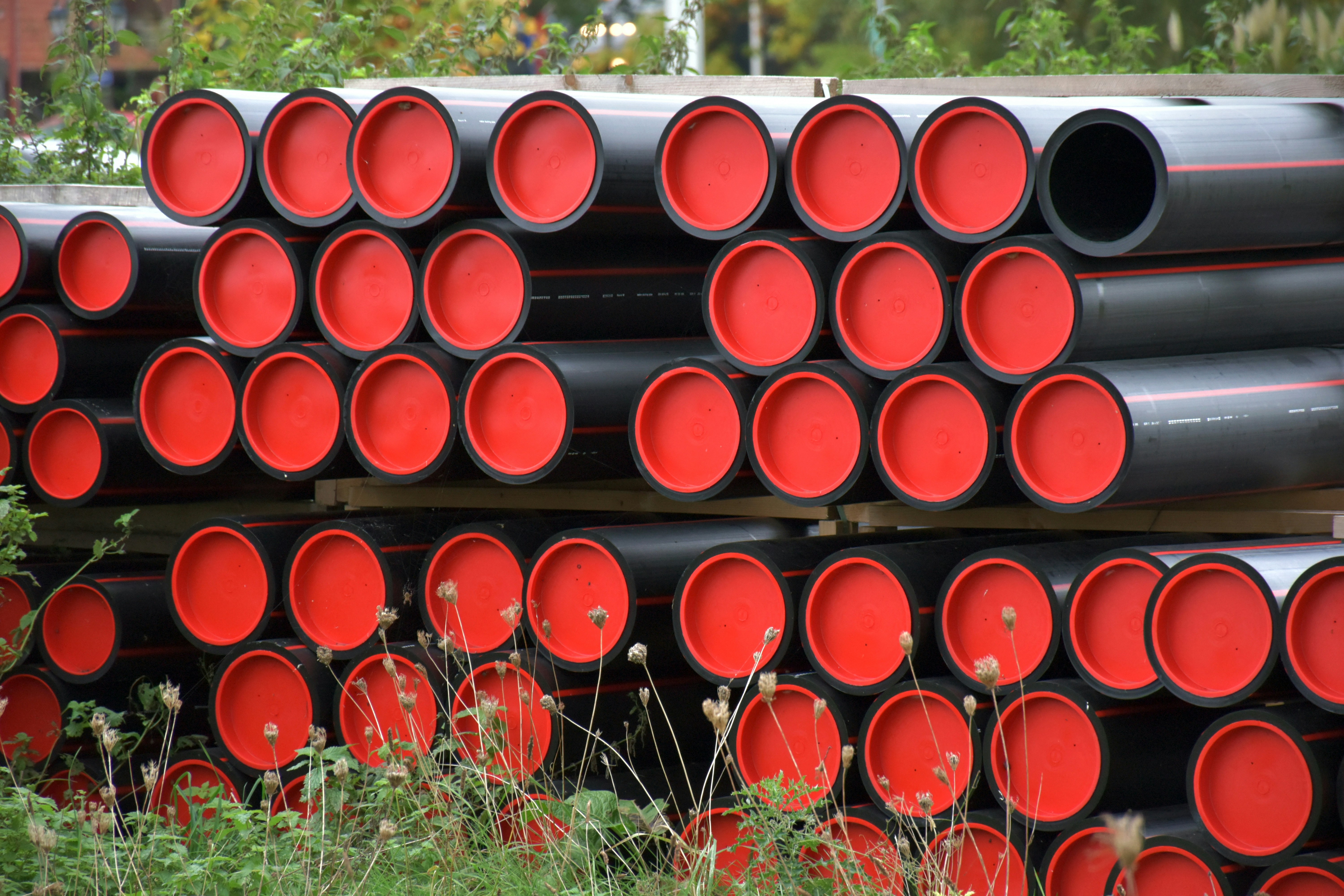
PVC is one of the world's most widely used plastics and is important to a range of industrial and consumer applications.
INEOS highlights its use in drinking-water and sanitation systems, healthcare, construction, food packaging, energy infrastructure and defence.
PVC's combination of durability, chemical resistance and relatively low cost makes it particularly important in infrastructure and manufacturing applications.
Rising Chemical Imports Put Pressure on Europe
INEOS says the PVC investigation comes at a difficult time for the broader European chemicals sector.
The company reported that €34.1 billion of organic chemicals were imported from China in 2025. It also stated that chemical imports from China increased by around 1.1 million tonnes during the first six months of 2026, while the EU's chemical trade balance deteriorated by approximately 1.2 million tonnes.
INEOS argues that these developments increase pressure on European production facilities and could affect investment and employment across the chemicals value chain.
INEOS Raises Carbon Footprint Concerns
Another issue raised by INEOS is the difference in energy sources and carbon intensity between European and Chinese chemical production.
The company states that China's chemical industry relies heavily on coal-based energy and feedstocks and claims that some Chinese chemical products, including PVC, can have a carbon footprint more than four times higher than equivalent European production.
INEOS argues that replacing European production with higher-carbon imports could shift rather than eliminate industrial emissions. This is the company's assessment rather than a finding of the European Commission's PVC investigation.
INEOS Calls for Faster EU Trade Defence
Alongside welcoming the PVC investigation, INEOS is calling for changes to how the EU handles trade-defence cases.
The company says EU procedures can take too long while European manufacturers continue to face competitive pressure from imports.
INEOS is calling for increased resources for the European Commission's trade directorate, simplified case preparation and faster implementation of provisional measures. It also advocates the use of safeguard measures for the European chemicals and plastics sector.
These are INEOS's policy proposals and do not represent a decision by the European Commission.

INEOS Has Filed Multiple Trade Defence Cases
The PVC investigation is part of a wider trade-defence effort by INEOS.
The company says it has filed, or is in the process of filing, 20 major trade-defence complaints involving polymers and chemicals with the European Commission. According to INEOS, this is twice the number it had reported in November 2025.
The company says the cases are intended to protect European manufacturing sites, employees and long-term industrial investment.
Previous EU Action on PVC Imports
The European Union has previously used anti-dumping measures on PVC imports.
In January 2025, the European Commission imposed definitive anti-dumping duties on certain PVC imports from Egypt and the United States after an investigation concluded that dumped imports were harming EU producers.
The duties introduced in that case ranged from 74.2% to 100.1% for imports from Egypt and 58% to 77% for imports from the United States, depending on the exporter and product concerned.
The new 2026 investigation involves different countries and products and has not yet resulted in definitive duties.
What Happens Next?
The European Commission will now investigate the allegations of dumping and the claimed injury to EU producers.
An investigation does not automatically mean that anti-dumping duties will be imposed. The Commission must assess the relevant evidence, including import prices, the situation of EU producers and the relationship between the imports and any injury identified.
The outcome could eventually lead to trade-defence measures if the legal requirements are met, but the investigation itself is still ongoing.
Potential Impact on the PVC Market
The investigation could become an important development for Europe's PVC industry and downstream manufacturers.
PVC producers, converters and users across construction, infrastructure, packaging, healthcare and electrical applications will be watching the process because any future trade measures could influence sourcing patterns and market conditions.
For European producers, the case also forms part of a wider debate over energy costs, industrial competitiveness, carbon costs and the future of domestic chemical manufacturing.
European Chemicals Industry Faces Wider Trade Challenges
The PVC case comes amid broader concerns about Europe's position in global chemical manufacturing.
European producers compete with manufacturers in regions where energy, raw materials and regulatory costs can differ significantly. At the same time, European companies face increasingly stringent environmental and carbon-related requirements.
The combination of global overcapacity, changing trade flows and high operating costs has increased pressure on chemical producers to improve efficiency while maintaining production within Europe.
Source Links:
Activated Carbon (Granular) - India
Found this useful?