Insect and Algae Protein: Niche Today, Mainstream Sourcing Tomorrow
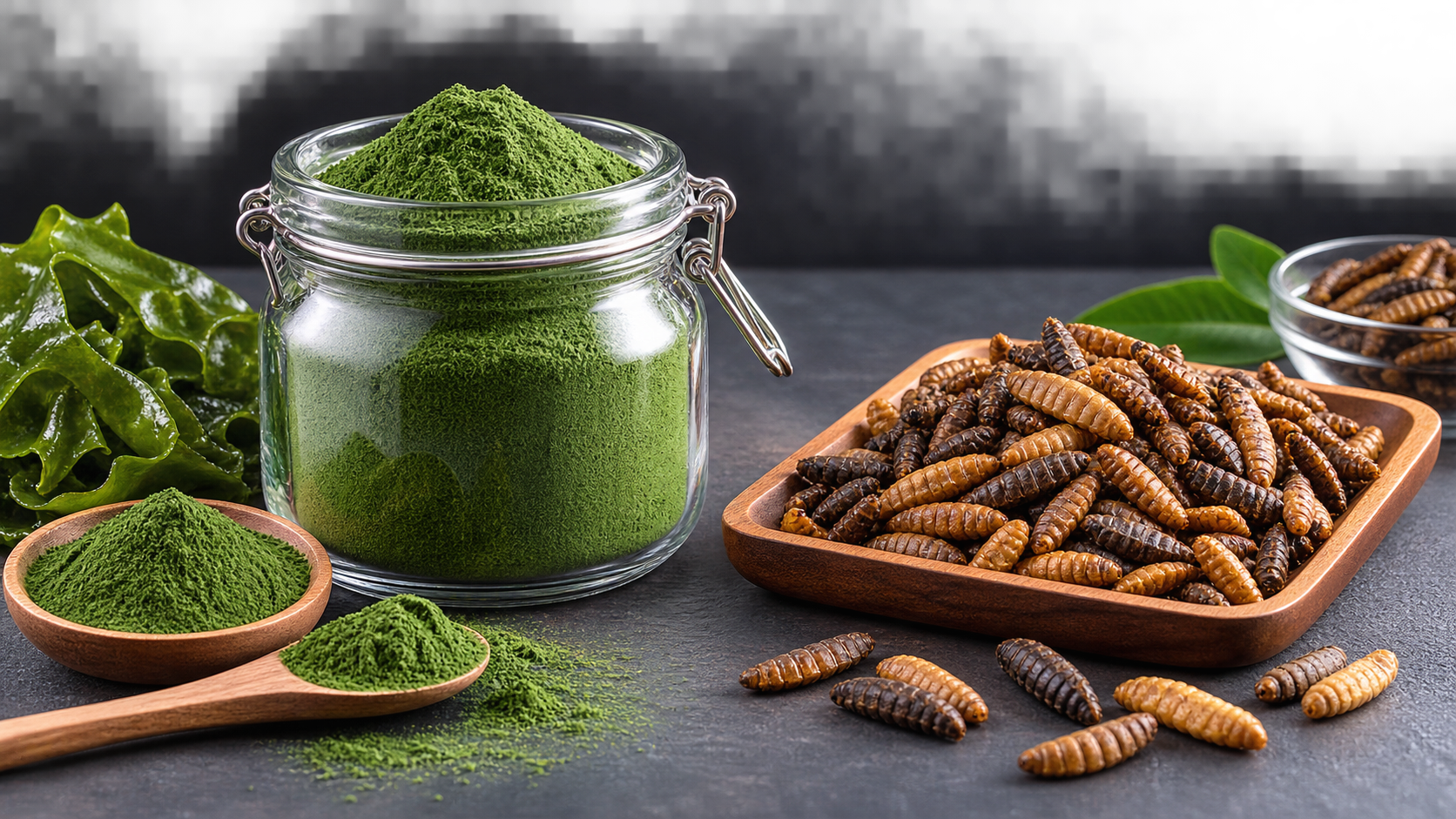
Insect and algae protein are moving closer to mainstream procurement as manufacturers search for alternatives to conventional protein ingredients. What once looked like a specialist category is developing into a broader sourcing opportunity across animal feed, aquaculture, pet nutrition and selected food applications.
For procurement managers, the important shift is not simply the emergence of new protein sources. It is the development of commercial supply infrastructure around these ingredients, including production facilities, processing technologies, quality systems and international distribution.
Early movers have an opportunity to qualify suppliers before demand accelerates. They can also establish technical specifications, test applications and develop alternative sourcing routes while the market remains relatively flexible.
Why Alternative Protein Procurement Is Expanding
Protein buyers face growing pressure to balance cost, supply security, nutritional performance and resource efficiency. Conventional sources remain essential, but dependence on a limited group of protein commodities can expose manufacturers to price swings, weather-related disruptions and regional supply constraints.
Insect and algae protein offer different production models. Insects can convert suitable organic feedstocks into protein-rich biomass, while microalgae can produce protein in controlled cultivation systems with different land and freshwater requirements from conventional agriculture. Recent research also highlights the potential for integrated insect and microalgae systems that improve resource circulation across agri-food operations.
This does not mean these ingredients will immediately replace soy, fishmeal or other established proteins. Instead, they give procurement teams additional options as manufacturers build more diversified ingredient portfolios.
The commercial opportunity is particularly relevant where buyers value:
Supply diversification: Alternative proteins can reduce dependence on a narrow group of conventional sources.
Functional performance: Protein concentration, amino acid composition and processing characteristics can support specific formulations.
Resource efficiency: Producers are developing systems designed to use resources more efficiently than conventional livestock production.
New applications: Insect and algae ingredients can serve feed, aquaculture, pet nutrition and selected human food markets.
Insect Protein Is Building a Commercial Supply Base
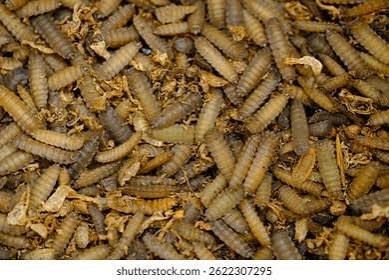
Insect protein has progressed beyond experimental production into industrial-scale operations, particularly for feed and aquaculture applications. Species such as black soldier fly, mealworm and cricket are receiving commercial attention because they can generate protein-rich biomass through controlled rearing systems.
Black soldier fly is especially relevant to circular production models because larvae can process suitable organic substrates and generate protein, fats and other marketable by-products. Research published in 2026 identifies black soldier fly as one of the more versatile insect species for integrated agri-food systems.
For procurement teams, however, production concept matters less than commercial consistency. Buyers need to know whether a supplier can deliver the required specification repeatedly at the required volume.
A commercial qualification process should examine:
Species and production method
Protein concentration and nutritional profile
Processing and drying technology
Feedstock controls
Microbiological and contaminant testing
Batch traceability
Packaging and storage requirements
Available production capacity
This approach helps buyers distinguish between a promising technology provider and a supplier capable of supporting industrial purchasing.
Algae Protein Brings a Different Sourcing Model
Algae protein offers another route into alternative protein procurement. Microalgae such as Chlorella and Arthrospira can contain substantial protein concentrations while also providing other compounds of interest, including pigments, lipids and bioactive components.
The commercial proposition varies considerably between algae species and processing methods. Some products target nutrition applications, while others fit animal feed, aquaculture or specialty ingredient markets.
Procurement teams therefore need to avoid treating "algae protein" as a single standardized commodity. Cultivation system, species, harvesting method, drying process and downstream extraction can all affect the final ingredient.
Algae also presents specific logistical considerations. Large-scale cultivation can require reliable access to water, energy, raw materials and distribution infrastructure, particularly when production facilities operate in remote locations.
For importers and distributors, this makes supplier location an important part of landed-cost analysis.
The Economics Will Determine How Fast Adoption Grows
Alternative protein procurement ultimately depends on commercial economics. Sustainability can encourage product development, but manufacturers still need ingredients that deliver acceptable cost, quality and performance.
Insect protein faces capital and scaling requirements associated with controlled rearing, processing and bioconversion facilities. Algae producers also need substantial infrastructure for cultivation, harvesting, drying and downstream processing.
This means buyers should evaluate cost per usable protein, rather than relying only on price per kilogram of finished ingredient.
A protein powder with a higher purchase price may still make commercial sense if its concentration, digestibility or functional characteristics reduce the quantity required in a formulation.
Conversely, a low-cost material may become less competitive if it requires additional processing, creates formulation problems or carries inconsistent batch characteristics.
Supply Chain Diversification Is the Early-Mover Advantage
The strongest argument for early procurement activity is not necessarily today's price. It is the ability to develop qualified supply options before alternative proteins become heavily contested.
A buyer that establishes relationships with several producers can collect information about capacity, lead times and specifications while maintaining negotiating flexibility.
This becomes especially relevant when established protein markets face disruption. In September 2026, elevated fishmeal prices linked to reduced anchovy availability in Peru were increasing commercial interest in insect protein as an alternative feed ingredient.
Such events demonstrate why alternative supply routes can become commercially important quickly. Buyers do not need to replace an incumbent protein immediately to benefit from having a qualified alternative available.
A proactive sourcing model can include:
Market mapping: Identify producers, processors and distributors across relevant regions.
Technical screening: Compare protein content, specifications and application suitability.
Sample qualification: Test materials under real formulation conditions.
Commercial validation: Review minimum order quantities, lead times and landed costs.
Backup sourcing: Maintain at least one alternative supplier for critical applications.
Regulatory Approval Remains a Key Procurement Filter
Regulation can determine whether an alternative protein can enter a particular market or application. Requirements differ by jurisdiction, product category and intended use, making regulatory status an essential part of supplier qualification.
Insect protein illustrates this complexity. Certain insect species have received authorization for human food applications in some markets, while other species and uses remain subject to additional approval requirements.
This creates a clear distinction between feed and food procurement. A supplier may have a commercially viable insect meal for aquaculture but lack the regulatory pathway required for a human nutrition product.
Buyers should therefore request appropriate regulatory and quality documentation before commercial negotiations advance too far.
For international traders, documentation can become a competitive advantage. Suppliers that organize certificates, specifications, traceability records and regulatory information efficiently can reduce the time required for buyer qualification.
Sustainability Is Supporting Interest, But Not Replacing Commercial Discipline
Insect and algae production attract attention because both can fit resource-efficient and circular production models. Recent research has examined how insects and microalgae can operate together within integrated agri-food systems, potentially improving biomass utilization and resource circulation.
Other 2026 research has examined the potential for converting biowaste into insect and microbial proteins, highlighting the broader opportunity to connect alternative proteins with circular economy models.
However, procurement decisions still require measurable commercial criteria. Buyers need reliable quality, predictable supply and clear specifications regardless of the sustainability narrative.
The most useful supplier evaluation therefore combines environmental information with practical purchasing metrics. This can include production capacity, energy requirements, feedstock sourcing, transport distance and packaging alongside price, quality and lead time.
Where Insect and Algae Protein Could Scale First
The fastest commercial adoption may occur in markets where buyers already have strong incentives to diversify protein sources.
Aquaculture is one important example because feed manufacturers continually evaluate alternatives to fishmeal and other conventional protein ingredients. Pet nutrition and livestock feed can provide additional routes to scale as manufacturers seek new nutritional inputs.
Human food applications could develop alongside these markets, but consumer acceptance and sensory characteristics can influence the pace of adoption. Algae, for example, can introduce color or flavor characteristics that require formulation and processing solutions.
For procurement teams, this means the addressable market is likely to expand application by application rather than through one immediate replacement cycle.
Early commercial winners may therefore be suppliers that solve a specific formulation or supply problem rather than those attempting to replace conventional protein across every category.
What Procurement Teams Should Ask Suppliers Now
Alternative protein sourcing requires more detailed supplier conversations than a straightforward commodity purchase. Procurement teams should establish a technical and commercial checklist before committing to regular volumes.
Key questions include:
What is the supplier's current monthly and annual production capacity?
Which species or algae strains does the supplier use?
What raw materials or cultivation inputs support production?
What protein concentration does the commercial product provide?
How does the supplier control microbiological and contaminant risks?
What certifications and regulatory documents are available?
What are the minimum order quantities?
How long does production take after order confirmation?
Can the supplier provide consistent batch specifications?
What expansion plans could affect future availability?
These questions provide a clearer view of commercial readiness. They also help procurement teams identify suppliers that can support long-term contracts rather than only small development orders.
Traders Can Help Build the Bridge to Mainstream Adoption
Alternative protein markets need more than producers. They also need distributors, importers and trading platforms that can connect emerging suppliers with industrial buyers.
This creates a useful role for B2B chemical and ingredient traders. Buyers may not have established relationships with insect or algae producers, particularly when sourcing across unfamiliar regions.
A capable trading partner can simplify supplier discovery, coordinate samples, clarify specifications and support international logistics. This becomes increasingly valuable as procurement teams move from experimentation toward repeat purchasing.
The commercial model can also evolve with the category. Initial transactions may involve small quantities for research and formulation, followed by larger contracts once the ingredient passes technical and regulatory qualification.
Building an Alternative Protein Portfolio for 2027 and Beyond
Procurement teams do not need to predict exactly when insect and algae protein will become mainstream. They need to prepare for the possibility that demand can accelerate faster than supplier qualification processes.
That means developing alternative protein sourcing capabilities before the category reaches full maturity.
A forward-looking portfolio could include conventional proteins for current volume requirements, established alternatives for diversification and emerging insect or algae ingredients for strategic development. This creates optionality without forcing manufacturers into premature large-scale substitution.
The approach also gives buyers better visibility into supplier economics. By engaging early, procurement teams can understand production costs, capacity expansion plans and technical limitations before market competition intensifies.
The Bottom Line for Early Alternative Protein Buyers
Insect and algae protein remain smaller categories than established protein commodities, but their commercial trajectory makes them increasingly relevant to strategic procurement. Insect systems are advancing through industrial production while algae offers a distinct route to protein and functional ingredients, supported by ongoing research and investment.
For buyers, the opportunity is to qualify suppliers before urgency dictates purchasing decisions. Early testing, regulatory review, supplier diversification and cost-in-use analysis can give manufacturers greater flexibility when alternative proteins become more commercially attractive.
For traders, importers and exporters, the emerging category offers a chance to establish relationships between innovative producers and conventional procurement organizations. The companies that understand specifications, documentation and logistics early can become important links in future protein supply chains.
The key question is no longer whether alternative proteins deserve a place on procurement teams' radar. It is whether buyers will have qualified supply routes ready when commercial demand moves beyond the niche stage. Ready to source alternative protein ingredients from verified global suppliers? Explore competitive offers on our platform today.

Fish Meal (66%) - Peru
Found this useful?