




Featured Reports and Data
Jul 29, 2026schedule4 Min Read
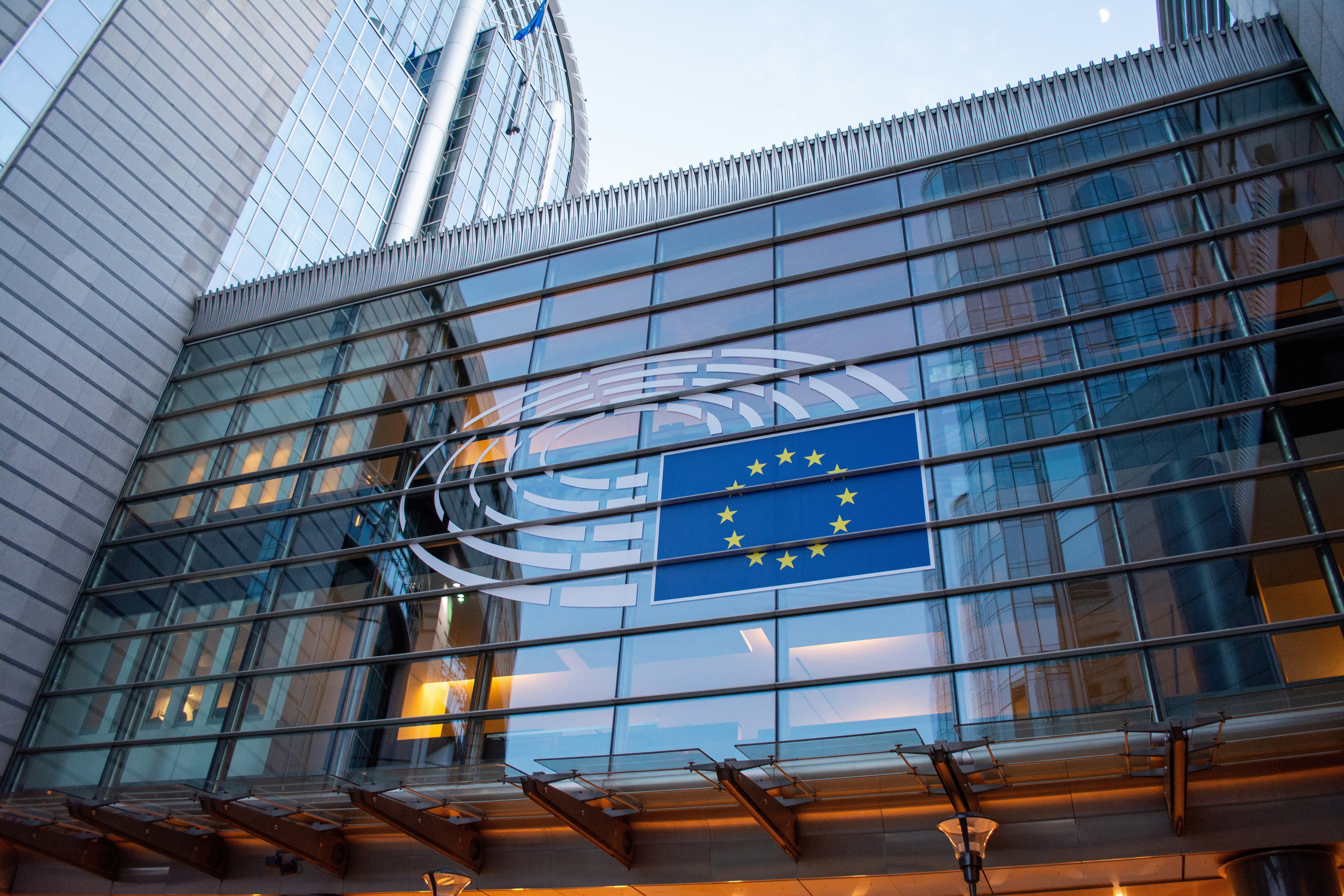
EU REACH & Chemical Regulatory Outlook 2026
Explore the EU REACH regulatory outlook for 2026
Full Reportarrow_forward


prodchem
Jul 29, 2026
The 2023 Supreme Court ruling that the federal court erred in dismissing Roundup lawsuits left the litigation landscape in flux. While the decision clarified one legal avenue, it did not extinguish the claims მოხდა. Bayer still faces dozens of active lawsuits across the United States, and the total number of pending cases is a key metric for investors, regulators, and industry stakeholders.
In a 6‑3 decision, the Court held that the U.S. District Court for the Eastern District of New York had misapplied the doctrine of res judicata, allowing plaintiffs to refile civil claims in federal court. The ruling was limited to the procedural error and did not address the substantive merits of the glyphosate exposure claims. Consequently, the legal status of individual lawsuits remains unresolved, but the path for further litigation has opened.
According to recent filings and court docket aggregators, the number of Roundup litigation cases that remain active as of July 2026 is approximately 110. This figure includes:
Federal cases: 45 in various districts, mainly in the Midwest and Southeast.
State court cases: 65, predominantly in California, New York, and Florida.
Class action petitions: 7 pending, each representing thousands of plaintiffs.
These numbers reflect filings that have survived dismissal motions, appeals, and procedural challenges. While some cases were consolidated or transferred, the Supreme Court’s ruling halted the automatic dismissal of many claims, thereby increasing the count of active lawsuits.
Bayer’s exposure to liability has escalated in two primary ways:
Financial risk: Each pending case carries potential damages ranging from hundreds of thousands to millions of dollars per plaintiff. With 110 교수 cases, the theoretical maximum liability could exceed $10 billion if all claims were awarded.
Reputational risk: Continued litigation feeds public perception of chemical safety concerns, influencing market share and consumer trust.
To mitigate these risks, Bayer has increased its legal reserve and invested in robust scientific research to counterAccueil claims. The company has also engaged in settlement negotiations with several state courts, aiming to reduce the number of high‑profile cases.
The Supreme Court ruling has broader implications beyond Bayer:
Precedent for product liability: The decision underscores the importance of careful court selection and procedural strategy in chemical litigation.
Regulatory scrutiny: The EPA and state agencies may revisit glyphosate approval, especially in light of unsettled health claims.
Litigation frameworks: Other agrochemical firms may emulate Bayer’s settlement approach, leading to a wave of out‑of‑court resolutions.
Regulators will likely monitor how the industry adapts, perhaps tightening disclosure requirements or mandating more comprehensive safety studies.
Agrochemical companies are revising their risk frameworks in response to the current legal climate:
Legal reserves: Setting aside capital for potential verdicts.
Product reformulation: Developing lower‑toxicity alternatives to reduce exposure risk.
Insurance coverage: Expanding liability insurance policies to cover emerging claims.
Stakeholder engagement: Conducting community outreach to build trust and preempt litigation.
These measures aim to balance shareholder expectations with long‑term sustainability and compliance.

Featured Product
Found this useful?
Continue Reading
Explore the EU REACH regulatory outlook for 2026

REACH compliance is tightening fast in 2026, with new Annex XVII PFAS restrictions and expanding SVHC oversight reshaping sourcing decisions across the EU market. Here is what procurement teams need to watch before enforcement deadlines land.

Global chemicals and energy markets enter 2026 under prolonged margin pressure, pushing companies toward consolidation, portfolio optimization and tighter cost control. Explore the trends shaping procurement, production and sourcing strategies across major regions.