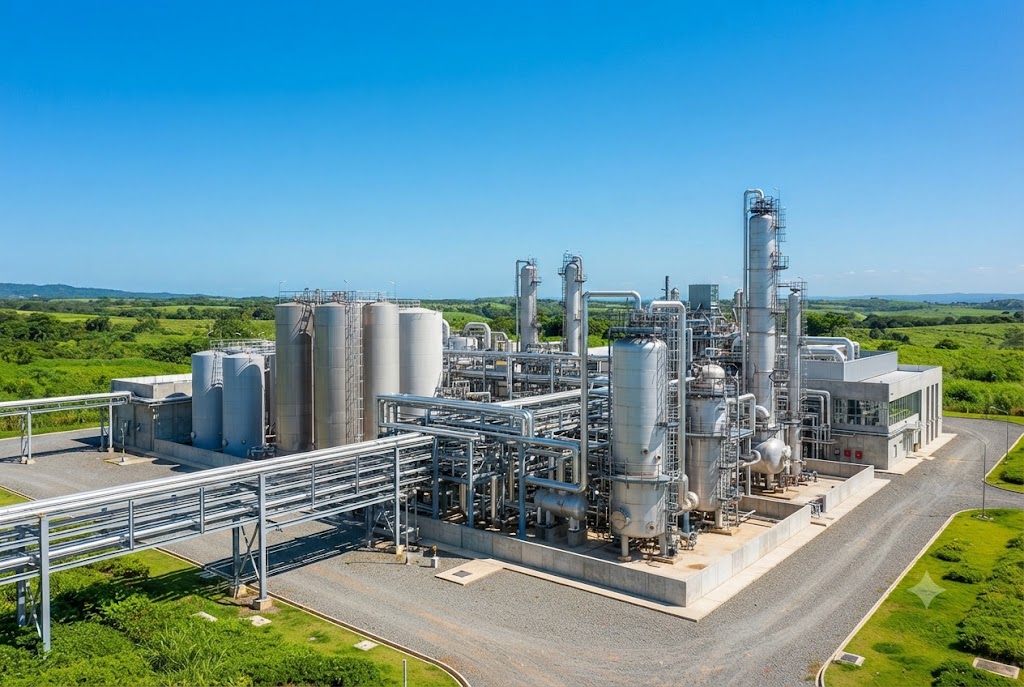
The global chemical landscape is undergoing a profound transformation as European commodity producers face unprecedented headwinds. Evonik’s CEO recently highlighted that international competition is becoming increasingly fierce. This reality unfolds even as the global political situation remains highly uncertain. Procurement managers and chemical traders must immediately adapt their sourcing strategies to this new paradigm. The era of relying solely on traditional European hubs for base and specialty chemicals is ending. Buyers must now navigate a fragmented market defined by aggressive global expansion and structural downsizing. Understanding these macroeconomic shifts is critical for maintaining supply chain resilience. Ignoring this trend exposes organizations to severe operational bottlenecks and pricing volatility. Strategic foresight is now the most valuable asset for industrial buyers navigating this complex environment.
The Reality of Fierce International Competition
Asian and North American chemical manufacturers are rapidly capturing global market share. These regions benefit from abundant domestic energy resources and aggressive capacity expansion. European producers struggle to match these cost structures due to elevated utility expenses.
Consequently, international rivals are undercutting European prices in key commodity segments. This dynamic forces legacy producers to either exit bulk markets or face severe margin compression. Buyers are witnessing a tangible shift in the global balance of chemical production power.
The competitive pressure extends beyond simple pricing. Emerging market producers are investing heavily in advanced manufacturing technologies. This allows them to offer comparable quality at significantly lower price points. European firms can no longer compete on volume alone.
Navigating Geopolitical Uncertainty in Global Trade
The uncertain global political situation adds a complex layer of risk to international sourcing. Trade barriers, tariffs and export controls are becoming more frequent and unpredictable. These geopolitical friction points disrupt established supply routes and inflate logistics costs.
Procurement teams can no longer assume frictionless cross-border chemical trade. Companies must build redundant supply chains to withstand sudden regulatory shocks. Relying on a single geographic region for critical inputs is now a massive liability.
Sanctions and regional conflicts frequently alter available shipping lanes. Insurance premiums for maritime transport fluctuate wildly based on geopolitical tensions. Buyers must factor these volatile logistical costs into their total landed cost calculations.
Strategic Restructuring of European Commodity Producers
European chemical giants are responding to these pressures with aggressive restructuring programs. Companies like Evonik are actively shedding low-margin commodity businesses. They are consolidating manufacturing footprints and reducing headcount to restore profitability.
This strategic pivot directs capital exclusively toward high-value specialty chemicals and sustainable innovations. The days of European dominance in bulk chemical production are effectively over. Buyers must recognize that their traditional suppliers are fundamentally changing their business models.
Facility closures and asset divestitures are becoming standard corporate practices. Management teams are prioritizing return on capital employed over sheer production volume. This rationalization permanently removes significant capacity from the European market.
Impact on Specialty and Base Chemical Supply Chains
This restructuring creates immediate ripple effects across global supply chains. The exit of major players from commodity markets tightens overall availability. Remaining European producers will prioritize high-margin specialty grades over standard bulk chemicals.
This shift leaves a void in the supply of foundational intermediates. Downstream manufacturers face the dual challenge of finding new sources and qualifying alternative materials. Procurement departments must accelerate their vendor qualification processes to prevent production halts.
Tighter allocation for standard chemical grades as European capacity shrinks. Buyers must secure volumes well in advance of actual need.
Increased lead times for custom formulations as R&D teams focus on higher-priority projects.
Higher baseline pricing for remaining European-produced commodities to offset structural cost disadvantages.
These disruptions require proactive management from procurement professionals. Building relationships with new suppliers is essential for smooth transitions. Early qualification of alternatives prevents last-minute scrambling during critical production cycles.
Regional Market Dynamics and Sourcing Shifts
Buyers are increasingly diversifying their procurement portfolios across multiple continents. Sourcing base chemicals from the Middle East or Asia offers significant cost advantages. Meanwhile, European suppliers remain vital for advanced formulations and strict regulatory compliance.
This bifurcated sourcing strategy optimizes both cost efficiency and technical performance. Procurement teams must develop expertise in managing complex, multi-regional supply networks. Understanding regional trade agreements and logistics corridors is now a core competency.
Asian exporters may redirect volumes to capture higher regional premiums. This arbitrage activity further tightens supply in traditional importing markets. Buyers must monitor global shipping rates and vessel availability closely to optimize timing.
What Procurement Teams Need to Know
Procurement professionals must act decisively to fortify their supply chains. Conduct a comprehensive audit of your current chemical spend and geographic dependencies. Identify critical materials sourced from restructuring European facilities.
Initiate immediate discussions with alternative global suppliers to establish backup channels. Negotiate flexible, long-term contracts that include clear force majeure and pricing adjustment clauses. Building organizational agility is the only reliable defense against market consolidation.
Engage your internal research and development teams early in the sourcing process. Validating alternative materials takes time and requires rigorous testing. Proactive collaboration prevents technical bottlenecks when switching suppliers.
The Bottom Line for Buyers
The intensification of international competition is a permanent structural shift. European commodity producers will continue to streamline their operations to survive. Buyers must embrace this new reality by building diversified and resilient supply networks.
Proactive sourcing and rigorous risk management will separate market leaders from vulnerable competitors. The time to adapt your procurement strategy is now. Waiting for market conditions to improve is a flawed strategy in a fundamentally changed landscape.
Ready to source Fumed Silica from verified global suppliers? Explore competitive offers on our platform today.