
Iran and the US Trade Attacks for a Sixth Consecutive Night
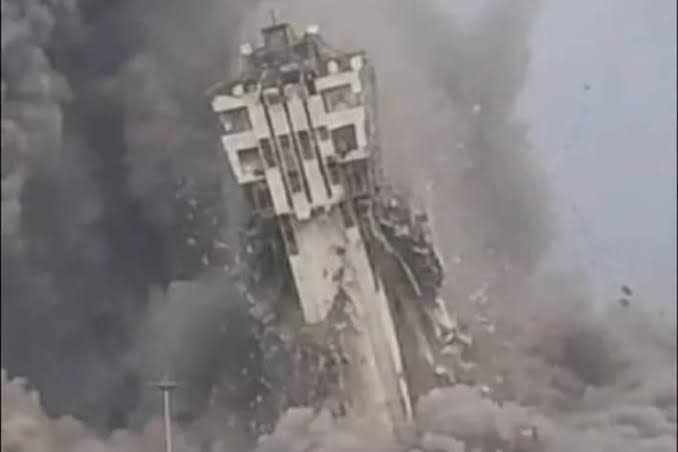
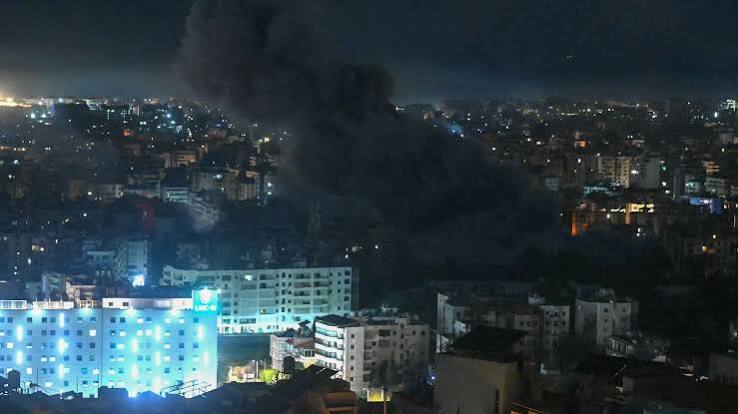
Military exchanges between Iran and the United States continued for a sixth consecutive night, highlighting the ongoing geopolitical uncertainty surrounding the Middle East. With reported attacks extending beyond Iran to include a US military base in Jordan, businesses involved in global trade are closely monitoring developments that could affect regional logistics and international supply chains.
For the chemical industry, the Middle East remains a critical production and export hub for petrochemicals, fertilizers, industrial gases, and energy feedstocks. Any prolonged escalation has the potential to influence shipping routes, freight costs, insurance premiums, and procurement strategies for companies dependent on Gulf exports.
While major trade routes remain operational, procurement professionals should continue monitoring geopolitical developments as part of broader supply chain risk management.
Why the Middle East Matters to Chemical Trade
The Gulf region is a major supplier of raw materials used across the global chemical industry.
Key products include:
Petrochemicals
Methanol
Urea
Ammonia
Sulphur
Polyethylene
Mono Ethylene Glycol (MEG)
Disruptions to regional logistics can influence international pricing, delivery schedules, and supply availability.
The Gulf region is a major global supplier of essential chemical products, including Mono Ethylene Glycol (MEG), Methanol, Urea, Sulphur, Caustic Soda, and Polyethylene (PE). These materials support industries ranging from plastics and textiles to agriculture and manufacturing, making stable regional trade important for global supply chains.

Monoethylene glycol
Potential Market Implications
Continued geopolitical tensions may contribute to:
Higher freight and marine insurance costs
Longer shipping lead times
Increased supply chain risk
Greater price volatility
Stronger demand for diversified sourcing
Additional inventory planning
Companies should continue monitoring official trade and shipping updates before making procurement decisions.
Procurement Considerations
Procurement teams should strengthen supply chain resilience by focusing on:
Multi-origin sourcing strategies
Supplier diversification
Safety stock planning
Logistics monitoring
Contract flexibility
Regular supplier communication
Preparing for potential disruptions helps reduce operational risk while maintaining supply continuity.
Looking Ahead
Geopolitical developments in the Middle East remain an important factor for global chemical markets. Although supply chains continue operating, procurement professionals should closely monitor shipping conditions, supplier performance, and regional policy developments to support informed sourcing decisions.
Building flexible procurement strategies and diversified supplier networks remains essential for managing uncertainty in international chemical trade.
Key Takeaways
Military tensions between Iran and the US continue to increase regional uncertainty.
The Middle East remains a critical supplier of petrochemicals and industrial chemicals.
Procurement teams should monitor logistics, freight, and supplier performance.
Diversified sourcing helps strengthen supply chain resilience.
Flexible procurement strategies can reduce exposure to geopolitical risks.
Found this useful?