Iran-US Ceasefire Collapse: Implications for Chemical Supply Chains | ChemicalsBlog.com
Country Watch
schedule2 Min Read
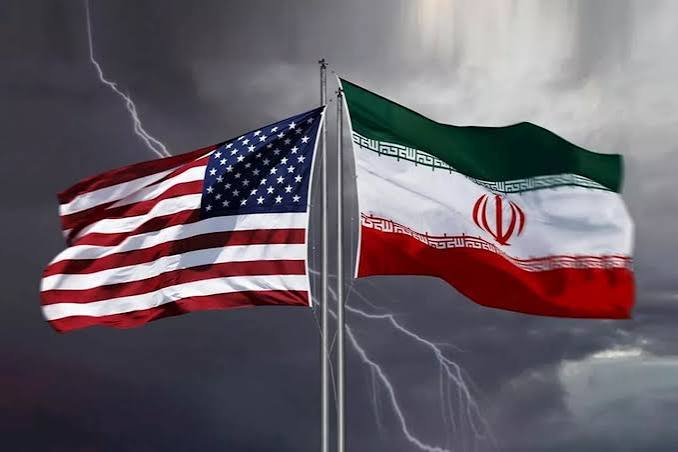
Iran Declares the Ceasefire "Effectively Collapsed": What Comes Next
terminal
prodchem
Jul 21, 2026
Iran has declared that its ceasefire with the United States has "effectively collapsed," signaling the end of the June 17 interim agreement and raising concerns about renewed instability in the Middle East. While the announcement does not automatically translate into an immediate escalation, it increases uncertainty for global energy markets, shipping routes, and international supply chains.
For chemical manufacturers, traders, and procurement professionals, the breakdown of the ceasefire is significant because the Middle East remains a major supplier of crude oil, natural gas, petrochemical feedstocks, fertilizers, and industrial chemicals. Any deterioration in regional security could influence freight costs, insurance premiums, export schedules, and commodity pricing.
Why the Ceasefire Breakdown Matters
The Middle East plays a central role in global chemical and energy supply chains.
Any increase in regional tensions may affect shipping schedules, feedstock availability, and international trade flows.
Market Implications
The collapse of the ceasefire could contribute to:
Higher geopolitical risk premiums
Increased freight and marine insurance costs
Greater oil and natural gas price volatility
Supply chain disruptions
More cautious inventory planning
Increased demand for alternative sourcing regions
Businesses are likely to continue strengthening supply chain resilience as geopolitical risks evolve.
Procurement Considerations
Procurement teams should focus on:
Multi-origin sourcing
Supplier diversification
Strategic safety stock planning
Long-term supply agreements
Freight market monitoring
Continuous geopolitical risk assessment
Flexible procurement strategies help reduce exposure to regional disruptions and improve supply continuity.
Looking Ahead
The end of the June 17 ceasefire introduces another period of uncertainty for global commodity markets. Future developments will depend on diplomatic efforts, regional security conditions, and the response of international shipping operators.
For procurement professionals, maintaining visibility across supplier networks, logistics routes, and market conditions will be essential. Companies that proactively diversify sourcing and strengthen risk management practices will be better positioned to navigate potential disruptions.
Key Takeaways
Iran has declared the June 17 ceasefire with the US effectively over.
Renewed geopolitical uncertainty may affect energy and chemical supply chains.
Freight, insurance, and commodity price volatility could increase.
Procurement teams should strengthen supplier diversification and logistics planning.
Long-term supply resilience remains critical for chemical buyers.