Iran's 69% Inflation Rate: What It Means for Pharmaceutical Chemical Trade Through Hormuz
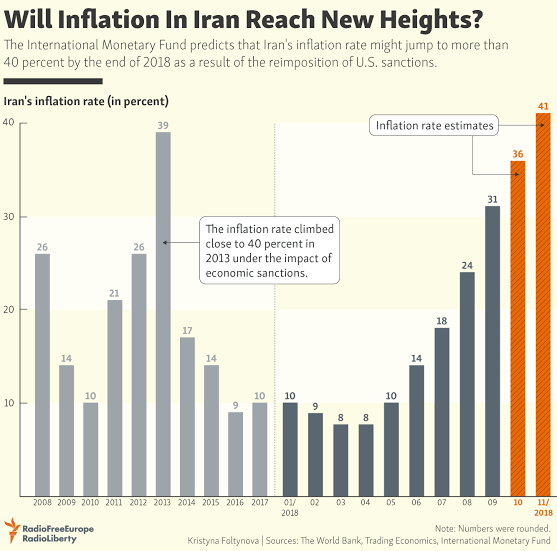
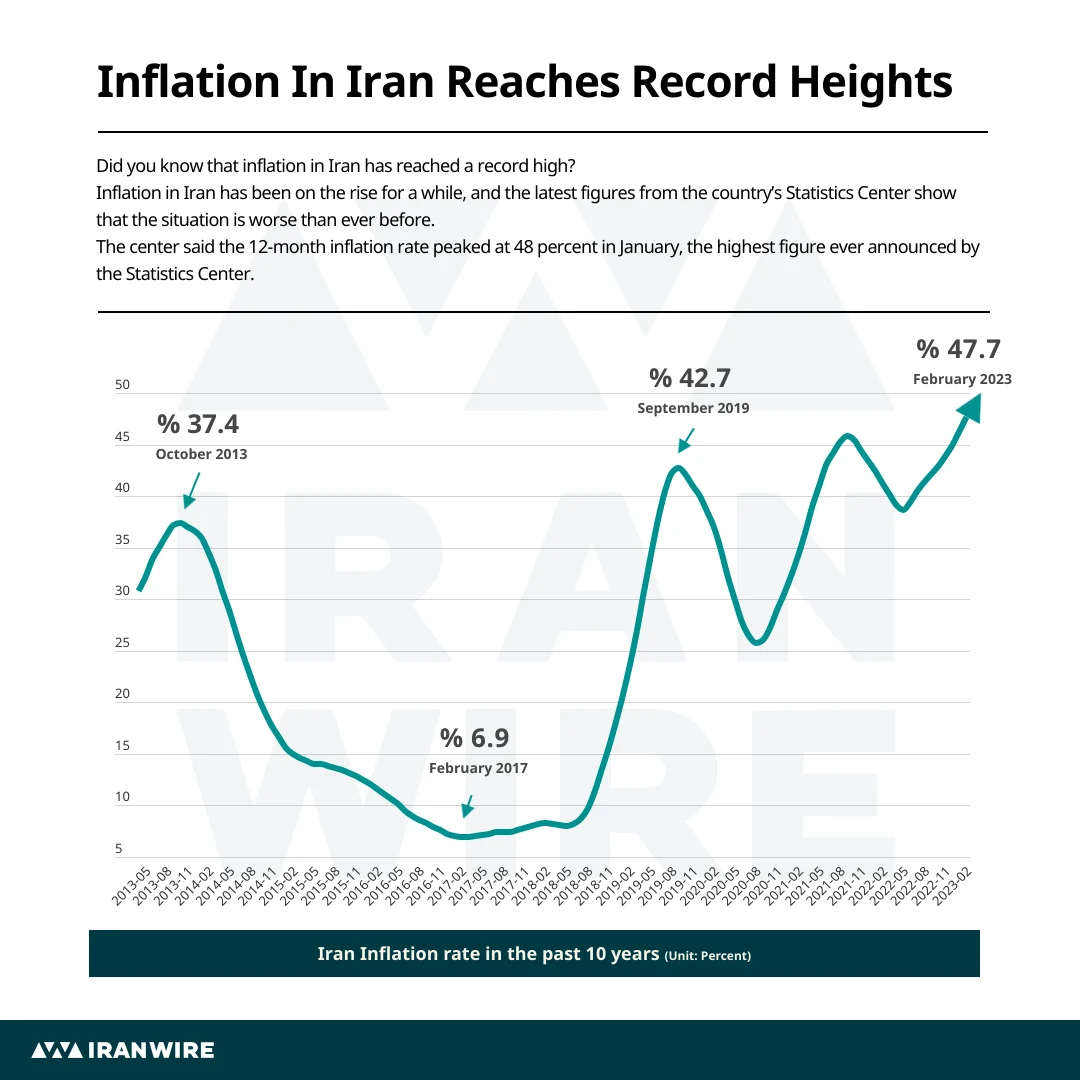
Iran's economic situation has become one of the most closely watched developments in global chemical and pharmaceutical markets. With inflation projected to reach historic levels during 2026, the country's industrial sector faces mounting financial pressure while simultaneously seeking export opportunities to generate valuable foreign currency. For pharmaceutical procurement professionals, these economic developments extend beyond macroeconomic headlines and directly affect the availability of pharmaceutical solvents and petrochemical derivatives.
Although Iranian petrochemical manufacturers continue to benefit from abundant domestic natural gas feedstocks that support competitive production costs, international buyers must carefully evaluate regulatory requirements, sanctions compliance, logistics risks, and payment mechanisms before considering any sourcing strategy. Throughout H2 2026, pharmaceutical companies should prioritize compliance while maintaining diversified sourcing strategies for critical raw materials.
Iran Remains an Important Petrochemical Producer
Despite ongoing economic challenges, Iran continues to possess significant petrochemical manufacturing capacity supported by domestic energy resources.
Key strengths include:
Large natural gas reserves
Competitive feedstock costs
Established petrochemical infrastructure
Experienced chemical manufacturers
Integrated production facilities
Export-oriented operations
These advantages allow producers to remain cost competitive despite broader economic pressures.
Inflation Is Increasing Export Pressure
High domestic inflation creates strong incentives for manufacturers to expand international sales wherever legally permitted.
Export objectives include:
Generating foreign currency
Improving cash flow
Supporting production utilization
Expanding international customers
Increasing export revenue
Strengthening industrial competitiveness
This may encourage greater participation in regional and international chemical markets if regulatory conditions allow.
Pharmaceutical Solvents Could Attract Buyer Interest
Iran has the capability to produce several industrial and pharmaceutical solvent feedstocks used across healthcare manufacturing.
Important product categories include:
Methanol
Glycols
Diethylene Glycol
Petrochemical intermediates
Industrial solvents
Chemical feedstocks
Process chemicals
However, procurement decisions must always consider applicable international trade regulations and company compliance requirements.
Compliance Remains the Primary Consideration
For pharmaceutical companies, regulatory compliance is more important than potential cost savings.
Procurement teams should evaluate:
Applicable sanctions
Import regulations
Export licensing
Financial restrictions
Banking arrangements
Legal documentation
Every transaction should be reviewed under the company's compliance program and relevant national regulations.
Logistics Continue to Influence Supply Chains
Shipping conditions across the Gulf continue improving compared with earlier months, but logistics remain more complex than under normal market conditions.
Factors affecting deliveries include:
Vessel availability
Insurance requirements
Freight pricing
Port operations
Transit schedules
Documentation requirements
Reliable logistics planning remains essential for pharmaceutical supply continuity.
Supplier Diversification Reduces Procurement Risk
Most pharmaceutical companies continue strengthening multi-source procurement strategies.
Best practices include:
Multiple approved suppliers
Regional diversification
Long-term contracts
Inventory planning
Alternative logistics routes
Continuous supplier evaluation
Diversified sourcing improves resilience regardless of regional market developments.
Procurement Priorities for H2 2026
Pharmaceutical procurement organizations should maintain a balanced and compliance-focused sourcing strategy.
Recommended actions include:
Monitor regulatory developments.
Review supplier compliance documentation.
Maintain diversified solvent sourcing.
Strengthen logistics planning.
Continue supplier qualification.
Evaluate geopolitical risks regularly.
These actions help reduce operational uncertainty while supporting uninterrupted pharmaceutical manufacturing.
Market Outlook
Iran remains an important participant in the regional petrochemical industry due to its competitive production economics and established manufacturing base. However, inflation, sanctions, payment restrictions, and evolving geopolitical conditions mean that pharmaceutical chemical trade involving Iranian-origin materials continues to require careful commercial and legal evaluation.
For most pharmaceutical manufacturers, the preferred strategy throughout H2 2026 will remain diversified global sourcing combined with rigorous compliance oversight rather than dependence on any single regional supplier. Companies that balance cost competitiveness with regulatory certainty, reliable logistics, and supplier diversification will be best positioned to manage future market uncertainty while maintaining secure access to pharmaceutical solvents and essential chemical raw materials.
Key Takeaways
Iran's inflation is increasing pressure to expand petrochemical exports.
Domestic energy resources continue supporting competitive production costs.
Pharmaceutical solvents remain an important export category.
Regulatory compliance should guide every procurement decision.
Logistics and payment mechanisms continue influencing trade.
Supplier diversification reduces long-term procurement risk.
Pharmaceutical companies should prioritize compliance alongside commercial opportunities.
H2 2026 sourcing strategies should emphasize flexibility, resilience, and regulatory awareness.
Found this useful?