Iran's Methanol Export Machine and the Missile Chemistry Controversy
Iran occupies an unusual position in global chemical trade. It remains one of the world's larger methanol exporters, built on access to cheap domestic natural gas feedstock, while separate reporting on sodium perchlorate shipments into the country has pulled Iran into a very different kind of scrutiny. For chemical traders and procurement teams operating anywhere near Iranian supply chains, both stories matter, and they matter for different reasons.
Iran's Position as a Methanol Exporter
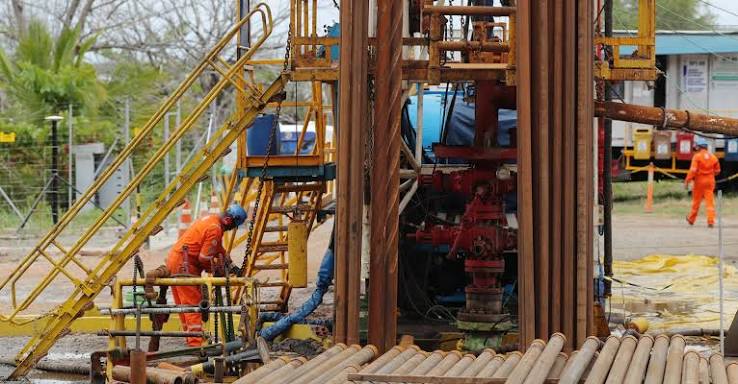
Iran built its methanol industry on an abundant and low cost natural gas supply, which gives its producers a structural cost advantage over gas importing competitors in Asia and Europe. That advantage has made Iranian methanol a regular presence in Asian import markets, even as sanctions complicate the logistics and financing behind those shipments.
Buyers who source methanol through intermediaries or blended cargoes should understand that Iranian origin material can enter global trade flows indirectly, particularly through transshipment points and buyers in jurisdictions with looser sanctions enforcement. That reality makes origin verification a genuine compliance issue rather than a paperwork formality.
The Sodium Perchlorate Shipment Controversy
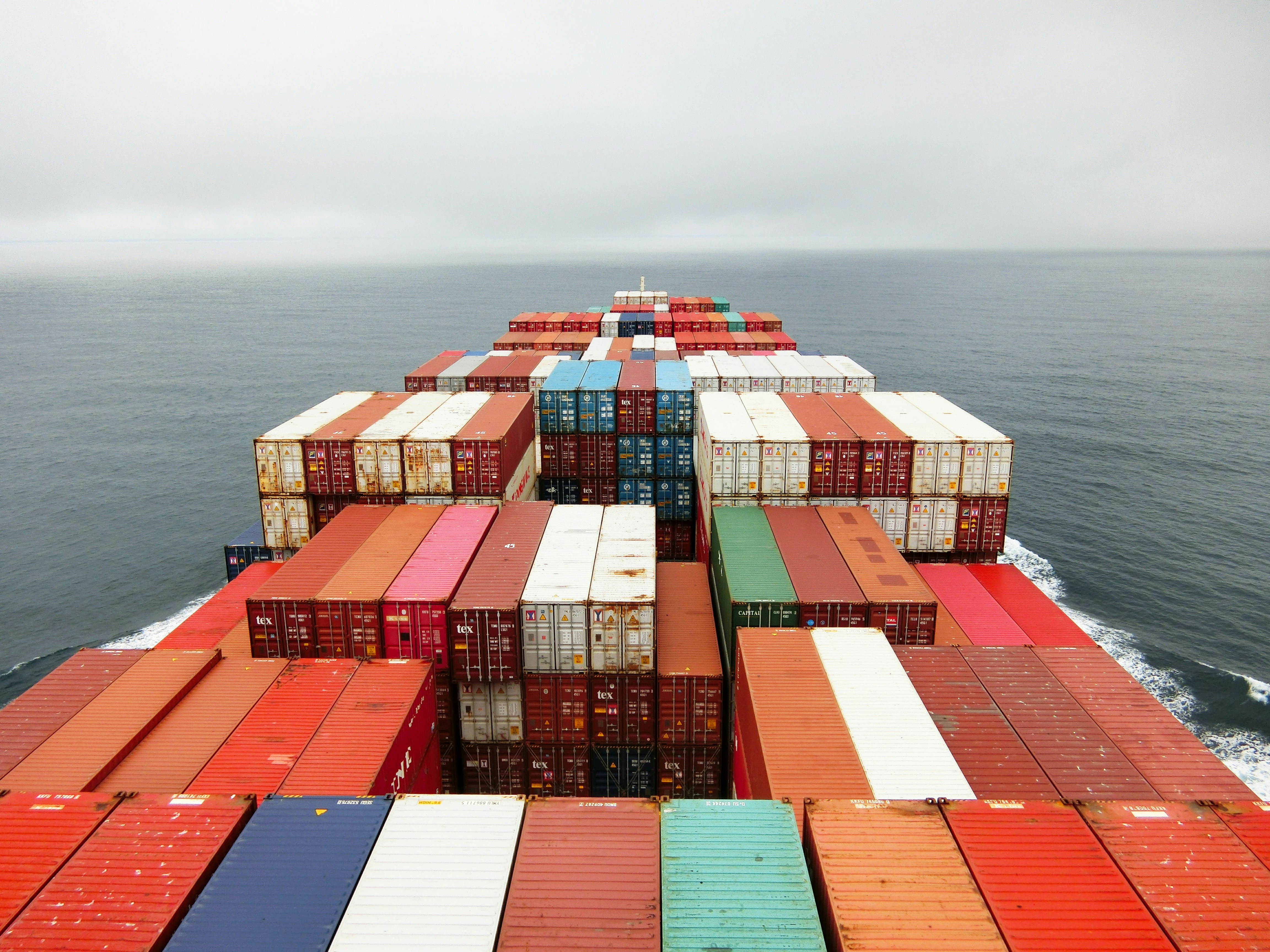
A separate and more serious story has developed around sodium perchlorate, a chemical oxidizer that serves as a precursor to ammonium perchlorate, a component used in solid fuel rocket propellant. Maritime tracking data and multiple independent reports have documented a series of shipments of suspected sodium perchlorate from Chinese ports to Iran since 2025.
The scale of what has been reported is significant:
Early 2025 shipments. Two IRISL vessels, the Golban and Jairan, delivered an estimated 1,000 tonnes of sodium perchlorate to Bandar Abbas, a quantity nonproliferation analysts say could support production of over 100 ballistic missiles.
A larger 2025 wave. Congressional correspondence citing intelligence reporting puts additional shipments since September 2025 at roughly 2,000 tonnes, delivered aboard multiple vessels including at least one already under US sanctions.
2026 shipments during active conflict. Additional sanctioned, Iran flagged vessels have continued making the same run from Chinese ports, including during periods of active military conflict between Iran, Israel and the United States.
Sanctioned Chinese entities named in connection with these shipments include Shenzhen Amor Logistics and China Chlorate Tech, among others identified by US authorities as part of a broader procurement network that has also sourced other propellant related chemicals from China.
Why This Is Legally Complicated, Not Simple
The controversy is not straightforward from a legal standpoint, and that ambiguity is part of what makes it worth understanding. Sodium perchlorate itself is not a substance controlled under the Missile Technology Control Regime, and it is not specifically named as barred for export to Iran under UN measures.
Ammonium perchlorate, the downstream product made from sodium perchlorate, is controlled under that same regime. China has pointed to this distinction to argue that sodium perchlorate trade is legitimate dual use commerce rather than a sanctions violation, while US officials and independent nonproliferation experts maintain that the intended end use is clear given the pattern, scale and destination of the shipments.
What This Means for Chemical Traders
None of this changes the underlying legitimacy of methanol as a traded commodity, but it does raise the bar for due diligence on any transaction touching Iranian chemical supply chains, directly or indirectly. A few practical points are worth building into sourcing and compliance workflows:
Vessel and counterparty screening matters more than usual. Several vessels and companies named in sodium perchlorate reporting are already under sanctions, and screening shipping counterparties against current sanctions lists should be treated as a standard step, not an occasional check.
Origin verification on methanol cargoes. Buyers sourcing methanol through intermediaries should confirm origin documentation carefully, particularly for cargoes routed through transshipment hubs with known exposure to Iranian material.
Dual use chemical awareness. The sodium perchlorate case is a reminder that some chemicals carry export control implications tied to downstream use rather than the chemical itself, so procurement teams handling oxidizers, precursors or related industrial chemicals should stay current on how end use assessments factor into compliance.
Reputational exposure beyond legal exposure. Even transactions that remain technically compliant can create reputational risk if a counterparty is later named in sanctions reporting, so ongoing monitoring of named entities and vessels is worth maintaining after a deal closes, not just before it.
Watch for policy shifts. Congressional pressure and diplomatic tension over these shipments could translate into tighter sanctions or new designated entities, so buyers with any exposure to Iran linked chemical trade should expect the compliance landscape to keep shifting.
Balancing Legitimate Trade Against Compliance Risk
Iran's methanol industry is a real and ongoing part of global chemical supply, and buyers are not automatically implicated by sourcing methanol that has passed through complex international trade routes. The sodium perchlorate controversy is a different category of risk entirely, tied to proliferation concerns rather than ordinary commodity trade.
Keeping those two stories separate, while applying consistent due diligence to both, is the most practical approach for procurement teams navigating chemical sourcing anywhere near Iranian supply chains. Ready to source methanol from verified global suppliers? Explore competitive offers on our platform today.
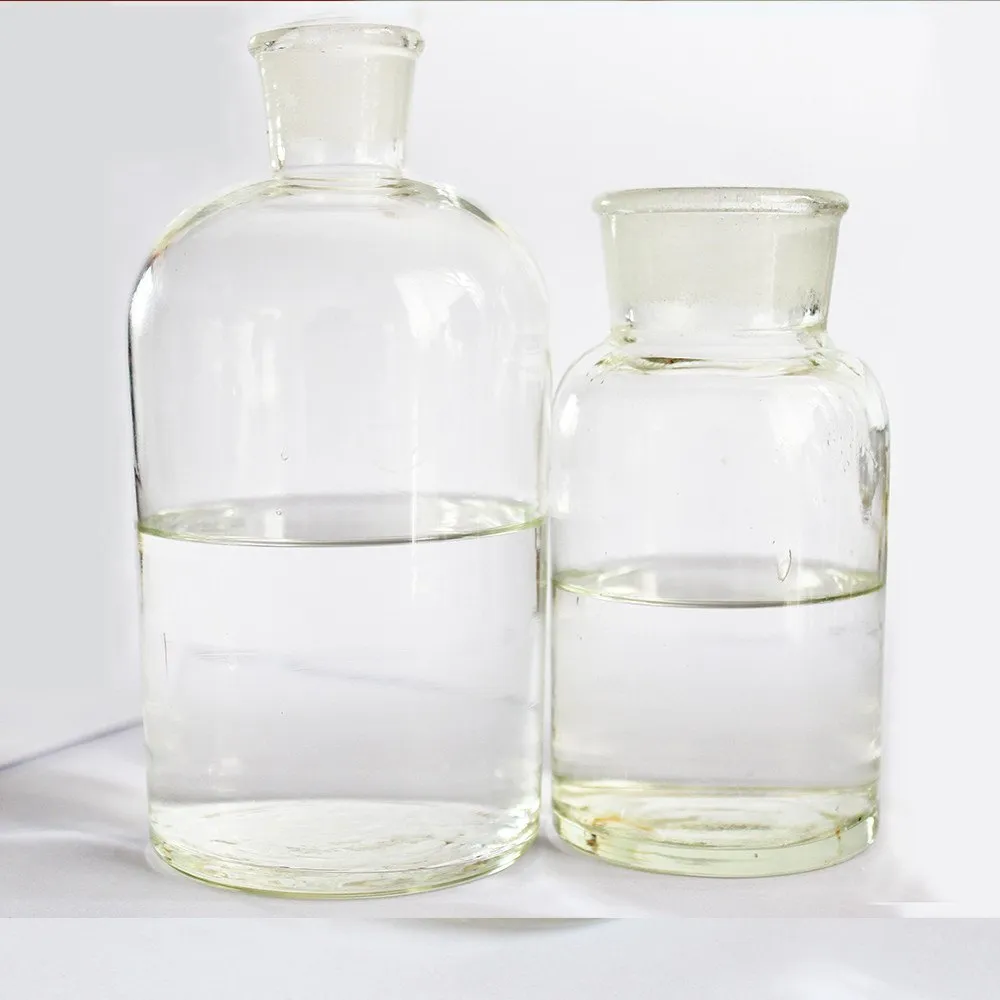
Methanol
Found this useful?