Isopropyl Alcohol (IPA): Applications in Pharmaceuticals, Cleaning and Manufacturing
Isopropyl Alcohol (IPA): Applications in Pharmaceuticals, Cleaning and Manufacturing
Understanding Isopropyl Alcohol
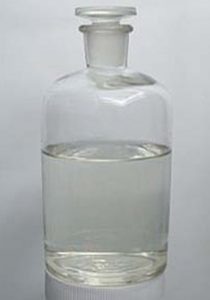
Isopropyl alcohol (IPA), with the chemical name 2-propanol and CAS number 67-63-0, is a colourless, volatile and flammable liquid. It mixes readily with water and many organic solvents, making it useful in cleaning products, pharmaceutical formulations and industrial processes.
IPA's effectiveness as a solvent comes from its ability to dissolve a range of organic substances, including certain oils, resins and residues. Its relatively rapid evaporation can also be advantageous when manufacturers need surfaces to dry quickly.
Global Isopropyl Alcohol Market Outlook
The global IPA market continues to attract attention from chemical manufacturers, distributors and industrial buyers as demand develops across healthcare, cleaning, electronics and manufacturing.
Grand View Research estimated the global isopropyl alcohol market at approximately US$2.8 billion in 2025, with an estimated value of US$3.0 billion in 2026. Its forecast projects the market reaching US$7.7 billion by 2033, representing a compound annual growth rate (CAGR) of 14.1% over 2026–2033. The report also identifies Asia-Pacific as the largest regional market by revenue in 2025. These are third-party estimates and projections, not confirmed future outcomes. Grand View Research — Isopropyl Alcohol Market
Several factors support demand:
Pharmaceutical production and healthcare-related cleaning requirements.
Industrial surface preparation and equipment maintenance.
Electronics manufacturing, where suitable IPA grades are used for selected cleaning tasks.
Demand for solvents in cosmetics, personal care and chemical formulations.
Continued use of IPA in industrial and commercial cleaning products.
However, market growth does not automatically translate into higher prices or stronger producer margins. Feedstock costs, regional capacity, plant operating rates, freight and purchasing patterns all influence commercial conditions.
Pharmaceutical Applications of Isopropyl Alcohol
1. Pharmaceutical Manufacturing
IPA is used as a solvent and processing aid in selected pharmaceutical manufacturing operations. Depending on the process, it can support ingredient dissolution, cleaning and the preparation of certain formulations.
Its role depends on the product design and the manufacturer's validated procedures. Buyers should confirm whether the material must meet a recognised pharmacopoeial specification, such as the United States Pharmacopeia (USP) or European Pharmacopoeia (Ph. Eur.), and whether additional supplier controls are required.
Pharmaceutical manufacturers often need detailed impurity data, batch traceability and documented quality systems. A general industrial specification may not meet these requirements.
2. Disinfectants and Antiseptic Products
IPA is an active ingredient in certain disinfectant and antiseptic formulations. Alcohol solutions in the appropriate concentration range can be used to disinfect selected small surfaces and equipment, subject to the product instructions and intended application.
The US Centers for Disease Control and Prevention notes that alcohol concentrations of approximately 60–90% by volume are commonly used for disinfecting certain small surfaces in healthcare settings. However, alcohol evaporates rapidly, which can make it difficult to maintain the required contact time on larger surfaces. Its compatibility with rubber, plastics and other materials must also be considered. CDC — Environmental Services and Infection Control
For manufacturers of antiseptic products, IPA quality, concentration, formulation controls and applicable regulatory requirements must be established before production.
3. Pharmaceutical Equipment and Process Cleaning
IPA can be used for selected cleaning tasks involving pharmaceutical equipment, tools and compatible surfaces. Its rapid evaporation can be useful where residual moisture needs to be minimised.
However, it should not be assumed that IPA alone is suitable for every pharmaceutical cleaning process. Cleaning effectiveness depends on the residue, surface material, cleaning procedure and validation requirements. Facilities should follow approved standard operating procedures and verify that the selected cleaning agent is suitable for the equipment and intended use.
4. Grade Selection and Quality Assurance
Pharmaceutical procurement requires a clear distinction between technical-grade IPA and material manufactured and controlled for pharmaceutical applications.
Depending on the intended use, buyers may need to verify:
Compliance with the applicable pharmacopoeial specification.
Limits for water content and relevant impurities.
Batch-specific Certificate of Analysis (CoA).
Supplier quality systems and traceability.
Manufacturing, storage and transport controls.
Regulatory documentation for the finished product and its market.
Shell, for example, offers an IPA grade manufactured according to Good Manufacturing Practice (GMP) for pharmaceutical excipients, with associated quality controls and traceability provisions. This illustrates why the manufacturing process and quality system can matter as much as the headline purity figure. Shell Chemicals — IPA GMP
Cleaning Applications Across Industries
1. Industrial Surface Cleaning
IPA is widely used in selected industrial cleaning products because it can dissolve many organic residues and evaporate quickly. Applications include cleaning compatible metal surfaces, tools, components and equipment.
Manufacturers may use IPA where a solvent is required to remove fingerprints, oils or other residues before assembly, inspection or subsequent processing.
The correct choice depends on the surface material, contaminant type and required cleanliness level. Testing is important because IPA may damage certain coatings, plastics, elastomers and finishes.
2. Electronics and Precision Components
Electronics manufacturers use suitable IPA grades for selected cleaning tasks involving circuit boards, connectors and precision components. Its solvent properties and relatively fast evaporation can help remove certain residues without leaving substantial solvent deposits when the process is properly controlled.
However, electronic assemblies may contain materials that are sensitive to alcohol or require specialised cleaning procedures. Buyers should check component-manufacturer guidance, material compatibility and any requirements for moisture or ionic contamination.
High-purity or electronics-specified IPA may be required for sensitive applications. Industrial-grade product should not be substituted without confirming that it meets the process specification.
3. Commercial and Institutional Cleaning
IPA is incorporated into selected glass cleaners, surface cleaners and other commercial formulations. Its volatility can help surfaces dry quickly, while its solvent properties support the removal of certain marks and residues.
In healthcare settings, the choice of cleaning agent and disinfectant must reflect the surface, the expected contamination and the required antimicrobial performance. Cleaning and disinfection are separate functions, and alcohol-based products are not effective against every type of microorganism.
Manufacturers should follow the approved formulation and product label rather than assuming that a higher alcohol concentration will always produce better results.
Manufacturing Applications Beyond Cleaning
1. Chemical Processing and Formulation
IPA is used as a solvent, diluent and processing aid in a variety of chemical manufacturing operations. It can help dissolve selected ingredients, adjust formulation properties or support the processing of resins and other organic materials.
Demand depends on the product being manufactured and the suitability of IPA compared with alternative solvents. Formulators must consider evaporation rate, solvent compatibility, occupational exposure and environmental requirements when choosing the material.
2. Paints, Coatings and Surface Preparation
Selected coatings and surface-preparation products use IPA as a solvent or cleaning agent. It can help remove certain residues before coating or bonding, where the substrate and process are compatible.
Its high volatility can support fast drying, but it may also affect application time and formulation behaviour. Coating manufacturers should evaluate the effect of IPA on film formation, adhesion and final performance.
3. Cosmetics and Personal Care
IPA is used in certain cosmetic and personal-care products, including selected lotions, fragrances and topical formulations. Its role depends on the product's intended function and formulation requirements.
Manufacturers should ensure that the selected grade and concentration are appropriate for the intended use and meet applicable cosmetic regulations. Product safety and quality depend on the complete formulation, not solely on the solvent used.
4. Laboratories and Industrial Testing
Laboratories use IPA in selected analytical, cleaning and preparation procedures. The required grade varies according to the test method and the risk of interference from impurities.
For analytical work, reagent specifications and test-method requirements should take priority over price alone. Buyers should also confirm packaging integrity and traceability to prevent contamination.
Key Factors Influencing IPA Demand
Growth in Healthcare and Pharmaceutical Manufacturing
Healthcare-related applications support demand for suitable IPA grades in disinfectant products, equipment cleaning and selected pharmaceutical processes. The quality requirements are particularly important where IPA is used in regulated products or controlled manufacturing environments.
Electronics Manufacturing
Production of electronic components and precision equipment creates demand for cleaning solvents that meet defined purity and compatibility requirements. This segment can be commercially attractive for suppliers capable of maintaining consistent quality and providing detailed technical documentation.
Industrial Production and Maintenance
Manufacturing output influences consumption of IPA in surface preparation, equipment cleaning and chemical formulation. When industrial production increases, solvent use may rise, although the effect depends on the specific industries and cleaning methods involved.
Regulatory and Environmental Considerations
Companies are increasingly assessing solvent use through the combined lenses of product performance, worker safety, emissions and waste management.
IPA's volatility and flammability require appropriate controls. Manufacturers may also compare it with alternative solvents to meet internal environmental targets or regulatory requirements. The result is not necessarily a universal shift away from IPA, but a greater emphasis on selecting the right solvent for each process.
Procurement Guide: How to Source the Right IPA
Determine the Required Grade
The first step is to define the application and select an appropriate grade. Industrial cleaning, electronics cleaning, laboratory testing and pharmaceutical manufacturing can have substantially different requirements.
A specification should state the required purity, concentration and relevant impurity limits. Pharmaceutical or other regulated applications may require compliance with a particular standard and evidence of the supplier's quality controls.
Request Technical Documentation
Before approving a supplier, procurement teams should request the relevant documentation:
Certificate of Analysis for each batch.
Safety Data Sheet (SDS).
Technical Data Sheet or product specification.
CAS number and product-grade identification.
Applicable pharmacopoeial or regulatory compliance declarations.
Batch traceability and quality-management information.
The documents should be reviewed against the actual intended use. A high stated purity does not, by itself, establish suitability for pharmaceutical or electronic applications.
Compare Packaging and Delivery Options
IPA can be supplied in smaller containers, drums, intermediate bulk containers and bulk deliveries, depending on the supplier and market. The correct format depends on consumption volume, storage capacity and transfer equipment.
Packaging and transport arrangements must be suitable for a flammable liquid. Buyers should confirm container compatibility, closure integrity, labelling, delivery requirements and whether the supplier can maintain product quality throughout transport.
Assess Supplier Reliability and Total Cost
A competitive purchase price is only one part of the sourcing decision. Procurement teams should compare:
Delivered cost, including freight and applicable duties.
Product consistency and documentation quality.
Lead times and order-size flexibility.
Supplier production capacity and continuity plans.
Packaging options and storage requirements.
Technical support and responsiveness to quality issues.
For pharmaceutical or other tightly controlled applications, supplier qualification and quality assurance should carry significant weight in the purchasing decision.
Safety, Storage and Handling
Isopropyl alcohol is a highly flammable liquid. Its vapours can form ignitable mixtures with air, and exposure may irritate the eyes and respiratory system or cause dizziness and drowsiness at elevated concentrations. CDC/NIOSH — Isopropyl Alcohol Hazards
Industrial facilities should follow the product SDS and site-specific risk assessment. Appropriate controls generally include:
Adequate ventilation and measures to limit vapour accumulation.
Elimination or control of ignition sources.
Suitable closed containers and compatible transfer systems.
Appropriate chemical-resistant gloves and eye protection.
Safe handling, spill response and waste-disposal procedures.
Segregation from incompatible substances, including strong oxidisers.
Storage areas should be designed for flammable liquids and comply with applicable fire and workplace safety requirements. Bulk users should also review transfer procedures, bonding and grounding where required, and emergency arrangements.
Sources and Further Reading
Isopropyl Alcohol (IPA) (99.7%) - China
Found this useful?