
J&J ICOTYDE Two-Year Psoriasis Data Drives Demand for High-Purity APIs
Johnson & Johnson recently reported exceptional two-year clinical data for its oral therapy ICOTYDE (icotrokinra). The treatment sustains skin clearance through week 112 in patients with high-impact plaque psoriasis. This milestone represents a major breakthrough in targeted dermatological treatments. For chemical traders and procurement managers, this clinical success signals a direct increase in demand for specialized active pharmaceutical ingredients. The development of highly effective oral therapies requires rigorously purified synthesis intermediates and excipients. Global supply chains must adapt immediately to support this expanding therapeutic pipeline. Buyers sourcing pharmaceutical raw materials must secure reliable partners capable of meeting stringent regulatory purity standards. This shift demands proactive sourcing strategies from global procurement teams. Commercialization of such complex small molecules relies heavily on robust upstream chemical manufacturing.
Clinical Efficacy and the ICONIC-TOTAL Trial Milestones
The phase data highlights the potent efficacy of this targeted oral therapy. Researchers observed sustained skin clearance through week 112 in the ICONIC-TOTAL trial. Patients achieved strong clearance rates at difficult-to-treat sites like the scalp, genitals, hands, feet and nails.
Such durable responses validate the complex chemical architecture of the drug. Oral small molecule inhibitors require precise stereochemical synthesis. The active pharmaceutical ingredient must remain highly stable in solid dosage forms. Procurement teams must source intermediates that guarantee this precise chemical behavior. Manufacturing consistency directly impacts the clinical outcomes observed in these extended trials.
Global health authorities closely monitor these trial results to establish new treatment guidelines. Widespread adoption of this therapy will immediately scale up the demand for its core chemical components. Pharmaceutical manufacturers must prepare their supply chains for this inevitable volume increase.
Key Chemical Components Driving Oral API Manufacturing
The production of icotrokinra relies on several critical chemical building blocks. Manufacturing facilities require a steady influx of high-grade raw materials. Any disruption in this supply chain can delay vital dermatological treatments.
Active Pharmaceutical Ingredients: These complex molecules require specialized synthesis and dedicated handling facilities. Manufacturers must source these compounds exclusively from vendors with strict containment protocols. Consistent chemical purity prevents catastrophic batch failures during the final crystallization process.
Specialized Solvents: High-purity solvents facilitate critical reaction steps and purification phases. Suppliers must provide these liquids with exact moisture and residue specifications. Procurement teams should rigorously verify the certificate of analysis for every solvent shipment.
Formulation Excipients: Binders and fillers actively protect the final drug product. High-purity grades of these chemicals prevent dangerous degradation during long-term storage. Sourcing these excipients from fully qualified vendors ensures strict regulatory compliance across all global markets.
pH Adjusters: Buffering agents maintain optimal stability during the manufacturing process. Chemical suppliers must provide these agents with strict lot-to-lot consistency. Buyers should request detailed analytical certificates to verify the absence of heavy metals.
Supply Chain Challenges for Pharmaceutical Raw Materials
Sourcing chemicals for advanced oral therapies presents unique logistical hurdles. The complexity of targeted synthesis requires dedicated manufacturing suites. Vendors must invest heavily in specialized infrastructure to produce these materials safely.
Regulatory scrutiny continues to intensify for dermatological drug components. Buyers must conduct rigorous audits of their chemical suppliers. Documentation must trace every raw material back to its original source.
This level of transparency is non-negotiable for global health authorities. Geopolitical factors also impact the availability of specialized chemical precursors. Procurement managers must diversify their supplier base to mitigate regional risks.
Establishing secondary sourcing channels prevents catastrophic production halts. Companies should evaluate vendors based on their geographic footprint and financial stability. A resilient supply chain is the most valuable asset in modern pharmaceutical manufacturing.
Freight forwarding partners must also possess specific expertise in handling temperature-sensitive chemical shipments. Proper customs classification prevents costly delays at international borders.

The Role of Advanced Intermediates in Small Molecule Synthesis
Pharmaceutical manufacturing relies heavily on foundational chemical building blocks. Advanced intermediates serve as critical components in the multi-step synthesis of targeted inhibitors. These molecules support the stable progression of complex chemical reactions.
Consistent quality of these raw materials directly impacts final API yield and purity. Procurement teams must source intermediates with certified low impurity profiles. Any variation in raw material quality can alter the entire synthesis outcome.
Buffer systems maintain the optimal pH during complex crystallization reactions. Chemical suppliers must provide these buffering agents with strict lot-to-lot consistency. Buyers should request detailed analytical certificates to verify the absence of trace contaminants.
Securing a reliable supply of these foundational chemicals prevents costly batch rejections. Procurement managers should establish long-term agreements with manufacturers demonstrating rigorous quality control. This proactive strategy ensures uninterrupted production of life-saving dermatological therapies.
Continuous flow chemistry is also gaining traction in this sector. This advanced manufacturing method requires highly specific solvent grades and catalyst precursors.
Quality Assurance and Regulatory Compliance
The sustained skin clearance through week 112 sets a high bar for clinical expectations. Meeting this standard requires flawless execution in chemical manufacturing. Impurities in intermediate materials can compromise drug safety and efficacy.
Suppliers must adhere to current Good Manufacturing Practice guidelines. Analytical testing protocols must detect trace contaminants at parts-per-million levels. Procurement teams should mandate comprehensive impurity profiles with every delivery.
Investing in robust quality assurance systems protects the entire supply chain. Buyers who prioritize quality over minor cost savings avoid expensive regulatory delays. This proactive approach safeguards patient safety and maintains corporate reputation.
Regular third-party audits further validate the capabilities of chemical manufacturers. Procurement professionals must view quality documentation as a critical contractual requirement.
Change control procedures must also remain strictly documented. Any modification in the synthesis route requires immediate notification to downstream buyers.
Strategic Sourcing for the Future of Dermatological Therapeutics
The dermatology sector will continue to drive massive innovation in targeted drug delivery. Oral small molecule inhibitors represent the fastest-growing segment within this highly specialized therapeutic area. Chemical suppliers must actively align their production capacities with these aggressive market trends.
Procurement teams should engage with specialized suppliers early in the drug development lifecycle. Early involvement allows for collaborative process optimization and significant cost reduction. This partnership model yields substantial long-term benefits for both the buyer and the supplier.
Buyers must also stay informed about emerging synthesis technologies and novel crystallization methods. Understanding the underlying chemical science behind these drugs drastically improves sourcing decisions. Knowledgeable procurement professionals can identify potential supply bottlenecks long before they occur.
Building a robust network of trusted chemical partners ensures absolute operational continuity. This strategic foresight clearly separates industry leaders from reactive market followers.
Digital procurement platforms now offer enhanced visibility into global chemical inventory levels. Utilizing these tools allows buyers to secure materials before market shortages develop.
The Bottom Line for Procurement Teams
The clinical success of ICOTYDE underscores the rapid growth of the targeted dermatology market. Sustained skin clearance through week 112 in high-impact plaque psoriasis validates this complex therapeutic approach. Chemical suppliers must scale their operations to meet the rising demand for specialized pharmaceutical ingredients.
Procurement managers must act decisively to secure reliable sources for advanced intermediates and specialized solvents. Building strategic partnerships with qualified vendors ensures uninterrupted manufacturing schedules. Companies that master this complex supply chain will gain a distinct competitive advantage.
Ready to source Glycine from verified global suppliers? Explore competitive offers on our platform today.
Source: https://chemxplore.com/news/icotyde-icotrokinra-plaque-psoriasis-durability
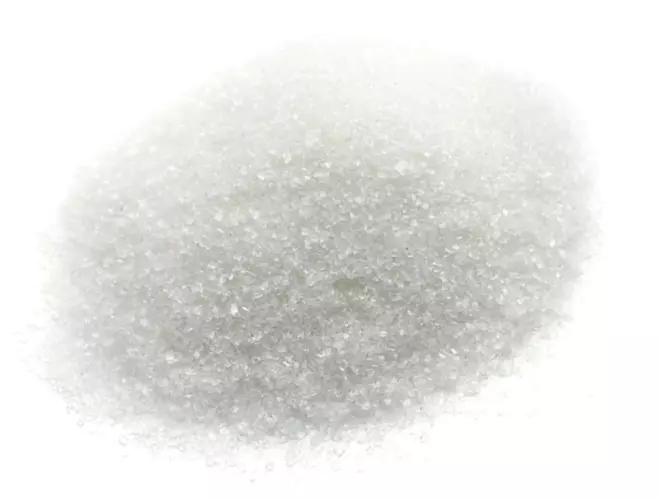
Glycine (E640)
Found this useful?