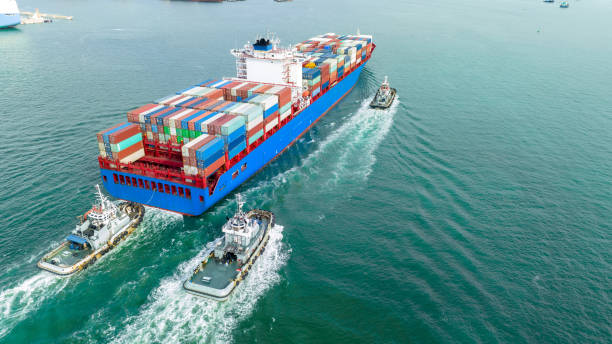
Joint War Committee Expands High‑Risk Zone to Encompass the Entire Persian Gulf
The New High‑Risk Designation
The Joint War Committee, a key body that monitors conflict‑related maritime risks, has announced an expansion of its high‑risk zone to include the entire Persian Gulf. This decision follows a series of escalating geopolitical tensions and a surge in maritime incidents in the region. By redefining the risk envelope, the Committee signals that all vessels transiting the Gulf are now subject to its stringent war‑risk insurance protocols.
Impact on Chemical Shipping
Chemical carriers, which routinely transport hazardous cargo across the Gulf, face significant operational challenges. The Committee’s update triggers mandatory war‑risk insurance coverage for all chemical shipments, a requirement that was previously limited to high‑peril routes outside the Gulf. This change affects:
Risk assessment: carriers must now evaluate the increased probability of armed conflict and sabotage.
Insurance costs: premiums are projected to rise by 15–20% for tankers carrying chemicals.
Compliance: operators must file updated certificates with insurers and maritime authorities.
These factors compel shipping lines to revisit their routing strategies, cargo segregation plans, and emergency response protocols.
Insurance & Regulatory Adjustments
Marine insurers are recalibrating their underwriting models to reflect the broader high‑risk zone. Key adjustments include:
Premium recalculations: Base rates for Gulf routes are elevated, with additional surcharges for cargoes classified as hazardous.
Policy clauses: New terms incorporate mandatory conflict‑risk coverage, contingent liability limits, and stricter loss‑occurrence thresholds.
Regulatory alignment: Shipping companies must submit proof of compliance to Gulf maritime administrations and the International Maritime Organization (IMO).
These changes are expected to cascade through the supply chain, influencing contractual terms between shippers, freight forwarders, and ports.
Freight Cost Implications
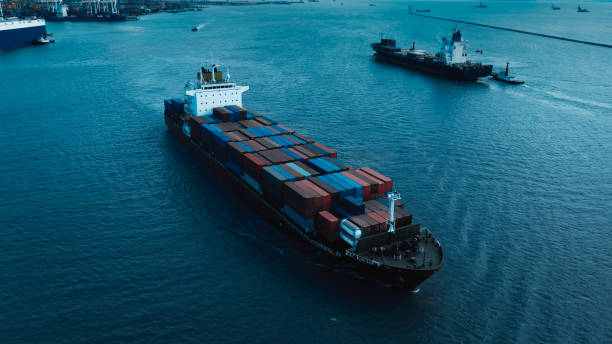
Freight rates across the Gulf have begun to reflect the heightened insurance burden. Analysts predict a 10–12% increase in spot charter rates for tanker operations. Factors contributing to this rise include:
Higher insurance premiums absorbed by shippers.
Increased risk‑adjusted capital costs for vessel owners.
Demand–supply dynamics, as some operators defer non‑urgent cargoes.
Consequently, downstream industries—particularly those relying on petrochemicals—may experience price volatility, prompting a reevaluation of inventory and sourcing strategies.
Strategic Responses for Gulf Logistics Operators
To mitigate the impacts, logistics providers are adopting several proactive measures:
Route diversification: Exploring alternative passages such as the Strait of Hormuz, the Gulf of Oman, or even the Red Sea‑Suez Canal corridor to reduce exposure.
Technological integration: Deploying real‑time threat monitoring systems and predictive analytics to anticipate conflict escalations.
Collaborative risk sharing: Forming consortiums to pool insurance coverage and share best practices.
Regulatory liaison: Engaging with Gulf state authorities to secure expedited clearances and emergency assistance agreements.
These strategies aim to preserve operational continuity while balancing cost and compliance.
Future Outlook
While the Joint War Committee’s expansion signals heightened caution, the long‑term trajectory of maritime risk in the Persian Gulf remains uncertain. Factors that could influence future developments include:
Diplomatic negotiations and ceasefire agreements between regional actors.
Technological advancements in vessel hardening and defensive systems.
Shifts in global energy demand that alter shipping patterns.
Stakeholders must remain vigilant, khách adapt, and maintain robust risk management frameworks to navigate the evolving landscape of maritime security in the Gulf.
Calcium Carbonate (Feed Grade)
Found this useful?