The renewed geopolitical focus on the Strait of Hormuz has led many pharmaceutical buyers to reassess supply chain risks across the Middle East. However, not every regional supplier depends on the same shipping corridor. For Jordan's antibiotic API industry, export logistics are built around Aqaba Port and the Red Sea, making the current Red Sea security environment the more significant operational concern.
For hospital pharmacy procurement teams sourcing amoxicillin oral suspension, understanding this distinction is essential. Jordan supplies 48% of global amoxicillin oral suspension API volume, making uninterrupted logistics through the Red Sea and Suez corridor a critical component of global pharmaceutical supply.
Jordan's API Exports Follow the Red Sea Route
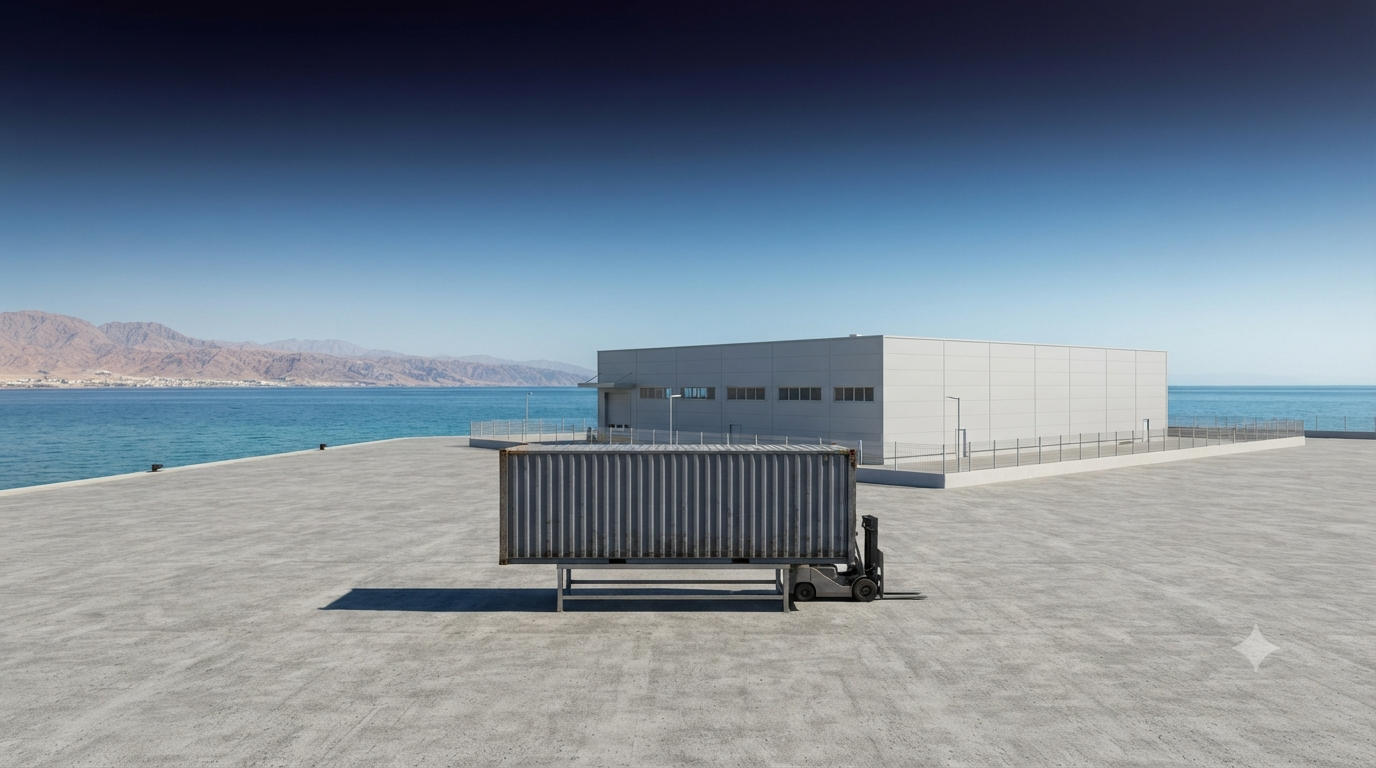
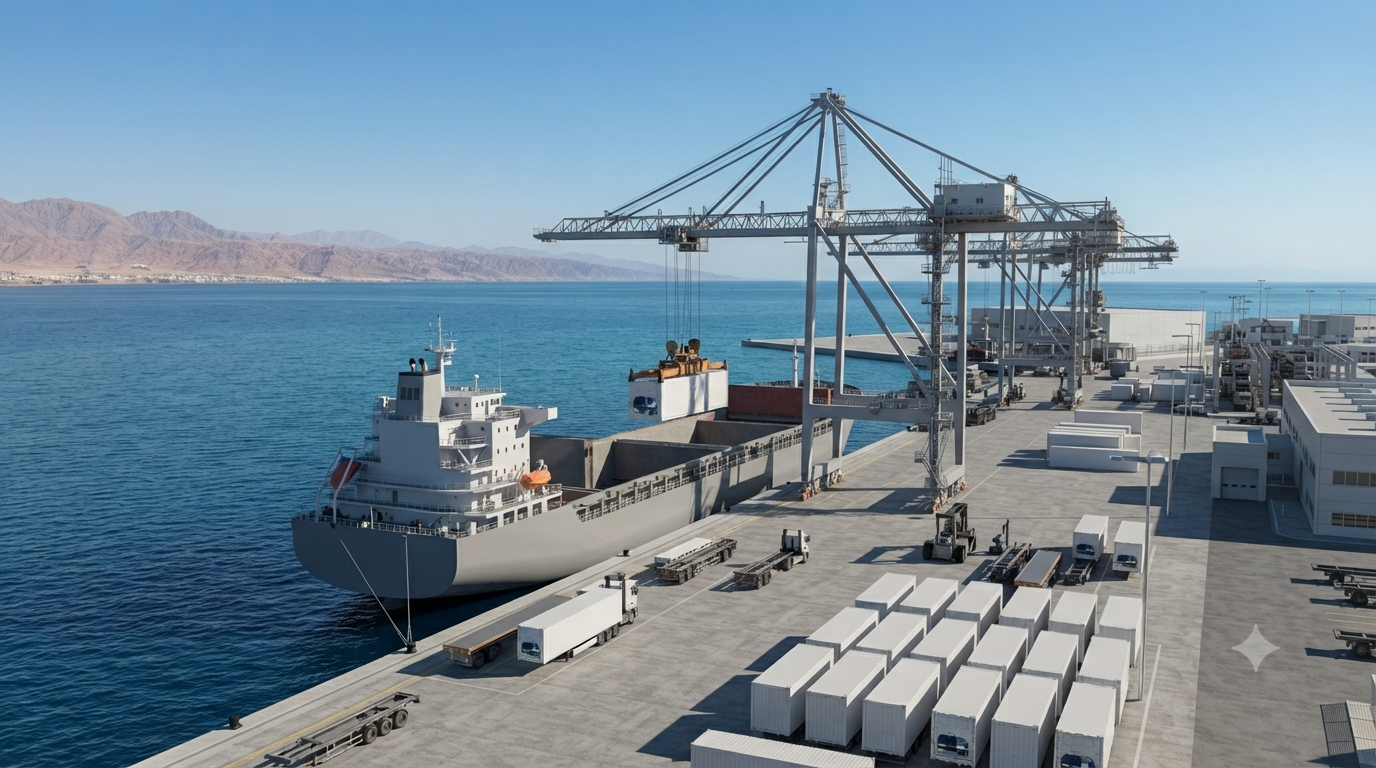
Jordan's principal maritime gateway is Aqaba Port on the Red Sea. Export shipments destined for Europe, Africa and many international markets typically move through the Red Sea before entering the Suez Canal.
This logistics network differs fundamentally from supply chains that rely on the Strait of Hormuz.
As a result, diplomatic developments affecting Hormuz have limited direct influence on Jordan's outbound pharmaceutical exports.
Hormuz and the Red Sea Present Different Supply Risks
Although both corridors support global trade, they serve different shipping networks and face different operational challenges.
The recent collapse of the July 8 ceasefire surrounding Hormuz has increased attention on Gulf shipping. However, Jordan's antibiotic API exports continue to depend primarily on the Red Sea corridor.
Meanwhile, Red Sea shipping remains affected by security concerns linked to resumed Houthi attacks, creating a separate layer of logistics uncertainty for exporters using this route.
For procurement professionals, combining these two risks into a single assessment can lead to incorrect sourcing decisions.
Why This Matters for Amoxicillin Supply
Jordan occupies a strategically important position in the global supply of amoxicillin oral suspension APIs.
When a supplier represents a substantial share of worldwide production, transportation reliability becomes nearly as important as manufacturing capacity.
Procurement teams should therefore evaluate:
Manufacturing continuity within Jordan.
Port operations at Aqaba.
Vessel availability through the Red Sea.
Shipping schedules across the Suez corridor.
Inventory coverage at downstream manufacturing facilities.
These factors provide a more accurate picture of supply resilience than monitoring Hormuz developments alone.
Logistics Costs May Still Change
Although Hormuz disruptions do not directly determine Jordan's export route, broader energy market movements can still influence freight costs.
Higher bunker fuel prices, insurance premiums and shipping market volatility may increase total landed costs for pharmaceutical ingredients moving through international trade lanes.
Procurement planning should therefore distinguish between route availability and transportation cost, as each responds differently to geopolitical events.
Building More Resilient Procurement Strategies
Healthcare procurement teams benefit from focusing on logistics visibility rather than reacting solely to headlines.
Practical actions include:
Confirm shipment schedules from Jordanian suppliers.
Monitor transit times through the Red Sea and Suez Canal.
Maintain communication with freight forwarders and logistics providers.
Review inventory levels against expected delivery windows.
Identify qualified secondary suppliers where appropriate.
These measures help reduce operational uncertainty without disrupting established sourcing relationships.
Supplier Communication Is Increasingly Important
Strong supplier partnerships provide valuable insight during periods of geopolitical uncertainty.
Procurement professionals should discuss:
Current export schedules.
Available inventory.
Alternative shipping arrangements if required.
Expected transit times.
Contingency planning for delayed vessel departures.
Early communication allows hospitals and pharmaceutical manufacturers to respond before logistics issues affect production or patient supply.
Looking Beyond Headlines
Geopolitical developments rarely affect every supply chain in the same way. The pharmaceutical industry increasingly depends on understanding the specific transportation corridor supporting each supplier.
For Jordan's antibiotic API exports, the key constraint remains the security and operational stability of the Red Sea and Suez route. Diplomatic developments surrounding the Strait of Hormuz, whether positive or negative, do not resolve the logistics challenges facing Jordanian exports.
Procurement decisions based on corridor-specific risk assessments will provide greater supply resilience than broad regional assumptions.
What Pharmaceutical Buyers Should Do Now
Current market conditions reinforce the need for targeted logistics planning rather than generalized geopolitical responses.
Hospital pharmacy procurement teams should:
Confirm shipment schedules for Jordanian antibiotic API suppliers.
Review inventory coverage for amoxicillin oral suspension production.
Monitor Red Sea and Suez shipping conditions independently of Hormuz developments.
Coordinate closely with logistics partners regarding transit times.
Maintain contingency sourcing plans for critical antibiotic products.
Understanding the distinction between the Red Sea and Hormuz trade corridors allows procurement teams to make better informed sourcing decisions while maintaining continuity of essential antibiotic supplies.
Ready to source antibiotic APIs from verified global suppliers? Explore competitive offers on our platform today.