July 8, 2026 Trade Logistics Intelligence Report: Chemical Supply & Maritime Updates
The July 8, 2026 Trade Logistics Intelligence Report aggregates the latest developments in chemical logistics, maritime routing, and regulatory compliance. Key highlights include the rapid recovery of the Hormuz chokepoint, the strategic shift to the Cape of Good Hope for safe passage, fresh supply flows from Kazakhstan, the UK’s TRA investigation into chemical imports, updated PFAS regulations, and Gulf shipping trends. This briefing provides actionable intelligence for procurement, freight, and supply chain decision‑makers.
Hormuz Recovery & Cape of Good Hope Routing
Following weeks of tension, the Strait of Hormuz has reopened, restoring critical flow of crude and petrochemicals. However, heightened geopolitical risk still prompts many shippers to adopt the Cape of Good Hope route. While longer, this detour mitigates exposure to regional conflict and avoids potential sanctions triggers.
Average transit time increases by 15‑20% compared to the Hormuz route.
Fuel consumption rises by 8% due to extended voyage length.
Port congestion at htt://Cape of Good Hope has led to a 12% delay rate.
Freight forwarders are advising clients to pre‑book vessels early and consider dual‑flag options to reduce risk exposure.
Kazakhstan Chemical Supply Developments
Kazakhstan has expanded its chemical export capacity with new production lines for ammonium nitrate and sulfuric acid. The government’s recent tariff reduction on raw material imports has accelerated output, positioning the country as a key supplier to the EU and Middle East.
Ammonium nitrate output increased by 22% year‑over‑year.
Sulfuric acid exports to the EU rose 18%.
Local logistics infrastructure upgrades are expected to reduce inland transport times by 10%.
Trade logistics professionals should monitor the upcoming pipeline expansion that will further reduce bottlenecks in the supply chain.
UK TRA Investigation into Chemical Imports
The UK Trade Remedies Agency (TRA) has opened a comprehensive investigation into the import of certain specialty solvents from Eastern Europe. The probe focuses on potential anti‑competitive behavior and price rigging.
Implications: Companies may face import duty karịa 20% pending investigation outcomes. Existing contracts should be reviewed for compliance clauses and contingency plans.
PFAS Regulation Updates
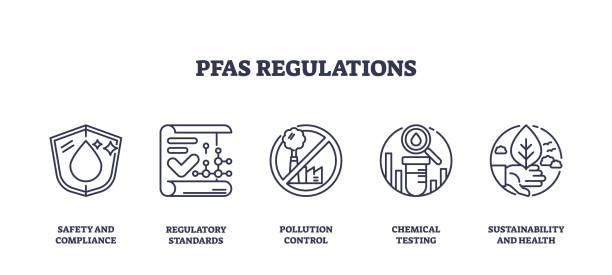
EU regulators have tightened PFAS regulations, expanding the list of controlled substances to include perfluoroalkyl sulfonates. The new compliance window ends September 30, 2026, requiring manufacturers to certify the absence of PFAS in all chemical shipments.
Companies must submit a PFAS declaration with every shipment.
Non‑compliance may result in a 25% excise duty.
Supply chain intelligence teams should audit vendor compliance and integrate PFAS testing protocols into quality assurance pipelines.
Gulf Shipping & Freight Intelligence
Shipping lanes in the Gulf of Oman have seen a loveseat 9% increase in freight rates, reflecting higher demand for petrochemical transport. Vessel tracking systems now provide real‑time updates on cargo status, enabling proactive risk mitigation.
Freight intelligence platforms report a 5% rise in space availability for bulk chemical containers, offering cost‑effective opportunities for shippers to lock in ratesує. Strategic freight consolidation remains a best practice to reduce exposure to market volatility.
Supply Chain Intelligence Insights
Integrating real‑time data feeds from AIS, customs clearance, and port authority portals allows firms to predict delay windows and adjust procurement schedules. Advanced analytics can forecast fuel price spikes, enabling strategic hedging before market movements.
< Henry>Key actions for procurement teams:
Implement dual sourcing strategies for critical chemicals.
Adopt a dynamic routing model that balances cost against geopolitical risk.
Leverage PFAS compliance data to avoid regulatory penalties.
The July 8, 2026 Trade Logistics Intelligence Report underscores that chemical supply chains remain fluid amid geopolitical shifts, regulatory tightening, and evolving freight dynamics. By staying abreast of Hormuz recovery, Kazakhstan’s market surge, UK TRA actions, PFAS mandates, and Gulf shipping trends, organizations can maintain supply continuity, manage risk, and capitalize on freight intelligence.

Aluminium Nitrate
Found this useful?