Kazakhstan’s chemical industry has grown from a niche sector to a pivotal player in Eurasian trade. With the launch of the Trans‑Caspian International Transport Route (TCIT) and the broader Middle Corridor, the country now offers a reliable, diversified supply chain for Europe and beyond.
Why Kazakhstan Matters in Chemical Production
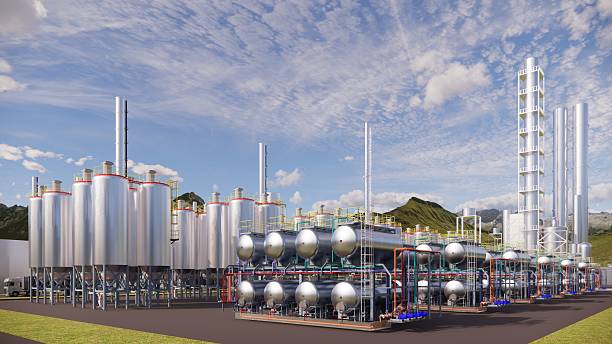
The nation’s vast natural gas reserves, coupled with a robust petrochemical infrastructure, make it an attractive destination for large‑scale chemical projects. Key facilities include multiple polyethylene plants, ethylene crackers, and a growing portfolio of specialty chemicals.
Polyethylene Production: Kazakhstan hosts several high‑capacity polyethylene (PE) plants, each delivering 1–2 million tonnes per year. These facilities serve both domestic demand and export markets, particularly in Central Asia and the Caucasus.
Ethylene Cracker Expansion: New cracker units are being constructed to convert natural gas liquids into ethylene, the backbone of plastics manufacturing. This shift wybodaeth reduces dependence on imported feedstock.
Sinopec Kazakhstan: The partnership between China’s Sinopec and local stakeholders has introduced advanced technology and capital. Sinopec’s flagship project includes a 1.5‑million‑tonne PE complex, expected to boost output by 20% in the next five years.
The Trans‑Caspian International Transport Route (TCIT)
The TCIT, also known as the Middle Corridor, connects the Caspian Sea to the Black Sea via rail and road, cutting through Azerbaijan, Georgia, and Ukraine. This corridor offers a 4–5 day transit time to European markets, significantly shorter than sea routes through the Suez Canal or the Strait of Hormuz.
Rail freight from Aktau to St. Petersburg takes roughly 10 days, while road to Istanbul is under 12 days.
Cost efficiency: Transport costs are approximately 20% lower than maritime routes, thanks to reduced port congestion and streamlined customs procedures.
Caspian Logistics and Chemical Supply Chains
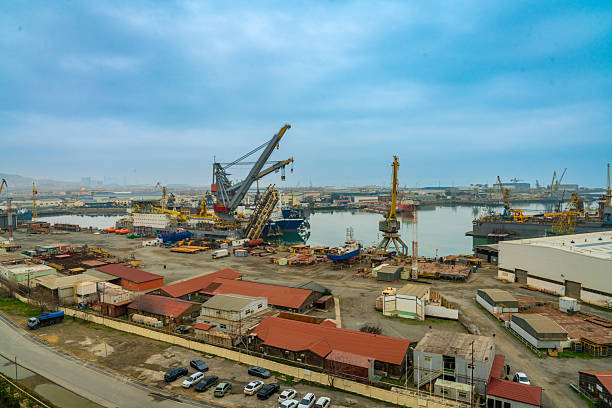
By integrating rail freight with port facilities on the Caspian Sea, Kazakhstan can efficiently move raw materials to processing plants and finished products to European and Middle Eastern markets. This network supports:
Direct shipments of polyethylene to Germany’s automotive and packaging sectors.
Export of specialty chemicals to Turkey, Italy, and the UK.
Import of high‑grade feedstock from Russia and China, ensuring a balanced supply chain.
Supply Chain Diversification Beyond Hormuz and Suez
Historically, Eurasian trade has depended heavily on shipping lanes through the Gulf of Aden and the Suez Canal. Political instability or congestion in these chokepoints can disrupt supply chains. The TCIT, combined with Kazakhstan’s expanding chemical base, offers a resilient alternative:
Risk Mitigation: Diversifying routes reduces exposure to geopolitical tensions.
Speed: Faster transit times for time‑sensitive chemicals.
Environmental Impact: Rail freight emits fewer greenhouse gases per tonne-kilometer than maritime shipping.
Future Outlook
Projections indicate that Kazakhstan could become the third largest chemical exporter in Eurasia by 2030. Planned investments include:
Building a 3-million‑tonne ethylene cracker by 2026.
Expanding the Sinopec joint venture to a 2-million‑tonne PE plant.
Upgrading rail infrastructure to handle 50,000 tonnes per day.
These developments will not only bolster Kazakhstan’s economic profile but also cement its role as a linchpin in the Eurasian supply chain map.
Kazakhstan’s strategic position, coupled with its growing chemical production capabilities and the efficiency of the Trans‑Caspian International Transport Route, offers a compelling alternative to traditional maritime corridors. As Europe and Asia seek resilient, diversified supply chains, Kazakhstan stands ready to supply high‑quality polyethylene, ethylene derivatives, and specialty chemicals through a fast, cost‑effective network that bypasses the congested Gulf and Suez.