Kuwait Petroleum Facility Strike: New Commodity Supply Risks for Chemical Buyers
An Iranian strike on a Kuwait Petroleum Corp. oil facility this Saturday introduces a critical new node of commodity supply risk for global chemical markets. Kuwait serves as a foundational pillar for Middle Eastern petrochemical production and refining. Disruptions at this specific node immediately ripple through downstream chemical feedstock availability and pricing structures.
Procurement managers and chemical traders must rapidly evaluate their exposure to Gulf region supply chains. The physical damage to refining infrastructure directly threatens naphtha and ethane yields. Buyers relying on consistent regional exports face immediate pricing volatility and potential allocation shortages.
Market sentiment shifts instantly when kinetic events target major energy infrastructure. Traders price in the risk of broader regional escalation before physical shortages even materialize. This psychological premium embeds itself into every futures contract and spot transaction.
Direct Impact on Petrochemical Feedstock Yields
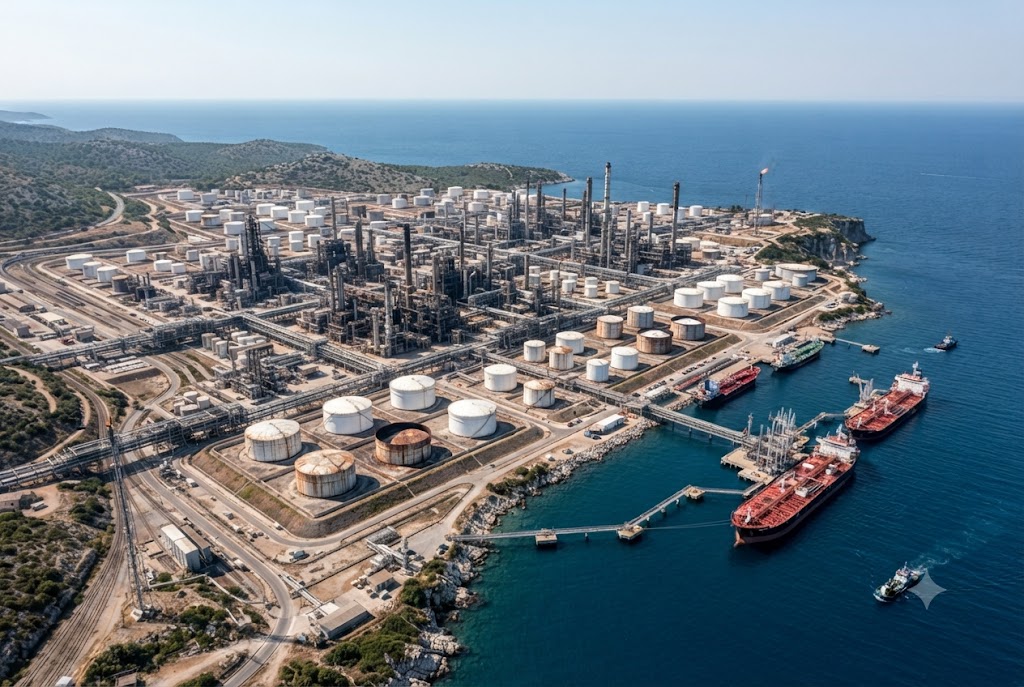
Kuwait Petroleum Corp. operates highly integrated refining and petrochemical complexes. A strike on these facilities disrupts the delicate balance of fuel and chemical production. Refiners prioritize gasoline and diesel output during regional crises to meet domestic energy demands.
This operational shift automatically reduces the volume of naphtha available for chemical cracking. Ethylene and propylene producers dependent on Kuwaiti naphtha will feel this squeeze first. The Petrochemical Industries Company in Kuwait is a major global exporter of methanol and polyolefins.
Any production curtailment at their upstream facilities forces immediate downstream rationing. Buyers must prepare for suppliers to invoke force majeure clauses to manage their own inventory deficits. This creates a cascading effect across multiple derivative markets and halts new order bookings.
Regional Market Volatility and Pricing Shifts
Market participants react instantly to kinetic events in major oil-producing nations. Crude oil benchmarks spike as traders price in the risk of broader regional escalation. This initial shockwave elevates the baseline cost for all petroleum-derived chemicals globally.
Asian buyers represent the largest consumer base for Kuwaiti chemical exports. These importers will likely face aggressive supply rationing from their traditional Gulf partners. Contract fulfillment becomes secondary to domestic supply security and facility recovery efforts.
Spot prices for methanol and polyethylene will decouple from historical averages. Buyers must prepare for premium pricing as alternative suppliers capitalize on the sudden supply deficit. The market will remain highly sensitive to any further geopolitical developments or secondary strikes.
Logistics and Freight Complications in the Gulf
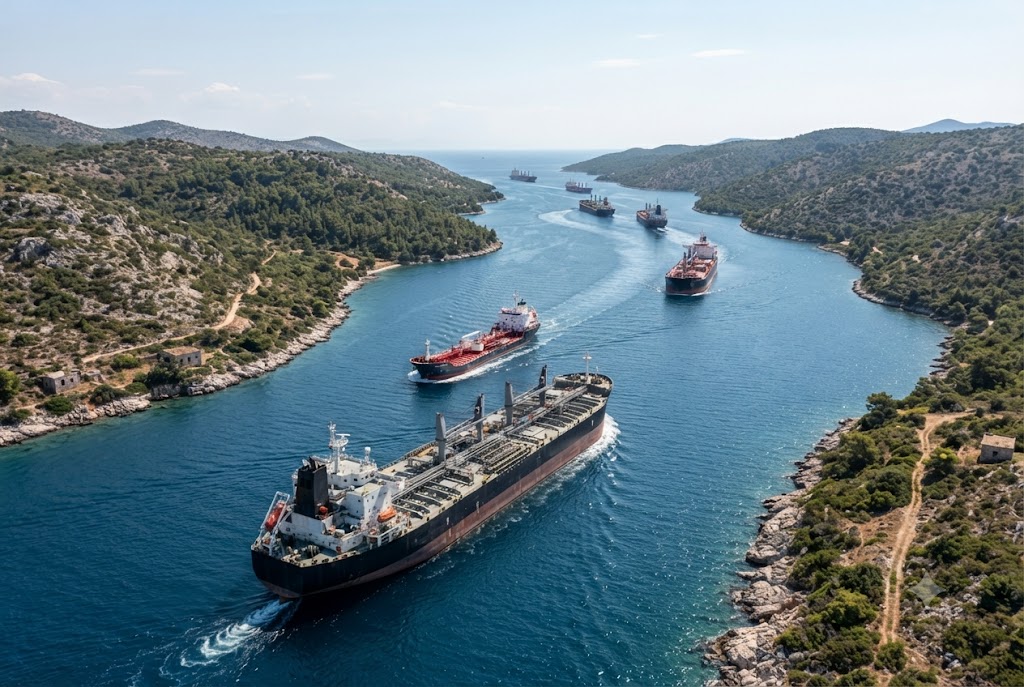
Beyond physical production losses, maritime logistics face severe disruption. Shipping lines operating out of Kuwaiti ports like Shuaiba and Mina Al-Ahmadi will implement heightened security protocols. These measures inevitably slow down loading operations and vessel turnaround times significantly.
Marine insurance underwriters will reassess war risk premiums for the entire northern Gulf region. Vessel operators will demand higher freight rates to compensate for the elevated threat level. This adds a significant hidden cost to every imported chemical shipment.
Buyers managing just-in-time inventory systems will experience compounding delays. The combination of reduced production and slower shipping creates a perfect storm for supply chain bottlenecks. Demurrage charges will accumulate rapidly for vessels waiting at anchor outside the conflict zone.
Alternative Sourcing Strategies for Procurement Teams
Chemical buyers cannot control geopolitical conflicts. They must proactively adapt their sourcing strategies to mitigate exposure to single points of failure. Diversification remains the most effective defense against regional supply shocks.
Procurement teams should immediately activate secondary suppliers in geographically stable regions. North American ethane-based producers offer a reliable alternative to Middle Eastern naphtha derivatives. European buyers should also evaluate domestic recycling streams or bio-based polymer options.
Contract structures require immediate revision to handle this new reality. Fixed-price agreements leave buyers completely exposed to sudden market spikes. Hybrid contracts with transparent feedstock indexation provide better risk sharing between buyer and seller.
Inventory Management and Demand Forecasting
Building strategic safety stock buffers is no longer optional. It is a critical operational requirement during periods of geopolitical instability. The carrying cost of extra inventory is far lower than the financial impact of a production shutdown.
Procurement professionals must collaborate closely with their internal manufacturing teams. Accurate demand forecasting allows buyers to secure necessary volumes before market panic sets in. This proactive approach prevents costly emergency spot purchases at peak market prices.
Supply chain mapping must extend beyond tier-one suppliers. Buyers need complete visibility into the raw material sources of their direct vendors. A supplier might appear geographically safe while relying entirely on disrupted Gulf feedstock corridors.
Evaluating Downstream Polymer Market Impacts
The disruption in Kuwait directly impacts downstream polymer markets worldwide. Polyethylene and polypropylene converters rely on steady resin flows to maintain their extrusion and molding operations. Any interruption in monomer supply forces these facilities to reduce operating rates.
Automotive and packaging manufacturers will feel the downstream effects within weeks. They will face extended lead times for critical plastic components. Procurement teams in these sectors must communicate proactively with their own customers about potential delays.
Price increases will cascade through the entire value chain. Resin producers will pass their elevated feedstock costs directly to compounders and molders. Buyers must prepare for multi-tiered price adjustments across all polyolefin grades.
Navigating Force Majeure and Contractual Protections
Suppliers will inevitably cite force majeure to suspend their delivery obligations. Procurement teams must review their existing contracts to understand the specific triggers and notification requirements. Vague contractual language often favors the seller during times of crisis.
Buyers should demand immediate written confirmation of any force majeure claims. This documentation is essential for activating alternative supply channels and managing internal stakeholder expectations. Legal counsel should review all claims to ensure they meet the strict legal definition of an unforeseeable event.
Negotiating new contracts requires embedding robust business continuity clauses. Buyers must secure guarantees regarding priority allocation during supply shortages. These protections ensure your operations remain functional when competitors face total supply blackouts.
The Bottom Line for Procurement Teams
The strike on a Kuwait Petroleum Corp. facility marks a significant escalation in regional supply chain risks. Chemical traders must treat maritime and production security as core business priorities.
Audit your current supply chain for single-point exposure immediately. Verify vessel tracking protocols and insurance coverage for all active shipments. Engage suppliers in transparent discussions about their specific contingency plans.
Building resilient sourcing networks requires decisive action before a crisis peaks. The organizations that secure alternative supply routes now will maintain production continuity. Others will face severe operational and financial consequences.
Ready to source Methanol from verified global suppliers? Explore competitive offers on our platform today.

Methanol
Found this useful?