Lactic Acid and PLA: The Bio-Based Plastic Temporarily Becoming More Competitive
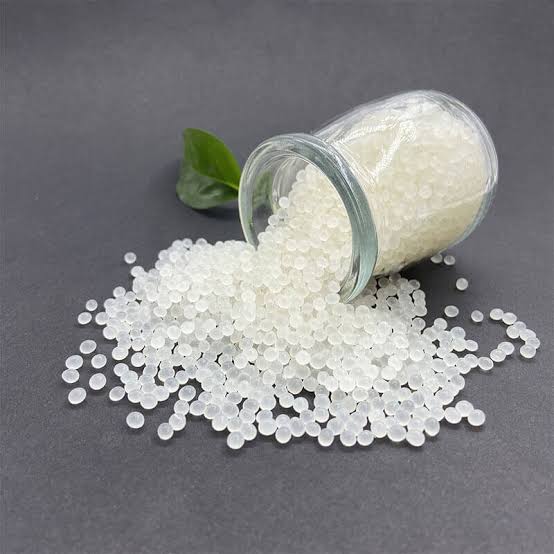
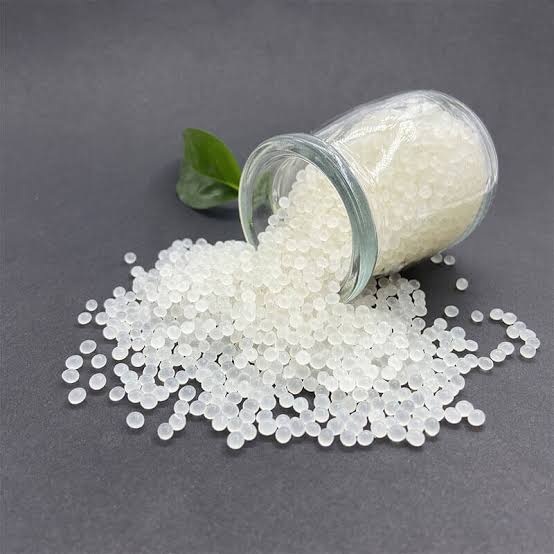
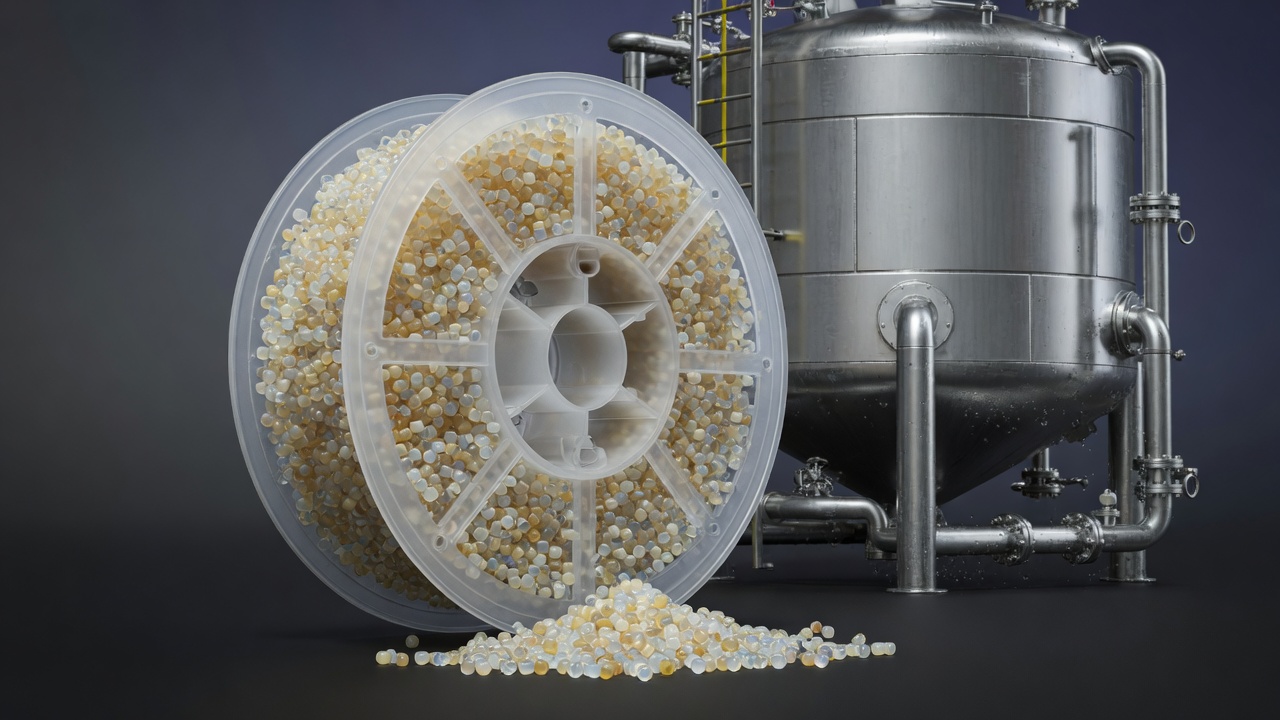
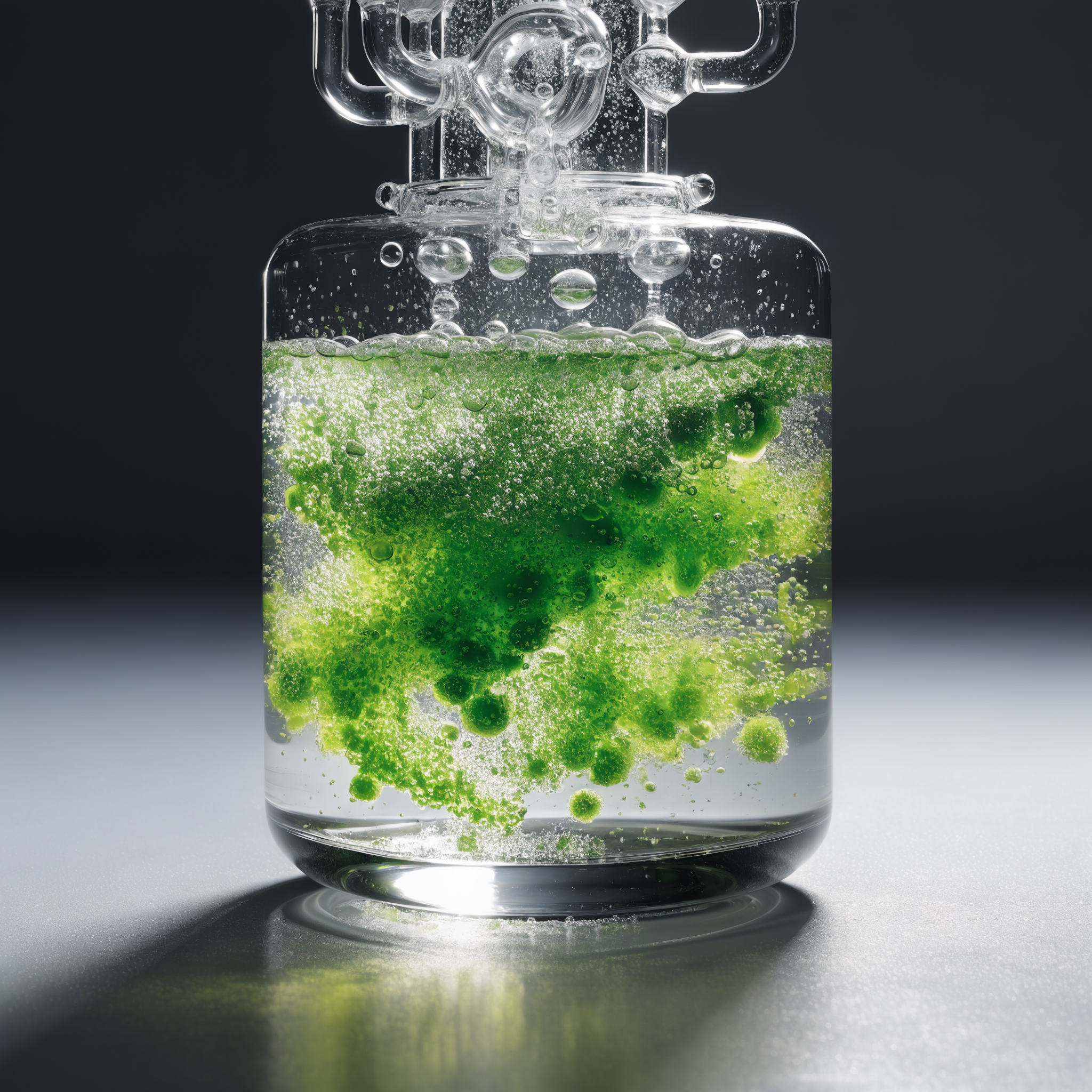
Polylactic acid has become one of the leading bio-based plastics in the global packaging industry because it combines renewable feedstocks with established industrial manufacturing processes. Unlike conventional packaging polymers that originate from crude oil or natural gas, PLA begins with agricultural carbohydrates such as corn starch or sugar-based feedstocks. These carbohydrates are converted into glucose, which is then fermented by microorganisms to produce Lactic acid. The lactic acid is purified and transformed into Lactide, which is subsequently polymerised to form PLA resin. The finished polymer is used in food packaging, disposable food-service products, films, fibres, and numerous consumer applications where renewable content and lower fossil-resource dependence are increasingly valued. For procurement professionals, PLA represents an alternative packaging feedstock whose economics are influenced by agricultural markets and fermentation technology rather than by refinery operations and petrochemical cracking alone.
The market dynamics during the 2026 Hormuz disruption highlighted the commercial significance of this different supply chain. As crude oil prices and petrochemical feedstock costs increased during the crisis, prices for conventional polymers such as Polyethylene terephthalate, Polypropylene, and High-density polyethylene became increasingly exposed to higher energy costs, disrupted logistics, and constrained petrochemical supply. In contrast, PLA production remained linked primarily to agricultural feedstocks and fermentation rather than directly to crude oil markets. Although PLA manufacturers still faced transportation costs, energy expenses, and broader market pressures, the underlying feedstock structure provided greater insulation from the immediate effects of hydrocarbon supply disruption. This narrowed the cost gap between bio-based and petroleum-derived plastics, creating a period during which PLA became relatively more competitive than under normal market conditions. Following the partial recovery in oil prices earlier in the summer, that advantage began to narrow, but the July 8 ceasefire collapse and the subsequent recovery in crude prices toward US$79 per barrel once again strengthened the relative commercial position of bio-based packaging materials.
Why Procurement Models Should Include a "Hormuz Premium" for Fossil-Based Plastics
For sustainable feedstock procurement professionals, the most important lesson is that comparisons between PLA and conventional plastics should no longer rely exclusively on historical average crude prices. The events of 2026 demonstrated that petroleum-derived polymers carry an additional layer of geopolitical and logistics risk that can materially influence their total cost. Packaging decisions based solely on pre-crisis resin economics may therefore underestimate the commercial value of feedstocks that are less directly connected to international oil and petrochemical supply chains. While PLA continues to compete with established materials on cost, performance, processing, and end-of-life considerations, recent market conditions suggest that procurement models should explicitly test how different crude price environments influence the overall economics of each material rather than assuming stable fossil feedstock pricing throughout the planning horizon.
A practical approach is to develop scenario-based packaging models that compare PLA with PET, PP, and HDPE across multiple crude oil assumptions rather than using a single forecast. Procurement teams should evaluate resin costs under a range of scenarios while also considering freight, conversion costs, sustainability targets, recycled or renewable content objectives, and supply chain resilience. This analysis can incorporate a reasonable "Hormuz premium" reflecting the additional uncertainty associated with petroleum-derived feedstocks during periods of geopolitical instability. Such an approach does not assume that PLA will always become the lowest-cost material. Instead, it produces a more robust procurement framework capable of supporting decisions under different market conditions. The experience of the 2026 disruption demonstrates that renewable polymers should be evaluated not only for their environmental attributes but also for their ability to diversify feedstock risk. For organisations making long-term packaging decisions, resilience has become an increasingly important component of commercial competitiveness alongside price and sustainability.
Looking for sustainable packaging procurement intelligence or bio-based polymer market insights? Evaluating PLA against multiple crude-price scenarios provides a more resilient basis for packaging decisions than relying on historical fossil-plastic cost comparisons alone.