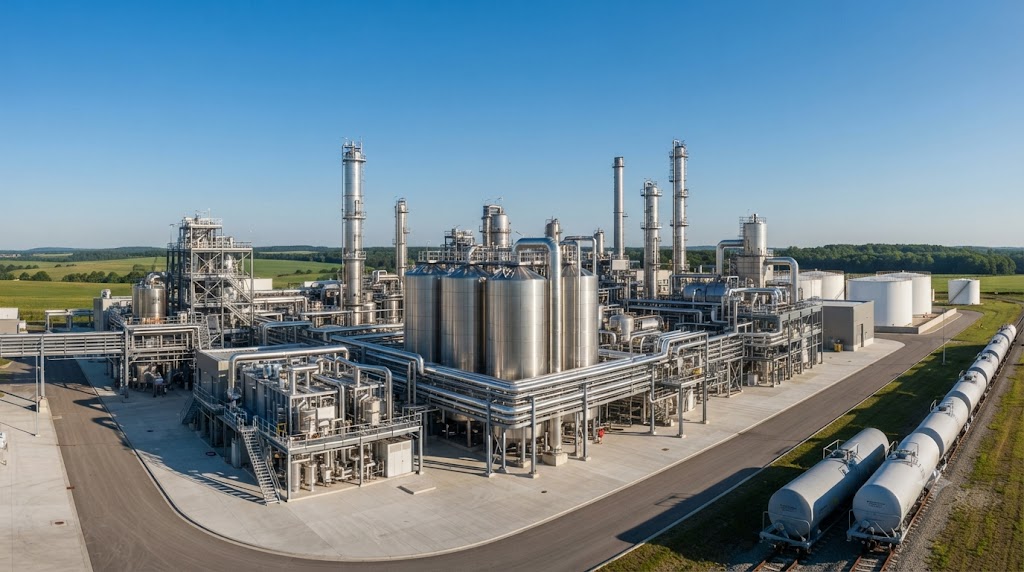
Lallemand and Braskem recently launched a groundbreaking biobased ethanol-acetone coproduction platform. This strategic partnership introduces a novel yeast strain capable of converting corn into both bioacetone and ethanol simultaneously.
The integration of advanced separation technology makes this process highly efficient and commercially viable. Procurement managers and chemical traders must pay close attention to this development.
It signals a major shift in how the industry approaches sustainable solvent manufacturing. Buyers can now anticipate a more reliable supply of renewable chemicals derived from agricultural feedstocks.
This innovation directly addresses the growing market demand for low carbon footprint industrial solvents. The chemical trading landscape will adapt to accommodate these new biological manufacturing capabilities. Sourcing teams must prepare for a market where biological pathways rival traditional petrochemical refining.
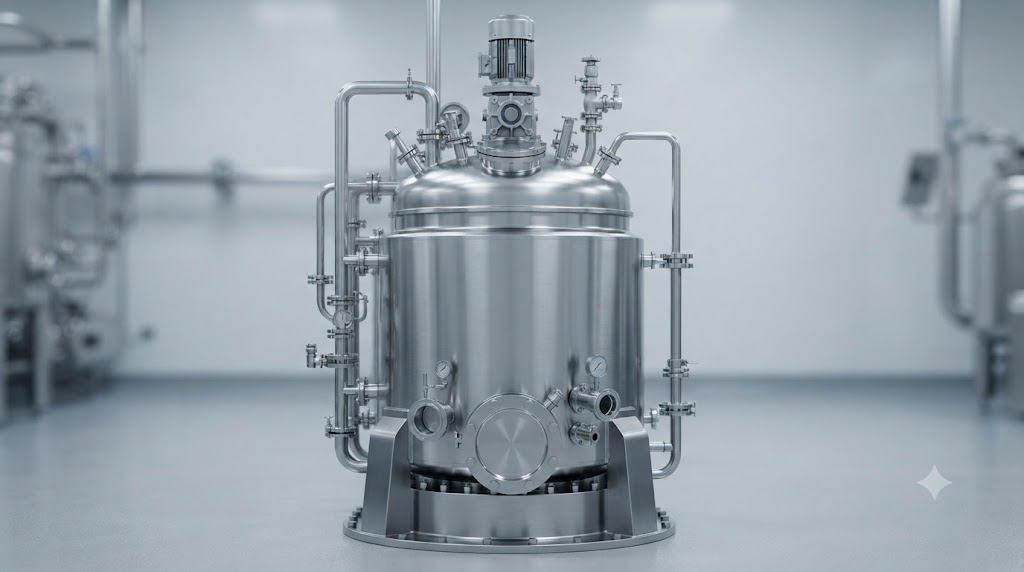
The core of this new platform relies on a proprietary yeast strain developed through extensive biotechnological research. This microorganism efficiently ferments corn sugars into multiple target molecules.
Traditional fermentation processes typically yield a single primary product. This new strain breaks that limitation by producing ethanol and acetone in a single bioreactor.
The companies paired this biological breakthrough with advanced separation technology. This downstream processing step isolates the bioacetone and ethanol with high purity levels required for industrial applications.
Efficient separation reduces energy consumption and lowers overall production costs significantly. The combined biological and mechanical innovation creates a robust commercial model for large scale operations. This dual production method maximizes the value extracted from every ton of corn processed. It also minimizes waste generation throughout the entire manufacturing cycle.
Market Drivers for Biobased Solvents
Industrial buyers increasingly demand sustainable alternatives to petroleum derived chemicals. Regulatory pressures and corporate sustainability mandates drive this transition aggressively.
Bioacetone serves as a critical green solvent in paints, coatings and pharmaceutical manufacturing. Ethanol remains a versatile feedstock for numerous chemical synthesis applications.
Producing both molecules from a single agricultural source optimizes resource utilization dramatically. This dual output model significantly improves the economic viability of modern biorefineries.
Reduced carbon footprint: Fermenting corn generates substantially lower greenhouse gas emissions compared to fossil fuel extraction methods. This directly supports corporate net zero initiatives.
Supply chain stability: Agricultural feedstocks offer more predictable pricing structures than volatile crude oil markets. Buyers can forecast expenses with greater accuracy.
Regulatory compliance: Biobased solvents help manufacturers meet strict environmental reporting requirements globally. This avoids potential carbon taxes and penalties.
Impact on Global Chemical Supply Chains
The introduction of this coproduction platform will reshape regional solvent availability significantly. North America and South America possess abundant corn supplies.
This geographic advantage positions these regions as future hubs for biobased chemical exports. Importers and exporters should monitor capacity expansions closely.
Early adoption of this technology will grant first movers a significant competitive edge in the market. Chemical traders must update their sourcing strategies to include these renewable alternatives.
Traditional acetone producers may face margin pressure as biobased alternatives capture market share. Buyers will likely negotiate harder for better pricing and sustainability certifications.
The market will gradually shift toward suppliers offering verified green credentials. Logistics providers will also need to adapt to handle increased volumes of bio solvents. Specialized storage and transport protocols ensure these renewable chemicals maintain their certified status throughout the supply chain.
Economic Advantages of Coproduction
The financial mechanics of this platform offer distinct advantages over single product facilities. Operating a bioreactor to produce two high value chemicals improves overall asset utilization.
This efficiency lowers the fixed cost burden per unit of output. The shared infrastructure reduces capital expenditure requirements for new market entrants.
Optimized capital allocation: Shared fermentation and separation equipment maximizes return on investment.
Reduced operational overhead: Managing one integrated process requires fewer personnel and less maintenance than running separate plants.
Flexible output ratios: Operators can adjust production balances based on real time market demand for either ethanol or acetone.
This operational flexibility provides a crucial hedge against commodity price fluctuations. Procurement professionals should recognize that suppliers with this flexibility can maintain stable pricing longer than traditional competitors.
Sourcing Challenges and Procurement Strategies
Transitioning to biobased solvents introduces new variables for procurement teams. Agricultural feedstocks remain susceptible to weather patterns and seasonal fluctuations.
Buyers must account for potential volume variations in their supply planning. Quality consistency represents another critical factor for industrial operations.
Biobased chemicals must meet stringent purity specifications for sensitive manufacturing applications. Procurement managers should request detailed certificates of analysis from new suppliers.
Diversify supplier networks: Engage with multiple biorefineries to mitigate regional crop failures. This prevents total supply chain disruption during poor harvest seasons.
Secure long term contracts: Lock in pricing and volume allocations to protect against market volatility. Fixed agreements provide budget certainty for financial planning.
Verify sustainability claims: Require third party certifications to ensure feedstock origins meet corporate standards. Audited documentation protects your brand reputation.
Future Outlook for Biobased Chemical Manufacturing
The success of the Lallemand and Braskem partnership will likely inspire similar industry collaborations. Biotechnology firms and major chemical producers will seek to replicate this dual output model.
We can expect increased investment in metabolic engineering and fermentation optimization. Future iterations of this technology may incorporate alternative feedstocks.
Agricultural waste and non food biomass could further enhance the sustainability profile. This evolution will decouple chemical production from direct food crop competition.
Regulatory frameworks will continue to favor biobased manufacturing. Governments worldwide are implementing tax incentives and subsidies for green chemistry initiatives.
Companies investing in these platforms will benefit from favorable policy environments. Research and development teams will focus on improving yeast strain resilience and yield. Continuous innovation will drive down production costs and make biobased solvents the default choice for industrial applications.
What Buyers Should Do Now
Chemical procurement teams must act decisively to capitalize on this emerging market. Evaluate current solvent usage and identify suitable candidates for biobased substitution.
Engage with suppliers offering bioacetone and renewable ethanol to assess product quality and availability. Update internal sustainability metrics to reflect the adoption of renewable feedstocks.
Communicate these improvements to stakeholders and end customers. Proactive sourcing strategies will secure supply chain resilience and drive long term cost savings.
Establishing early relationships with innovative biorefineries ensures priority access to future production volumes. Buyers who delay this transition risk falling behind competitors who secure premium green supply chains first.
Ready to source corn starch and biobased chemicals from verified global suppliers? Explore competitive offers on our platform today.