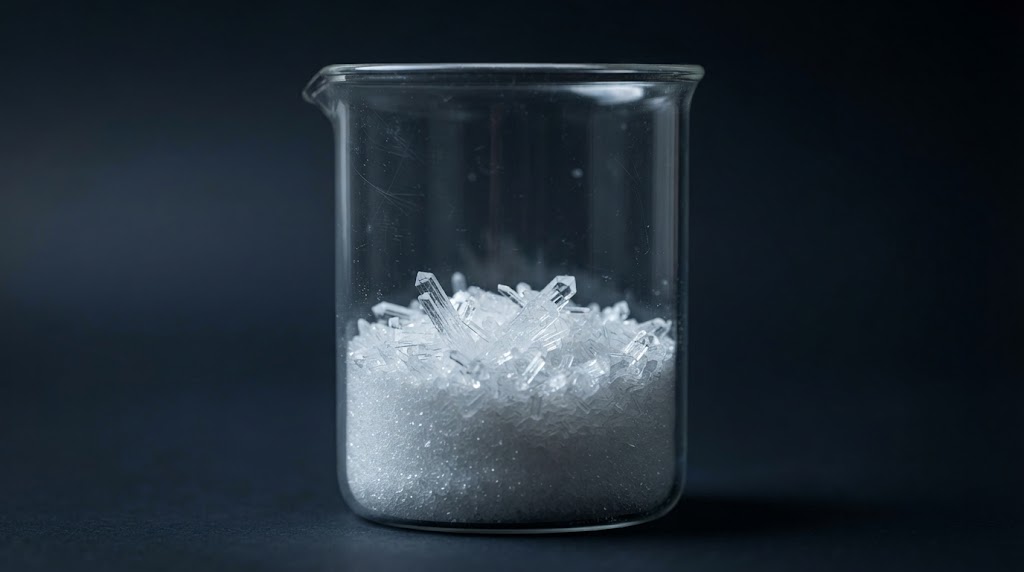
Lallemand-Braskem's Yeast Strain Innovation Opens New Bio-Based Specialty Chemistry Routes
Lallemand-Braskem's Yeast Strain Innovation Opens New Bio-Based Specialty Chemistry Routes
A new yeast strain developed through collaboration between Lallemand and Braskem could expand the commercial potential of fermentation-based chemicals by enabling the clean coproduction of bio-acetone and ethanol from a single corn feedstock.
The innovation addresses one of the central challenges in industrial biotechnology.
Producing multiple valuable chemicals from one fermentation process can improve plant economics, but commercial viability depends heavily on product selectivity and downstream separation.
If fermentation generates a complex mixture of unwanted compounds, purification becomes expensive and energy intensive.
The new strain is designed to produce acetone and ethanol in a way that facilitates cleaner separation, creating two potentially marketable product streams from one biological process.
For chemical manufacturers, the development could offer a renewable pathway into solvents, intermediates and specialty materials.
For biorefineries, it could improve asset utilization by moving beyond single-product ethanol production.
The Innovation Builds on Existing Fermentation Infrastructure
Corn fermentation is already used at commercial scale to manufacture fuel and industrial ethanol.
The process typically converts fermentable sugars into ethanol and carbon dioxide through yeast metabolism.
A strain capable of producing acetone alongside ethanol could allow existing fermentation platforms to access a broader chemical market.
This is strategically important because new bio-based technologies often struggle with capital intensity.
Building a completely new chemical complex requires:
Large upfront investment
New feedstock systems
Dedicated reactors
Specialized separation equipment
Lengthy commissioning periods
Technologies that can operate within existing or modified ethanol infrastructure may face lower barriers to commercialization.
Acetone Is a Major Industrial Solvent and Intermediate
Acetone is one of the world's most widely used oxygenated solvents.
It is used directly or indirectly in:
Paints and coatings
Adhesives
Cleaning formulations
Pharmaceuticals
Cosmetics
Composite materials
Chemical synthesis
Acetone is also a key intermediate in the production of methyl methacrylate and bisphenol A.
These derivatives support value chains including acrylic plastics, polycarbonates, coatings and engineered materials.
Most conventional acetone is produced from petrochemical feedstocks, frequently as a coproduct of phenol manufacturing through the cumene process.
A fermentation-based route could diversify supply and reduce dependence on fossil carbon.
Clean Coproduction Is the Core Technical Advantage
Coproduct strategies are not new in biorefining.
The difficulty lies in ensuring that both products are generated at useful yields and can be separated economically.
The reported value of the Lallemand-Braskem strain lies in its ability to support clean coproduction.
This may reduce the concentration of unwanted metabolic byproducts that complicate purification.
A cleaner fermentation broth can provide several advantages:
Lower separation energy
Reduced wastewater treatment
Higher product purity
Better process yields
Lower purification costs
Easier scale-up
In industrial biotechnology, downstream processing often represents a significant share of total production cost.
Improving fermentation selectivity can therefore be as important as increasing biological productivity.
Ethanol Provides an Established Commercial Anchor
Ethanol is already traded globally across fuel, industrial, pharmaceutical and beverage markets.
Its presence as one of the two primary outputs gives the process an established revenue base.
Bio-acetone can then provide a higher-value coproduct opportunity.
This structure may improve project resilience compared with a process dependent entirely on one emerging specialty market.
Potential benefits include:
Multiple revenue streams
Greater feedstock value capture
Improved plant utilization
Reduced exposure to ethanol pricing alone
Access to specialty chemical customers
The economics will still depend on yields, operating rates, corn costs and purification requirements.
However, diversified output can strengthen the overall biorefinery model.
Braskem Gains Another Renewable Chemistry Platform
Braskem has long positioned renewable feedstocks as an important part of its materials strategy.
Its established bio-based activities demonstrate how agricultural carbon can be converted into industrial chemicals and polymers.
The yeast innovation could expand that approach beyond renewable ethanol as a feedstock.
Bio-acetone may support routes into:
Renewable solvents
Acrylic intermediates
Specialty monomers
Coating raw materials
Performance chemicals
The strategic value lies in creating a platform rather than a single finished product.
Once a scalable source of bio-acetone exists, chemical companies can evaluate multiple downstream conversion pathways.
Lallemand Contributes Fermentation Expertise
Lallemand brings experience in yeast development, microbial performance and commercial fermentation systems.
Industrial yeast strains must perform reliably under conditions that differ significantly from laboratory environments.
Commercial fermentation exposes microorganisms to:
High substrate concentrations
Temperature variation
Contaminants
Product toxicity
Process stress
Long operating cycles
A commercially relevant strain must maintain productivity and stability at scale.
This makes strain development a combination of biological engineering and process optimization.
The partnership structure brings together fermentation capability and downstream chemical-market expertise.
Bio-Acetone Could Support Lower-Carbon Solvent Markets
Solvent buyers are increasingly examining the carbon intensity and renewable content of chemical products.
Demand is growing for materials that can support:
Scope 3 emissions reduction
Bio-based product claims
Sustainable formulation targets
Customer decarbonization programs
Mass-balance or renewable-content strategies
Bio-acetone may appeal to coatings, adhesives, cosmetics and pharmaceutical manufacturers seeking lower-fossil-carbon inputs.
Commercial adoption will depend on whether the product matches conventional acetone in:
Purity
Performance
Consistency
Regulatory status
Price
For many users, drop-in compatibility would be critical.
Product Purity Will Determine Market Access
Acetone used in demanding applications must meet strict specifications.
Trace impurities can affect odor, color, evaporation behavior or downstream reactions.
Bio-based production does not reduce these requirements.
The process must deliver consistent quality suitable for target markets.
Potential specifications include:
Water content
Alcohol residues
Acidity
Non-volatile matter
Color
Carbonyl impurities
A clean fermentation profile can simplify purification, but commercial qualification will still require extensive analytical testing.
Separation Economics Remain Decisive
Acetone and ethanol are both volatile oxygenated compounds.
Their recovery may involve distillation and other separation technologies.
The economic outcome depends on several factors:
Product concentrations
Relative volatility
Water content
Heat integration
Purity targets
Recovery rates
Even a high-performing microorganism may not deliver competitive economics if the products are too dilute.
The strongest commercial process will combine biological productivity with efficient separation and energy recovery.
Corn Feedstock Offers Scale but Raises Sustainability Questions
Corn provides a mature supply chain and a readily fermentable carbohydrate source.
Its advantages include:
Large-scale availability
Established handling infrastructure
Consistent composition
Proven fermentation performance
However, corn-based chemistry also raises questions involving land use, fertilizer consumption, agricultural emissions and food-system competition.
The sustainability profile of the final chemicals will depend on:
Farming practices
Regional corn sourcing
Energy used in processing
Coproduct utilization
Carbon accounting methodology
Producers will need transparent lifecycle assessments to substantiate environmental claims.
Existing Ethanol Plants Could Become Chemical Platforms
One of the most important strategic implications is the potential conversion of conventional ethanol plants into broader chemical-production assets.
A biorefinery capable of producing ethanol and acetone could participate in both fuel and chemical markets.
This may create opportunities for:
Product diversification
Higher-margin output
Improved capacity utilization
Flexible market allocation
Reduced commodity exposure
Plants could potentially optimize output based on relative product values, although actual flexibility would depend on strain behavior and process design.
Specialty Chemistry Offers Greater Margin Potential
Fuel ethanol is a large-volume market with strong exposure to agricultural prices, policy and energy markets.
Specialty and industrial chemicals may offer higher margins, though usually at lower volumes and stricter specifications.
Bio-acetone could help bridge these two economic models.
The process may combine:
Commodity-scale fermentation
Specialty chemical purification
Established solvent demand
Renewable product premiums
This hybrid model can be attractive, but it requires disciplined market planning.
A large biorefinery could produce more bio-acetone than premium niche markets can absorb if capacity is developed too rapidly.
Market Development Must Match Production Scale
Successful commercialization will require careful alignment between plant capacity and customer demand.
Target buyers may include:
Solvent formulators
Coatings manufacturers
Adhesive producers
Pharmaceutical companies
Acrylics producers
Personal care suppliers
Some customers may pay a premium for verified renewable content.
Others will prioritize cost parity with conventional acetone.
Producers must therefore decide whether to position bio-acetone as:
A premium sustainable solvent
A drop-in industrial commodity
A feedstock for certified renewable derivatives
A specialty product for selected applications
The correct strategy may differ by region.
Certification Will Be Commercially Important
Renewable chemicals require credible chain-of-custody and carbon-accounting systems.
Customers may request documentation covering:
Feedstock origin
Renewable carbon content
Lifecycle emissions
Production location
Allocation methodology
Product traceability
Third-party certification can strengthen market credibility.
Without transparent documentation, buyers may struggle to include bio-acetone in their own sustainability reporting.
Circularity and Bio-Based Content Are Different
Bio-based chemistry replaces fossil carbon with renewable biological carbon.
It does not automatically create circularity.
A product may be renewable but still follow a linear use and disposal pathway.
Chemical companies should distinguish among:
Bio-based feedstocks
Recycled feedstocks
Carbon capture-derived feedstocks
Biodegradable products
Circular product systems
The Lallemand-Braskem innovation primarily addresses renewable production.
Its circularity contribution will depend on downstream use, recovery and end-of-life management.
Fermentation Resilience Is Essential
Industrial fermentation processes can be vulnerable to contamination and biological variability.
Reliable operation requires control of:
Sterility
pH
Temperature
Nutrient balance
Fermentation time
Microbial stability
A strain that performs well under repeated commercial cycles has substantially greater value than one achieving high laboratory yields under ideal conditions.
Scale-up trials will therefore be closely watched.
Corn Price Volatility Could Affect Competitiveness
Bio-based chemical economics remain linked to agricultural markets.
Corn prices can change due to:
Weather
Crop yields
Export demand
Biofuel policy
Fertilizer costs
Currency movements
Petrochemical acetone is exposed to different drivers, including propylene and phenol economics.
The competitiveness of bio-acetone will depend partly on how agricultural and petrochemical cost cycles interact.
Feedstock diversification may eventually become important.
Future Routes Could Use Other Sugars
Although the current process is based on corn fermentation, the underlying microbial platform may have wider potential.
Future development could examine feedstocks such as:
Sugarcane
Molasses
Wheat
Cassava
Cellulosic sugars
Industrial carbohydrate residues
Using non-food or waste-derived sugars could improve the sustainability profile.
However, alternative feedstocks may introduce impurities that reduce fermentation performance.
The strain and purification system would need further adaptation.
Downstream Derivatives Could Expand Value Creation
The greatest value may not come from selling bio-acetone alone.
Converting it into downstream products could create differentiated renewable materials.
Potential derivatives include:
Methyl methacrylate
Bisphenol intermediates
Specialty solvents
Ketone-based formulations
Performance additives
Each pathway has different technical, regulatory and market requirements.
Braskem's chemical and polymer experience could help identify the most commercially attractive conversion routes.
The Technology Could Support Regional Biorefineries
Bio-based chemical production can be located near agricultural feedstocks rather than concentrated solely near oil and gas infrastructure.
This may create regional opportunities in areas with:
Large corn production
Existing ethanol capacity
Reliable renewable electricity
Strong logistics
Access to chemical customers
Regional production could reduce transport distances for feedstocks.
However, the finished chemicals still require access to industrial distribution networks and export infrastructure.
Conventional Acetone Will Remain Competitive
Bio-acetone must compete with a mature and highly optimized petrochemical industry.
The cumene process benefits from:
Large-scale production
Integrated phenol demand
Established logistics
Mature technology
Global market acceptance
A bio-based route does not need to replace conventional production entirely to be commercially successful.
It may first serve customers requiring renewable content or lower-carbon inputs.
Broader adoption will depend on cost reduction and scale.
Procurement Teams Should Evaluate Claims Carefully
Buyers considering bio-acetone should assess both performance and environmental credentials.
Key questions include:
Is the acetone chemically equivalent?
What purity grades are available?
What is the verified renewable content?
How are lifecycle emissions calculated?
Is supply available at commercial scale?
What certification supports the claim?
Procurement teams should compare environmental benefits using consistent boundaries rather than relying only on the term “bio-based.”
The Partnership Model Reduces Commercialization Gaps
Biotechnology companies often possess strong strain-development expertise but limited access to large chemical markets.
Chemical producers may understand customers and downstream applications but lack specialist microbial capabilities.
Partnerships can close this gap.
The Lallemand-Braskem collaboration combines:
Yeast development
Fermentation knowledge
Chemical processing
Market access
Scale-up capability
This integrated approach can improve the likelihood that laboratory innovation reaches commercial production.
The Broader Market Intelligence Lesson
The new yeast strain reflects a wider shift in industrial biotechnology.
The traditional ethanol model follows a relatively simple pathway:
Sugar feedstock → fermentation → ethanol
The emerging biorefinery model is more diversified:
Sugar feedstock → engineered microorganism → multiple purified chemicals → higher-value downstream products
The technical breakthrough is not merely producing more molecules.
It is producing the right combination of molecules in a form that can be separated economically.
Final Takeaway
Lallemand and Braskem's new yeast strain could open an important route toward the integrated production of bio-acetone and ethanol from a single corn fermentation process.
The innovation's commercial value lies in clean coproduction and separation.
By reducing unwanted byproducts and creating two marketable streams, the technology may improve biorefinery economics while extending fermentation beyond conventional ethanol markets.
For chemical manufacturers, bio-acetone offers a potential renewable feedstock for solvents, acrylics, polymers and specialty intermediates.
For ethanol producers, the process could provide product diversification and access to higher-value chemical markets.
For procurement teams, the main considerations will be purity, supply scale, certification, lifecycle emissions and price competitiveness.
The broader market signal is clear: the next generation of industrial biotechnology will be defined not only by renewable feedstocks but by engineered microorganisms capable of converting those feedstocks into multiple clean, separable and commercially valuable chemical products.
Ready to source Acetone from verified global suppliers? Explore competitive offers on our platform today.
Biotin
Found this useful?