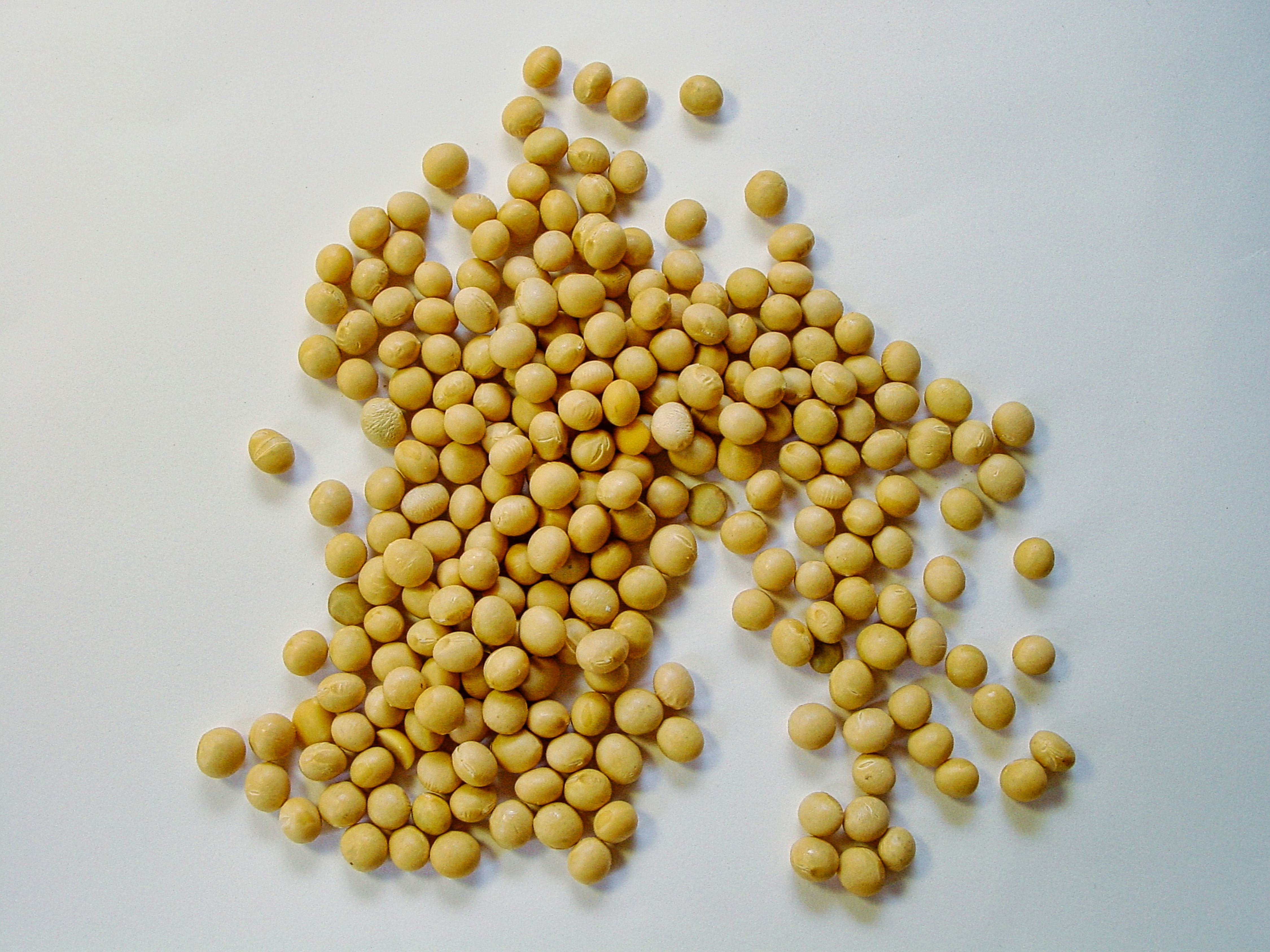
Trade policy rarely appears in discussions about food additives, yet it plays an important role in determining the availability of many ingredient by-products. Soy lecithin, a widely used emulsifier in chocolate, bakery products, infant formula and processed foods, is one such example. Because lecithin is produced during soybean oil refining, its supply depends on where soybeans are processed rather than simply where they are grown.
For procurement professionals, this relationship makes global soybean trade flows an important market indicator. Ongoing US-China trade tensions continue to influence international soybean movements, processing investments and refining capacity. As trade patterns evolve, they can reshape the regional availability of food-grade soy lecithin and affect procurement strategies for manufacturers worldwide.
Why Soy Lecithin Is a By-Product Rather Than a Primary Product
Unlike many food ingredients produced specifically to meet market demand, soy lecithin originates as a by-product during the refining of soybean oil.
As crude soybean oil undergoes processing, naturally occurring phospholipids are separated through a degumming process. These phospholipids are then refined and processed into food-grade lecithin for commercial use.
The resulting ingredient is valued for its ability to:
Improve emulsification in chocolate and confectionery products.
Enhance texture in bakery formulations.
Stabilise beverages and processed foods.
Support nutritional formulations including infant nutrition products.
Because lecithin production depends on soybean oil refining volumes, changes in soybean processing directly influence overall supply.
Understanding the Soybean Supply Chain
The soybean industry operates as an integrated value chain where multiple products emerge from a single processing operation.
Soybeans are typically processed into:
Soybean oil for food and industrial applications.
Soybean meal used primarily in animal feed.
Food-grade soy lecithin recovered during oil refining.
Each product contributes to the economics of soybean crushing facilities. Processing decisions therefore depend on overall market demand across the complete product portfolio rather than any individual output.
This integrated structure means procurement professionals should monitor soybean processing activity alongside direct lecithin market developments.
Why US-China Trade Tensions Matter
China remains the world's largest soybean importer, making its purchasing decisions highly influential in global agricultural markets.
Periods of US-China trade tension have historically altered soybean trade flows through tariffs, retaliatory measures and changing sourcing strategies. Rather than simply affecting soybean exports, these developments influence where soybeans are crushed into oil, meal and lecithin.
Several market effects may occur:
Soybean exports shift toward alternative producing countries.
Crushing activity expands in regions receiving larger soybean volumes.
Refining capacity investments follow changing trade patterns.
Regional availability of soy lecithin evolves alongside soybean processing.
For ingredient buyers, these shifts can influence both sourcing options and long-term supply reliability.
How Processing Geography Influences Lecithin Availability
Unlike commodities traded in large volumes directly from farms, lecithin becomes available only after soybean refining has taken place.
As soybean processing capacity grows in one region, lecithin production generally expands alongside it. Conversely, regions experiencing lower crushing volumes may produce less lecithin even if soybean cultivation remains significant.
This makes processing geography a valuable indicator for procurement planning.
Food manufacturers sourcing soy lecithin should monitor:
Changes in soybean import and export flows.
Investment in soybean crushing facilities.
Expansion of edible oil refining capacity.
Trade policy developments affecting agricultural commodities.
How Trade Policy Can Influence Lecithin Procurement
For food ingredient buyers, soybean trade policy is more than an agricultural issue. Changes in tariffs, trade agreements and import patterns can alter where soybean crushing takes place, ultimately affecting the regional supply of food-grade lecithin.
The impact is rarely immediate. Instead, procurement teams often see gradual shifts in supplier availability, export volumes and production capacity as processors respond to evolving trade conditions.
Key procurement considerations include:
Regional processing capacity, which determines where lecithin becomes available as a refining by-product.
Transportation costs, which may change as trade routes shift between producing and importing regions.
Supplier diversification, reducing dependence on a single processing market.
Long-term investment in soybean crushing plants that can reshape future global supply.
Monitoring these developments allows buyers to anticipate sourcing changes before they influence contract pricing.
Why Soybean Oil Demand Also Matters
Because lecithin is recovered during soybean oil refining, its production depends heavily on the overall economics of soybean processing rather than demand for lecithin alone.
When demand for soybean oil strengthens, processors often increase crushing activity, generating larger quantities of lecithin as a natural co-product.
Several factors can support higher soybean processing volumes:
Growing consumption of edible vegetable oils.
Increased food manufacturing activity.
Export demand for soybean meal used in animal nutrition.
Expansion of industrial applications for soybean oil.
Conversely, reduced crushing activity can tighten lecithin availability even when demand for the emulsifier remains stable.
Building Resilient Lecithin Sourcing Strategies
Trade uncertainty reinforces the importance of proactive procurement planning. Rather than responding only to price movements, buyers should evaluate broader supply chain trends affecting soybean processing.
Practical strategies include:
Diversify approved suppliers across multiple soybean processing regions.
Monitor international soybean trade flows and crushing capacity investments.
Track policy developments affecting agricultural trade between major producing and importing countries.
Maintain regular communication with suppliers regarding production capacity and inventory planning.
Review supply agreements periodically to ensure flexibility during changing market conditions.
These measures improve resilience while reducing exposure to sudden shifts in regional supply.
Market Outlook for Soy Lecithin
The long-term outlook for soy lecithin remains closely tied to global soybean processing rather than standalone emulsifier demand. As food manufacturers continue using lecithin across confectionery, bakery, dairy and infant nutrition products, crushing activity will remain the primary driver of supply.
At the same time, geopolitical developments and changing trade relationships are likely to continue influencing where soybean refining capacity expands. Regions attracting greater soybean processing investment may also become increasingly important suppliers of food-grade lecithin.
For procurement professionals, understanding these structural market relationships provides valuable insight beyond short-term price fluctuations.
What Buyers Should Do Now
Soy lecithin is more than a specialty food ingredient. It is a by-product of one of the world's largest agricultural processing industries, making its supply highly dependent on soybean trade flows and refining activity.
For procurement teams, monitoring US-China trade developments, soybean crushing investments and global processing capacity offers an effective way to anticipate changes in lecithin availability and regional sourcing opportunities. Buyers who understand these upstream market dynamics will be better positioned to manage supply risk, strengthen supplier relationships and make informed purchasing decisions.