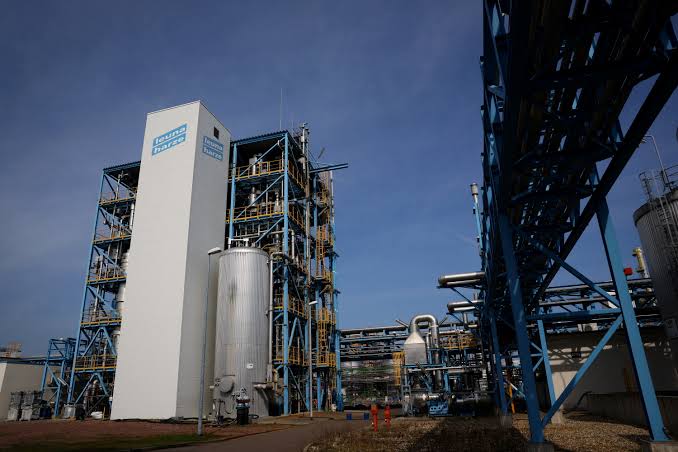
Lonza's Capsules Divestiture and Its Limited Direct Agrochemical Relevance
Lonza's capsules divestiture has limited direct relevance to the agrochemical market because the underlying business focus sits primarily within pharmaceutical and nutraceutical delivery technology. However, the development of encapsulation systems has a secondary connection to agriculture through controlled-release formulations designed to deliver active ingredients more precisely.
For chemical traders, procurement managers and agrochemical buyers, that distinction matters. The transaction does not directly change conventional agrochemical supply fundamentals, but it highlights a technology area that can influence how crop protection products are formulated, delivered and differentiated over time.
Why the Capsules Divestiture Matters Beyond Pharmaceuticals
Encapsulation technology involves enclosing an active material within a protective coating or carrier structure. In pharmaceutical applications, this approach can help control how an ingredient reaches its intended site or how quickly it becomes available.
The same basic formulation principle can apply to agriculture. Agrochemical manufacturers can use controlled-release concepts to influence the timing, location and rate at which an active ingredient becomes available to plants, pests or the surrounding soil.
That creates a secondary connection between the capsules business and agrochemical formulation. The relevance does not come from Lonza's pharmaceutical focus itself, but from the underlying technology concepts associated with encapsulation and controlled delivery.
For agrochemical supply chains, potential applications include:
Controlled release: Encapsulation can help regulate the release of an active ingredient over a defined period rather than making the entire dose immediately available.
Active ingredient protection: A coating can provide a physical barrier that protects sensitive materials from environmental conditions before application.
Targeted delivery: Formulation design can help concentrate active ingredients around a specific application zone.
Handling improvements: Encapsulation may alter the physical properties of formulations, potentially improving storage, transport or application characteristics.
These concepts remain more relevant to formulation development than to commodity trading. Buyers should therefore treat encapsulation as a technology consideration rather than a direct market driver for conventional agrochemical raw materials.
Controlled-Release Agrochemicals Create the Strongest Link
The clearest connection between encapsulation technology and agriculture comes through controlled-release crop protection products. Conventional formulations often aim to make an active ingredient available shortly after application, while controlled-release systems seek to extend or manage availability.
This distinction can influence formulation efficiency. A controlled-release system may help reduce the need for repeated applications in certain use cases, although performance depends heavily on the active ingredient, coating system, environmental conditions and crop application requirements.
Encapsulation can also support formulation strategies where an agrochemical needs protection before reaching its intended environment. The encapsulating material can act as a barrier that separates the active ingredient from surrounding conditions until the formulation reaches a desired release stage.
For procurement teams, this means the value proposition may shift from simply buying an active ingredient to sourcing a broader formulation package. That package can include the active substance, carrier materials, coating components and other formulation aids.
What Agrochemical Buyers Should Watch
The capsules divestiture itself does not create an immediate change in the global supply of fertilizers, herbicides, fungicides or insecticides. Its relevance for agricultural procurement sits further downstream, particularly in formulation development and specialty crop protection products.
Buyers evaluating suppliers should focus on the parts of the supply chain that could benefit from controlled-release technology:
Formulation materials: Encapsulation can require specialized carrier or coating materials, creating potential demand for additional formulation inputs.
Technical capabilities: Not every agrochemical manufacturer has the same ability to develop controlled-release products. Technical formulation expertise can become an important supplier-selection factor.
Application efficiency: Products that deliver an active ingredient over a controlled period may appeal to markets seeking more targeted agricultural inputs.
Product differentiation: Encapsulation can provide a formulation feature that distinguishes a specialty product from conventional alternatives.
The commercial impact therefore depends on adoption. If controlled-release formulations expand across specific crop protection categories, demand for compatible formulation materials and processing capabilities could increase.

Where Encapsulation Could Influence Agrochemical Formulations
Encapsulation has potential relevance across several areas of agricultural chemistry, although its commercial importance varies by formulation and application.
One area is crop protection, where controlled-release systems can be designed around herbicides, fungicides or insecticides. The objective is to manage how an active ingredient becomes available rather than simply increasing the quantity applied.
Another area is fertilizer delivery. Controlled-release fertilizer systems already demonstrate how coating and release mechanisms can influence nutrient availability. Similar formulation principles can inform broader agricultural product development.
Encapsulation can also support products where active ingredients face degradation or compatibility challenges. A protective layer may separate reactive components or provide additional protection during storage and application.
This creates a potential bridge between specialty chemicals, polymers and agricultural formulations. For traders, the opportunity may therefore sit in supplying materials that support formulation performance rather than directly supplying encapsulated agricultural products.
Why This Is Not a Major Agrochemical Market Event
The limited direct relevance of the capsules divestiture should remain clear. The transaction does not fundamentally alter the supply-demand balance for major agrochemical commodities or create an immediate shift in agricultural chemical trade flows.
Major procurement decisions for commodity chemicals continue to depend on factors such as production capacity, feedstock costs, freight, energy prices, regional demand, inventory levels and regulatory requirements.
Encapsulation sits at a different level of the value chain. It can influence the design of specialty formulations, but it does not replace the basic importance of securing reliable supplies of active ingredients and formulation chemicals.
For chemical buyers, separating these two levels prevents overestimating the agricultural impact of the transaction. The stronger interpretation is that encapsulation represents a formulation technology with selective relevance to agrochemicals.
The Role of Polymers and Formulation Inputs
Controlled-release agriculture can increase the importance of materials that provide physical structure, coating properties or controlled permeability. This creates potential links with the wider polymers and specialty chemicals market.
The specific material requirements depend on the formulation. A manufacturer may need materials that provide stability, compatibility, controlled permeability or suitable release characteristics while remaining practical for agricultural application.
For traders, this can create a more specialized sourcing opportunity. Instead of treating encapsulation as a single chemical category, buyers should consider the entire formulation ecosystem and identify which materials can support the required technical performance.
Potential procurement considerations include:
Compatibility between the encapsulating material and active ingredient.
Stability during storage and transportation.
Release behavior under different environmental conditions.
Manufacturing scalability and consistency.
Availability of suitable raw materials from reliable suppliers.
Regulatory acceptance in the target agricultural market.
These factors can make supplier qualification more demanding than standard commodity purchasing. Technical documentation and consistent product specifications become particularly important when materials form part of an advanced formulation.
Supply Chain Implications for Chemical Traders
The most relevant opportunity for traders may come from the growing intersection between specialty formulation technology and agricultural chemicals. Customers developing differentiated crop protection products may require smaller quantities of specialized materials alongside conventional high-volume chemicals.
That changes the procurement model. Buyers may value technical consistency and formulation support as much as price when the chemical becomes part of a controlled-release system.
Traders can respond by building supplier networks that cover both commodity and specialty requirements. A customer producing conventional agricultural formulations may purchase large-volume raw materials, while a product-development team may require more specialized inputs for controlled-release trials.
This creates several potential advantages for suppliers that understand both sides of the market:
Broader product portfolios can help customers source multiple formulation inputs through fewer suppliers.
Reliable specifications can reduce formulation variability during development and commercial production.
Global sourcing access can help manufacturers evaluate alternative supply regions.
Technical product knowledge can improve communication between chemical suppliers and formulation teams.
The commercial opportunity remains selective, but it can become more important as agricultural manufacturers seek differentiated delivery systems.
What Procurement Teams Should Consider Before Sourcing
Agrochemical procurement teams evaluating encapsulation-related materials should avoid treating all suppliers as interchangeable. A material that meets a basic chemical specification may still perform differently when incorporated into a controlled-release formulation.
Procurement teams should examine several areas before moving from laboratory trials to commercial sourcing:
Specification consistency: Confirm that the supplier can maintain consistent physical and chemical characteristics between batches.
Supply reliability: Evaluate production capacity, lead times and the supplier's ability to support commercial volumes.
Formulation compatibility: Assess whether the material interacts appropriately with the intended active ingredient and other formulation components.
Storage performance: Review how the material behaves during normal transportation and storage conditions.
Documentation: Ensure that technical and regulatory documentation supports the intended market and application.
Price remains important, but the lowest purchase price does not necessarily represent the lowest overall formulation cost. Poor consistency can increase development work, rejected batches and production complexity.
The Outlook for Controlled-Release Agriculture
The broader agricultural market continues to create opportunities for formulation technologies that can improve the precision of chemical delivery. Encapsulation is one of several approaches that manufacturers can consider when developing products designed for controlled availability.
Its commercial role will depend on technical performance, economics and regulatory acceptance. If controlled-release formulations demonstrate clear value in specific agricultural applications, demand for compatible specialty chemicals and formulation materials could expand alongside them.
For traders, this points toward a gradual rather than immediate opportunity. The capsules divestiture should not be viewed as a direct catalyst for agrochemical commodity prices, but it can serve as a useful reference point for understanding how delivery technology can cross from pharmaceutical applications into other sectors.
The Bottom Line for Agrochemical Buyers
Lonza's capsules divestiture has limited direct agrochemical relevance because its core connection lies in pharmaceutical and nutraceutical delivery technology. The secondary relevance comes from encapsulation itself, particularly its potential role in controlled-release agricultural formulations.
For procurement professionals, the practical lesson is to watch the formulation layer of the agrochemical value chain. As manufacturers develop products designed for more controlled delivery, demand can emerge for specialized polymers, carriers and other formulation inputs alongside established agricultural chemicals.
Chemical traders that understand this intersection can position themselves to support customers moving from conventional formulations toward more specialized delivery systems. The opportunity is not a sudden shift in agrochemical commodity demand, but a potential expansion of the specialty materials segment supporting advanced crop protection products.
Ready to source Polyacrylamide from verified global suppliers? Explore competitive offers on our platform today.
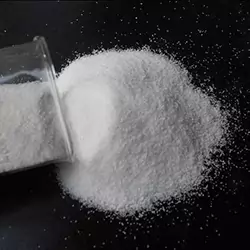
Polyacrylamide
Found this useful?