Low-Carbon Methanol: Emerging Applications in Shipping, Energy, and Chemical Manufacturing
1. Low-Carbon Methanol in the Shipping Industry
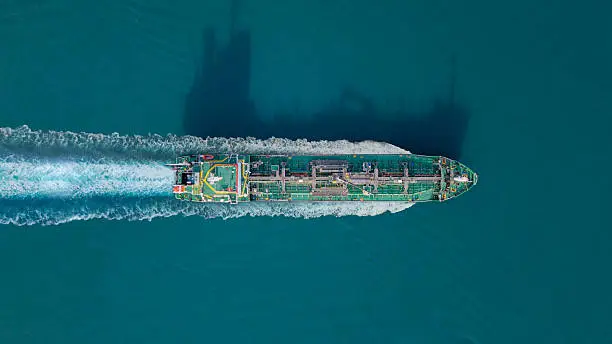
International shipping transports a substantial share of global trade and relies heavily on energy-dense fuels. Reducing emissions from ships is challenging because vessels need reliable energy for long journeys, and many cannot easily rely on battery-electric propulsion alone.
Methanol is gaining attention as an alternative marine fuel because it is a liquid at ambient conditions and can be transported and stored using suitable liquid-fuel infrastructure. Ships designed or converted to use methanol can burn it in specially designed engines or compatible dual-fuel systems.
Key Applications in Shipping
Marine fuel for cargo vessels: Methanol can power selected commercial vessels, including container ships, when equipped with suitable engines and fuel systems. Low-carbon methanol can help reduce lifecycle greenhouse gas emissions compared with conventional marine fuels.
Dual-fuel engine systems: Some marine engines can operate on methanol alongside a conventional fuel. This can provide operational flexibility where low-carbon methanol supply is not yet consistently available.
Port and bunkering infrastructure: Ports can develop methanol storage, transfer, and bunkering facilities to supply vessels. Safe handling procedures, trained personnel, and appropriate equipment are essential because methanol is toxic and flammable.
Lower conventional air pollutants: Methanol combustion can reduce sulfur oxide and particulate emissions compared with some conventional marine fuels. Nitrogen oxide emissions depend on the engine design and operating conditions, so performance must be assessed for each system.
Why Shipping Companies Are Interested
Methanol offers a practical liquid-fuel option for some vessels, particularly where alternative fuels can be supplied through established trading and port networks. However, its climate benefits depend heavily on the production pathway.
Conventional fossil-based methanol may still have a substantial carbon footprint. Low-carbon methanol produced from renewable feedstocks or renewable hydrogen and suitable carbon sources can offer greater lifecycle benefits.
Shipping companies must also consider fuel availability, storage-tank requirements, fuel-system modifications, onboard safety, and the cost difference between conventional and low-carbon fuels.
The International Maritime Organization emphasizes assessing marine fuels across their full lifecycle, from production and transportation to onboard use. This approach helps prevent a situation in which emissions are reduced on a vessel but increase elsewhere in the supply chain.
2. Low-Carbon Methanol in the Energy Sector
Beyond shipping, methanol can serve as a liquid energy carrier and a feedstock for producing other fuels. Its ability to be stored and transported as a liquid makes it relevant to applications where energy needs to be moved, stored, or converted into another form.
Power Generation and Energy Storage
Methanol can be used in suitably designed boilers, turbines, and other combustion systems to produce heat or electricity. It can also be used in certain fuel-cell technologies, including direct methanol fuel cells, which convert chemical energy into electricity.
Potential applications include:
Backup electricity generation in selected installations.
Distributed power systems where liquid fuel logistics are advantageous.
Industrial heat applications using compatible equipment.
Fuel-cell systems for specialized stationary or portable power needs.
Low-carbon methanol could reduce lifecycle emissions in these applications when it replaces a more carbon-intensive fuel. Nevertheless, its efficiency and environmental performance should be compared with alternatives such as direct electrification, batteries, and renewable electricity.
Converting electricity into hydrogen and then into methanol involves energy losses. As a result, using electricity directly is often more efficient where practical. Methanol may be more attractive where liquid storage, transportability, or compatibility with existing processes provides a meaningful advantage.
Methanol as a Feedstock for Other Fuels
Methanol can be converted into several products that serve energy markets.
Dimethyl ether (DME): Methanol can be dehydrated to produce DME, which has applications as a fuel and aerosol propellant. DME can be considered for certain LPG-related applications, but compatibility and infrastructure requirements must be evaluated.
Gasoline-range hydrocarbons: Methanol-to-gasoline technologies convert methanol into hydrocarbon fuels. The climate performance depends on the methanol's production pathway and the energy used in conversion.
Other synthetic fuels: Methanol can serve as an intermediate in pathways that produce other hydrocarbons and chemicals, including some potential aviation-fuel routes. Each conversion step adds cost and affects overall energy efficiency.
For these applications, low-carbon methanol can help introduce lower-emission feedstocks into existing fuel-production chains. However, the final fuel is not automatically low-carbon simply because methanol was used as an intermediate.
3. Low-Carbon Methanol in Chemical Manufacturing
Chemical manufacturing is one of the most established markets for methanol. It serves as a building block for numerous industrial chemicals and materials, meaning that replacing conventional methanol with a lower-carbon alternative can reduce emissions associated with chemical supply chains.
Because renewable and conventional methanol have the same chemical structure, appropriately specified low-carbon methanol can generally serve as a feedstock in existing applications without changing the identity of the resulting chemical.
Formaldehyde Production
Formaldehyde is used to manufacture resins, adhesives, engineered wood products, coatings, and other materials.
Replacing conventional methanol with verified low-carbon methanol can reduce the upstream emissions associated with this production chain. The final environmental benefit also depends on process energy, resin formulation, product lifetime, and end-of-life treatment.
Acetic Acid Manufacturing
Methanol is used in the production of acetic acid through established industrial processes. Acetic acid is an important raw material for solvents, coatings, adhesives, and chemical intermediates.
Using lower-carbon methanol can reduce the feedstock-related footprint of acetic acid production, provided that the methanol's lifecycle emissions are demonstrably lower.
Plastics and Petrochemical Intermediates
Methanol can be converted into olefins such as ethylene and propylene through methanol-to-olefins technology. These olefins are important building blocks for plastics and other petrochemicals.
Low-carbon methanol can provide an alternative feedstock for these processes, potentially reducing reliance on conventional fossil-derived raw materials. However, conversion energy, plant efficiency, and the emissions associated with the final products remain important.
Solvents, Coatings, and Other Industrial Products
Methanol is used directly or indirectly in a wide range of industrial applications. Depending on the process, lower-carbon methanol can help reduce the embedded emissions of solvents, coatings, chemical intermediates, and other products.
For manufacturers supplying customers with environmental reporting requirements, verified low-carbon feedstocks may also help improve product-level carbon accounting and supply-chain transparency.
4. How Low-Carbon Methanol Is Produced
The environmental benefits of low-carbon methanol depend on its production technology and the sustainability of its inputs.
Biomass-Based Production
Biomethanol can be produced from suitable biomass, biogas, agricultural residues, forestry residues, and certain waste streams. The feedstock is converted into a synthesis gas or another suitable intermediate before methanol is produced.
This route can create value from selected residues and renewable resources. However, biomass availability is limited, and projects must avoid unsustainable harvesting, land-use changes, and competition with other essential uses of biomass.
E-Methanol Production
E-methanol is produced by combining hydrogen from electrolysis with a carbon-containing feedstock, commonly captured carbon dioxide.
The simplified synthesis reaction is:
[
CO_2 + 3H_2 \rightarrow CH_3OH + H_2O
]
For this pathway to deliver strong climate benefits, the hydrogen should be produced with low-emission electricity, and the carbon dioxide source must be evaluated carefully.
Using carbon dioxide from a fossil-based industrial facility may recycle carbon temporarily, but the carbon can be released when the methanol is burned. This does not automatically provide permanent carbon removal.
Carbon dioxide from biogenic sources or direct air capture may offer different lifecycle outcomes, depending on energy requirements, carbon accounting, and the full supply chain.
Fossil-Based Production with Carbon Capture
Methanol can also be produced from fossil feedstocks while capturing some of the carbon dioxide generated during manufacturing. This may reduce emissions compared with an otherwise similar unabated process.
However, the result depends on capture rates, energy requirements, residual process emissions, upstream methane leakage, and the long-term storage of captured carbon. Carbon capture alone does not make a product zero-carbon.
5. Conventional Methanol vs. Low-Carbon Methanol
Factor | Conventional Methanol | Low-Carbon Methanol |
|---|---|---|
Typical feedstocks | Natural gas or coal | Sustainable biomass, renewable hydrogen and carbon dioxide, or fossil feedstocks with emissions controls |
Production emissions | Often relatively high | Potentially lower, depending on the pathway |
Chemical properties | Methanol, (CH_3OH) | Chemically identical methanol |
Shipping applications | Can be used as marine fuel in compatible vessels | Can reduce lifecycle emissions when produced sustainably |
Chemical manufacturing | Established industrial feedstock | Can replace conventional methanol in suitable applications |
Production costs | Often lower where fossil feedstocks are inexpensive | Frequently higher, depending on technology and region |
Key limitation | Fossil-resource dependence and emissions | Feedstock availability, cost, infrastructure, and verification |
Low-carbon methanol should be evaluated using measured or certified lifecycle emissions rather than its name or production label alone.
6. Key Challenges Facing the Low-Carbon Methanol Market
Despite its potential, low-carbon methanol faces several barriers that could slow its adoption.
High Production Costs
Renewable hydrogen, electrolyzers, sustainable biomass, and carbon capture can all add significant costs. As a result, low-carbon methanol may be more expensive than conventional products.
Shipping operators and chemical manufacturers may be reluctant to pay a premium unless regulations, customer requirements, financial incentives, or long-term contracts support demand.
Limited Supply and Feedstock Availability
Large-scale production requires reliable supplies of renewable electricity, hydrogen, biomass, or carbon dioxide. These resources are also needed by other industries, creating competition for suitable feedstocks.
Projects must secure enough sustainable inputs to operate consistently and meet their intended production targets.
Infrastructure and Equipment Requirements
Methanol storage and distribution are already established in many industrial markets, which is an advantage. However, marine fuel applications can require dedicated tanks, fuel systems, safety procedures, bunkering equipment, and trained workers.
New production facilities also need reliable access to electricity, water, feedstocks, and transport networks.
Lifecycle Emissions Verification
A low-carbon claim is only as credible as the underlying emissions assessment. Producers need to account for feedstock production, electricity, processing, transportation, and final use.
International shipping also requires attention to well-to-wake emissions, which cover both the fuel's upstream production and its use onboard a vessel.
Safety and Handling
Methanol is toxic if ingested or absorbed in harmful amounts and is flammable. Facilities must manage exposure risks, leaks, fire hazards, storage conditions, and emergency response.
These requirements do not prevent methanol adoption, but they make proper engineering, training, and regulatory compliance essential.
Competition from Alternative Technologies
Low-carbon methanol competes with other decarbonization options, including direct electrification, batteries, hydrogen, ammonia, biofuels, and other synthetic fuels.
The best solution varies by application. Methanol is more compelling where its liquid form, chemical properties, or compatibility with existing industrial processes provides a practical benefit.
7. What Could Accelerate Market Adoption?
Several developments could strengthen the commercial outlook for low-carbon methanol.
Renewable power expansion: More affordable, reliable low-emission electricity can improve the economics of e-methanol.
Electrolyzer improvements: Better performance, lower equipment costs, and more effective integration can reduce hydrogen production costs.
Long-term offtake agreements: Contracts between producers and shipping or chemical companies can improve investment certainty.
Industrial clusters: Co-locating hydrogen production, carbon capture, methanol synthesis, ports, and chemical plants can help reduce logistics costs.
Clear certification standards: Reliable lifecycle accounting allows buyers to compare products and avoid unsupported environmental claims.
Supportive policies: Carbon pricing, targeted incentives, public procurement, and clear fuel standards can help create demand for lower-emission products.
Research and process optimization: Improvements in catalysts, energy integration, carbon capture, and process efficiency can strengthen competitiveness.
The most durable progress will come from projects that combine technical feasibility with dependable feedstocks, credible emissions reductions, and customers willing to purchase the finished product.
8. Future Outlook for Low-Carbon Methanol
Low-carbon methanol is positioned to play a role in the transition toward lower-emission shipping, chemical manufacturing, and selected energy applications. Its established place in the chemical industry gives it an advantage over fuels and feedstocks that require entirely new supply chains.
Shipping may become an important source of demand as vessel operators seek alternative fuels and evaluate their lifecycle emissions. In chemical manufacturing, the opportunity is to replace fossil-based methanol without fundamentally changing the downstream chemical product. In the energy sector, methanol can offer a transportable liquid energy carrier and an intermediate for other fuels, although conversion losses and competing technologies must be considered.
Market expansion will not depend on technology alone. Producers will need competitive costs, sustainable inputs, investment, infrastructure, and transparent lifecycle emissions data. Buyers will need to distinguish genuine emissions reductions from products that carry a low-carbon label without sufficient evidence.
Ultimately, low-carbon methanol is best understood as a versatile decarbonization option rather than a universal solution. Its greatest value will come from applications where it can deliver verifiable lifecycle benefits and where alternative technologies face practical or economic limitations.
Sources and Further Reading
International Renewable Energy Agency (IRENA) and Methanol Institute — Innovation Outlook: Renewable Methanol
International Maritime Organization (IMO) — 2023 IMO Strategy on Reduction of GHG Emissions from Ships
International Maritime Organization (IMO) — IMO's Work to Cut Greenhouse Gas Emissions from Ships
Methanol Institute — Methanol Industry Information and Resources
International Energy Agency (IEA) — The Future of Hydrogen
2-Ethylhexyl Acrylate
Found this useful?