L&T Wins a $6.2 Billion ADNOC Offshore Gas Contract in Abu Dhabi
L&T Energy Hydrocarbon Offshore has secured a contract exceeding ₹15,000 crore from ADNOC Offshore for the Umm Shaif Gas Cap development project. This represents one of the largest international energy contracts ever awarded to the Indian engineering giant. The deal underscores Abu Dhabi’s aggressive push toward natural gas monetization and domestic supply security.
Procurement professionals in the industrial chemicals and materials sector should recognize this award as a major demand signal. Large-scale offshore gas developments require vast quantities of specialized steel, coatings and treatment chemicals. The consortium execution model led by L&T creates new supply chain entry points for qualified vendors. Understanding the project scope helps suppliers align their offerings with upcoming tender cycles in the Gulf region.
Strategic Significance of Umm Shaif Development
ADNOC prioritizes Umm Shaif because it unlocks associated gas reserves that were previously flared or underutilized. Capturing this resource supports Abu Dhabi’s goal of achieving gas self-sufficiency while reducing carbon intensity per barrel of oil equivalent. The project transforms a byproduct stream into valuable feedstock for petrochemicals and power generation. This strategic pivot drives sustained capital expenditure across multiple downstream value chains.
Gas cap developments differ technically from conventional field expansions due to complex reservoir management requirements. Engineering solutions must balance pressure maintenance with hydrocarbon extraction efficiency. Such complexity favors experienced contractors who can integrate subsurface knowledge with surface facility design. L&T’s selection validates its technical capabilities in handling sophisticated offshore environments beyond standard platform fabrication.
Consortium Structure and Execution Responsibilities
L&T serves as lead partner within the consortium responsible for full EPCIC delivery. This encompasses engineering, procurement, construction, installation and commissioning phases under a single integrated contract. Lead contractor status grants L&T primary authority over vendor selection and subcontractor management. Suppliers seeking participation must engage directly with L&T’s procurement team rather than ADNOC central purchasing.
Consortium models distribute risk among partners while leveraging complementary strengths. L&T brings offshore construction expertise and modular fabrication capacity from its Indian yards. Other consortium members likely contribute specialized technology licenses or local content fulfillment. Buyers should map consortium member roles to identify optimal engagement pathways for specific product categories. Early alignment with the lead partner ensures visibility during critical specification development stages.
Material Demand Signals for Industrial Suppliers
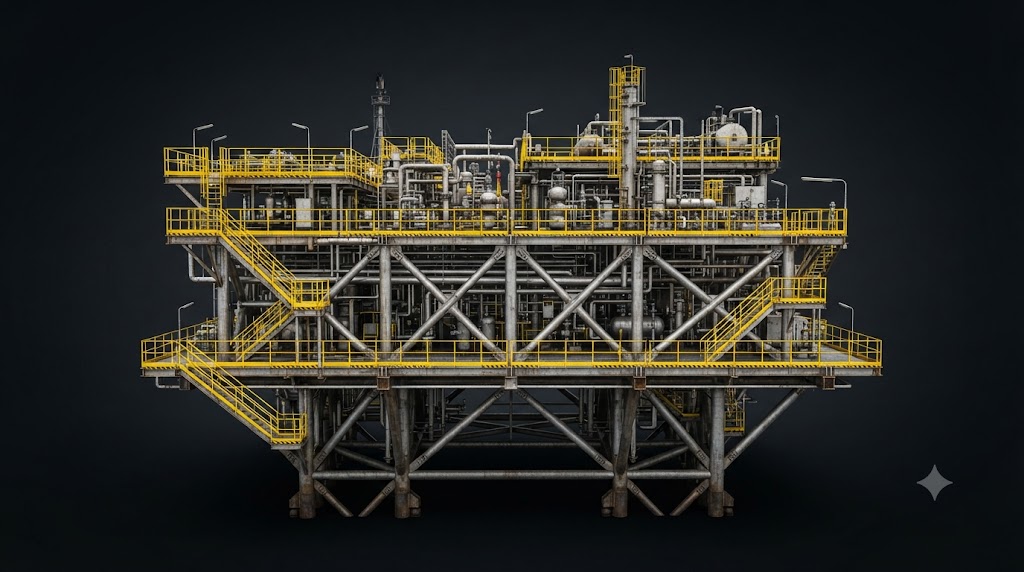
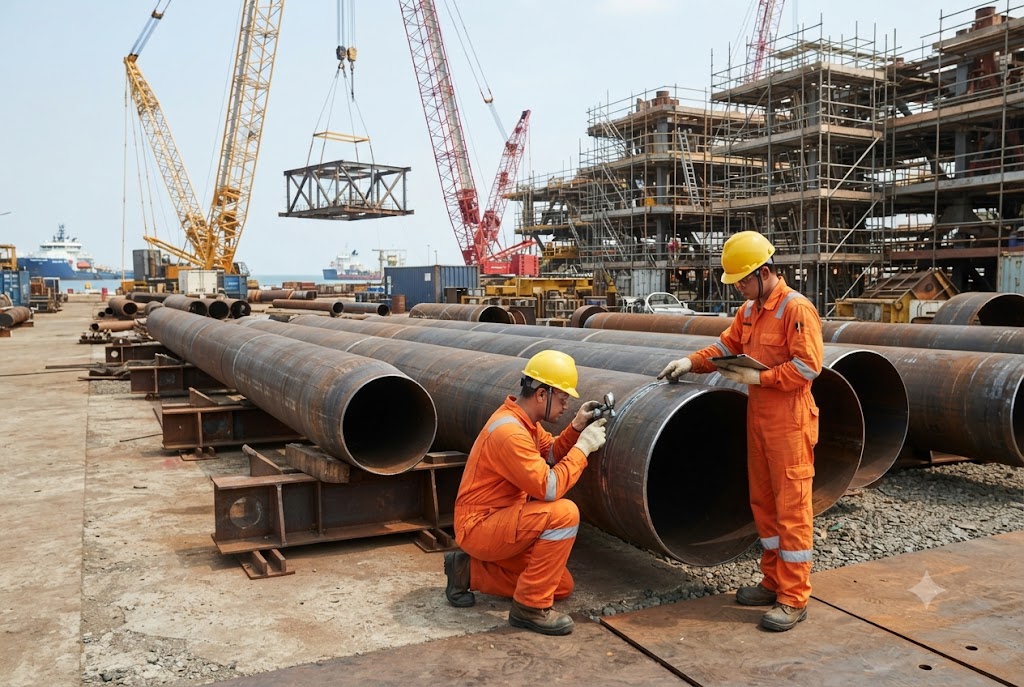
Offshore gas platforms consume enormous volumes of corrosion-resistant alloys and high-strength structural steel. Duplex stainless steels and nickel-based alloys dominate process equipment specifications due to sour service conditions. Pipe spools, pressure vessels and heat exchangers represent major procurement packages worth hundreds of millions of dollars. Steel mills and alloy processors should prepare bid responses aligned with project metallurgy requirements.
Specialty chemicals and coatings form another critical spend category for marine environment protection. Anti-corrosion systems, insulation materials and water treatment chemicals require qualification against stringent ADNOC standards. Vendors holding existing pre-qualifications gain significant advantages during fast-track procurement cycles. New entrants must initiate approval processes immediately to meet construction timelines. Delayed certifications often exclude capable suppliers from consideration despite competitive pricing.
Regional Gas Monetization Trends Driving Investment
Gulf states have shifted strategy from crude oil export maximization toward integrated gas value creation. Domestic gas demand surges as petrochemical complexes expand and power grids transition away from liquid fuels. Export diversification through LNG also motivates upstream development to secure long-term feedstock supplies. These macro trends ensure sustained project pipelines beyond individual contract awards.
Abu Dhabi leads this transformation with record-breaking capital commitments targeting gas infrastructure modernization. Neighboring emirates and GCC nations observe Umm Shaif outcomes before launching similar initiatives. Successful execution establishes benchmarks for future tenders across the region. Suppliers demonstrating performance on this flagship project position themselves favorably for subsequent opportunities throughout the Gulf Cooperation Council market.
Supply Chain Localization and In-Country Value Requirements
ADNOC mandates substantial in-country value creation as a condition for major contract awards. Consortium partners must source locally manufactured goods and services wherever technically feasible. This policy nurtures domestic industrial ecosystems while retaining spending within national borders. International suppliers face pressure to establish local partnerships or manufacturing footprints to remain eligible.
Localization extends beyond simple assembly operations to include technology transfer and workforce development. Joint ventures with UAE entities unlock higher ICV scores during bid evaluations. Procurement teams should evaluate partnership structures that satisfy regulatory requirements without compromising quality or cost competitiveness. Strategic alliances formed now yield dividends across multiple future projects as localization thresholds continue rising. Balancing compliance with commercial viability requires careful supplier vetting and relationship cultivation.
Timeline Considerations for Vendor Engagement
EPCIC contracts typically span three to five years from award through mechanical completion. Engineering and procurement activities concentrate heavily during the first eighteen months post-contract signature. Vendor pre-qualification windows close rapidly once detailed design commences. Late engagement often relegates suppliers to secondary tier status with reduced margins and allocation priority.
Construction and installation phases drive bulk material consumption peaks. Steel deliveries, coating applications and chemical treatments cluster around specific milestone dates. Production planning must synchronize with offshore campaign schedules to avoid costly delays. Suppliers should coordinate logistics strategies with L&T’s project controls team well ahead of peak demand periods. Proactive schedule alignment prevents bottlenecks that could trigger liquidated damages claims against contractors.
What Industrial Buyers Should Do Now
Review current product portfolios against anticipated Umm Shaif material specifications and volume forecasts. Identify gaps where existing offerings fail to meet sour service or marine environment requirements. Initiate technical discussions with L&T’s engineering department to understand precise performance criteria. Early involvement influences specification finalization toward compatible solutions.
Pursue necessary pre-qualifications and ICV certifications without delay. Audit internal documentation to ensure compliance with ADNOC vendor registration standards. Establish local representation or partnership agreements if operating purely internationally today. Monitor official tender portals and industry networks for package release announcements. Position your organization as a responsive and compliant supplier ready to support Gulf gas infrastructure expansion.
Ready to source hexamethylene diisocyanate from verified global suppliers? Explore competitive offers on our platform today.

Carbon Black (N220) - China
Found this useful?