LTTS and Cognite Team Up to Scale Industrial AI Across Asset-Heavy Sectors
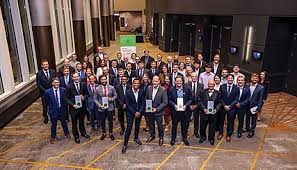
L&T Technology Services (LTTS) and Cognite have announced a strategic partnership aimed at scaling Industrial AI across asset-intensive industries. The collaboration combines LTTS' engineering, manufacturing operations and asset lifecycle expertise with Cognite's industrial AI and data capabilities.
The partnership targets industries where complex assets, large operational datasets and maintenance requirements create significant opportunities for digital transformation. Chemicals, oil and gas, LNG, CPG/FMCG, mining and industrial manufacturing are among the sectors identified for joint solutions.
For chemical manufacturers and other industrial buyers, the development signals a broader shift from isolated AI experiments toward technology that connects engineering information with everyday operational decisions.
Industrial AI Moves From Experiments to Operations
Many industrial organizations have accumulated large volumes of engineering and operational data through sensors, control systems, maintenance records and asset management platforms. The challenge often lies in turning that information into usable intelligence for engineers and plant operators.
LTTS and Cognite intend to address this challenge by combining domain engineering knowledge with industrial data and AI capabilities. Their collaboration is designed to support AI-powered applications, digital twins, predictive maintenance and operational intelligence platforms.
This approach places greater emphasis on practical industrial workflows rather than treating AI as a standalone analytics tool. For asset-heavy companies, that distinction can matter because equipment decisions often depend on engineering context, historical information and real-time operating conditions.
The partnership also reflects growing demand for solutions that can move beyond pilot projects and become part of established industrial processes.
What the LTTS and Cognite Partnership Covers
LTTS has established a dedicated Cognite Center of Excellence as part of the collaboration. The company has also certified an initial group of more than 50 engineers while the two organizations work on industry-specific solutions.
The companies are bringing together complementary capabilities:
Engineering expertise: LTTS contributes experience in engineering, manufacturing operations and asset lifecycle management.
Industrial AI and data: Cognite brings capabilities focused on connecting industrial data with AI-driven applications.
Industry-specific development: The companies plan to develop solutions for sectors with complex assets and demanding operational environments.
Scalable deployment: The partnership focuses on helping industrial businesses expand AI applications beyond individual experiments.
This combination is particularly relevant to process industries, where equipment reliability, production continuity and maintenance planning can directly affect supply availability and operating costs.
Chemical Industry Could Be a Major Use Case
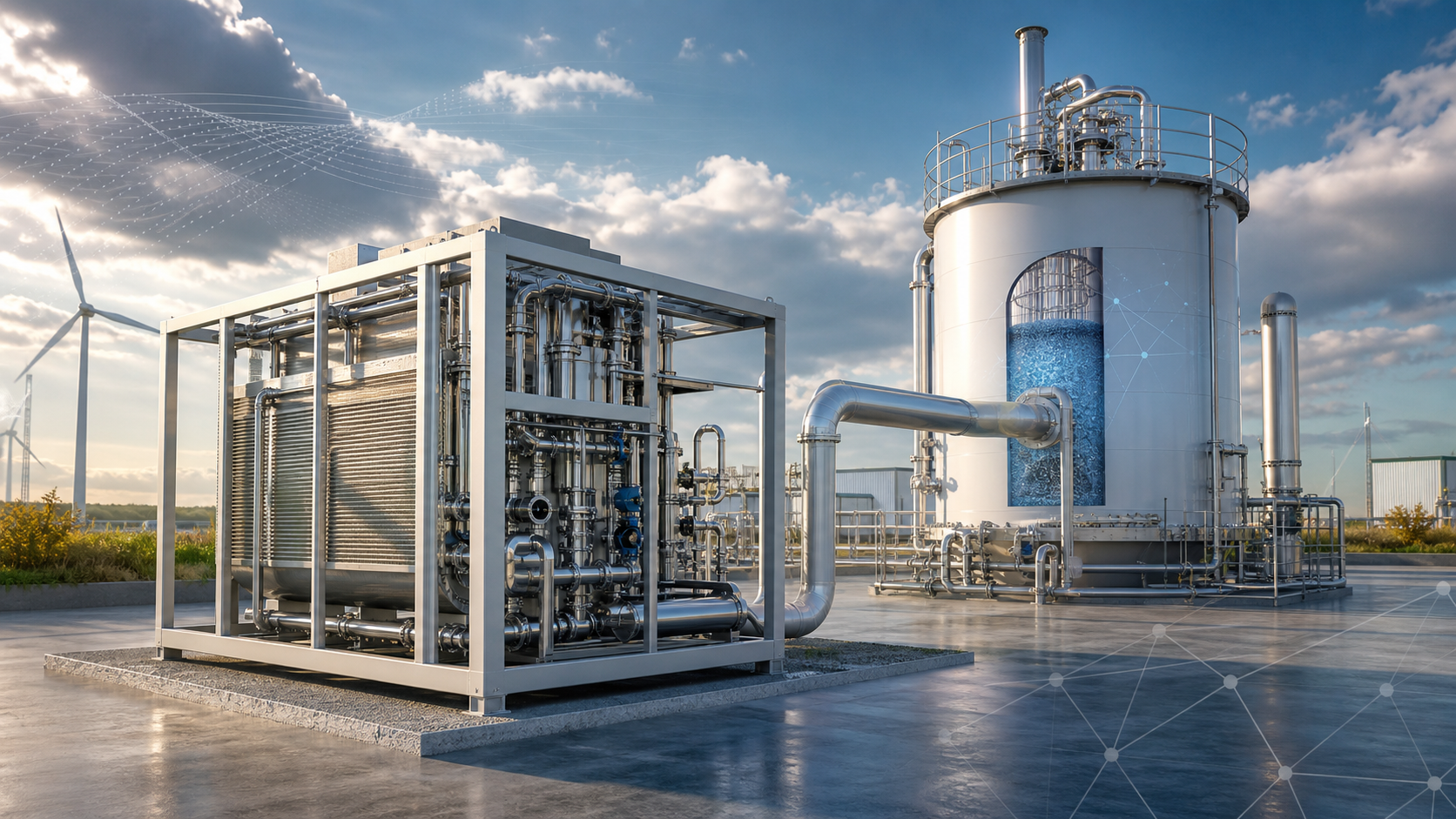
The chemical sector is specifically included among the industries targeted by the partnership. Chemical plants typically operate interconnected production systems where pumps, compressors, reactors, heat exchangers, storage equipment and other assets must work reliably within tightly managed processes.
Industrial AI can help organizations make greater use of the information generated by these assets. Predictive maintenance applications, for example, can support earlier identification of equipment conditions that require attention.
For procurement teams, this technology can have implications beyond maintenance departments. Better asset visibility can contribute to more informed planning for spare parts, maintenance materials, production schedules and supplier requirements.
Potential applications include:
Monitoring asset performance and identifying unusual operating patterns.
Supporting predictive maintenance programs for critical equipment.
Connecting engineering information with operational data.
Building digital representations of industrial assets through digital twin technologies.
Providing operational intelligence to engineering and manufacturing teams.
Digital Twins and Predictive Maintenance Take Center Stage
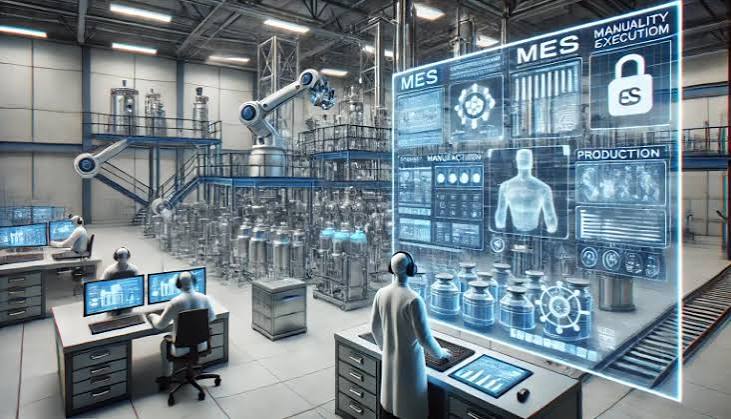
Digital twins represent one of the key areas identified for the LTTS-Cognite collaboration. These digital representations can connect information about physical assets with operational and engineering data, creating a more integrated view of equipment and processes.
For asset-intensive businesses, this can help teams examine asset conditions within a broader operational context. Rather than relying on isolated data points, engineers can work with information connected to the asset, its operating environment and its lifecycle.
Predictive maintenance is another important application. Instead of relying only on fixed maintenance schedules or responding after equipment problems occur, organizations can use operational information to support condition-based maintenance strategies.
The objective is not simply to introduce another software layer. The partnership is focused on embedding AI capabilities into industrial applications and workflows that engineers and operators already use.
A First Project Targets Mechanical Integrity
The companies have already started their first joint project with a global top-ten oil and gas company. The project focuses on transforming a manual mechanical-integrity process into a contextualized and scalable digital workflow.
Mechanical integrity plays a critical role in asset-intensive operations because organizations need to monitor equipment condition and identify potential risks before they affect operations.
According to the companies, the digital workflow is intended to help engineers work more efficiently, identify risks faster and reduce the potential for downtime and safety events.
The project provides a practical example of how industrial AI can be applied to an established engineering activity rather than deployed as a separate experimental technology.
For other asset-intensive sectors, including chemicals, this type of approach could provide a model for applying AI to maintenance, inspection and asset management workflows.
What This Means for Chemical Manufacturers
Chemical producers increasingly manage complex production networks while balancing reliability, efficiency and supply continuity. Technology partnerships such as this one can give manufacturers another route toward connecting operational data with engineering decisions.
For procurement and sourcing professionals, several areas deserve attention:
Equipment reliability: Better predictive capabilities can support maintenance planning and reduce unexpected equipment-related disruptions.
Operational visibility: Connected industrial data can provide teams with more context when assessing production and asset performance.
Maintenance planning: AI-supported condition monitoring can potentially improve the timing of maintenance activities and associated material requirements.
Digital transformation: Manufacturers can integrate industrial AI into existing engineering and operational processes rather than treating digitalization as a separate initiative.
Scalability: A dedicated engineering and technology partnership can help companies move applications from individual pilots toward broader industrial deployment.
These factors can indirectly influence chemical supply chains because production reliability affects output availability, delivery schedules and inventory planning.
Engineering Expertise Becomes Critical to AI Adoption
Industrial AI requires more than access to algorithms or large datasets. Industrial environments contain specialized equipment, process knowledge and engineering relationships that determine whether data can support meaningful decisions.
LTTS brings engineering and asset lifecycle expertise to the partnership, while Cognite contributes industrial AI and data capabilities. The collaboration therefore focuses on combining technical disciplines rather than relying on AI technology in isolation.
The establishment of the Cognite Center of Excellence and certification of more than 50 LTTS engineers also indicates an emphasis on building specialized implementation capabilities.
For industrial businesses, this can be important when evaluating AI projects. A successful implementation may depend as much on understanding plant processes and engineering workflows as on the underlying technology.
From Plant Data to Procurement Intelligence
The impact of Industrial AI can extend beyond production and maintenance teams. When operational information becomes more connected, procurement teams may gain additional context for planning materials and services.
For example, equipment condition data could help maintenance organizations anticipate future requirements. Procurement teams could then use those signals to prepare sourcing strategies instead of responding only when a maintenance request arrives.
The same principle can apply to industrial chemicals and process materials. Greater visibility into production activity can support more coordinated purchasing, inventory management and supplier communication.
This does not eliminate the need for procurement expertise. Instead, it can give buyers another information source when planning around complex industrial operations.
The Broader Industrial AI Market
The LTTS-Cognite announcement follows a wider push by industrial technology providers to connect AI with engineering and operational environments. LTTS also announced a separate partnership with Databricks in June 2026 focused on Industrial AI for asset-intensive industries, including energy, petrochemicals and industrial operations.
Together, these developments illustrate the growing emphasis on industrial AI platforms that combine data, engineering knowledge and operational applications.
For chemical companies, the relevant question is increasingly how AI can support measurable industrial activities such as reliability, maintenance, production performance and sustainability rather than simply whether the organization has an AI strategy.
The LTTS-Cognite partnership adds another example of this shift toward applied industrial intelligence.
What Procurement Teams Should Watch Next
Chemical buyers and procurement managers should monitor how Industrial AI moves from technology announcements into measurable plant-level applications.
Key areas to watch include:
Predictive maintenance adoption: More industrial facilities may connect equipment monitoring with maintenance planning.
Digital twin deployment: Asset and process information may become increasingly integrated into engineering workflows.
AI-enabled operational intelligence: Plant teams may use connected data to support faster operational decisions.
Supplier planning: Better operational visibility could influence requirements for maintenance materials, process chemicals and related services.
Cross-functional data use: Procurement, engineering, maintenance and production teams may increasingly work from connected operational information.
For suppliers, these changes could also create new expectations around digital capabilities, data integration and responsiveness to industrial customers.
The Bottom Line for Industrial Buyers
The LTTS and Cognite partnership brings together engineering expertise, industrial data capabilities and AI applications for asset-intensive sectors. With chemicals, oil and gas, LNG, mining and industrial manufacturing among the targeted industries, the initiative has direct relevance to companies operating complex production and processing assets.
The establishment of a dedicated Cognite Center of Excellence, certification of more than 50 engineers and launch of a first project with a major oil and gas company show that the collaboration is already moving toward practical implementation.
For chemical procurement teams, the wider significance lies in the growing connection between operational intelligence and supply planning. As Industrial AI becomes more embedded in asset management, buyers may gain new ways to anticipate maintenance requirements, coordinate sourcing and support production continuity.
Fumed Silica
Found this useful?