Lubricant Additives: Functions, Types and Industrial Selection Guide
ndustrial machinery depends on effective lubrication to maintain performance, reduce friction and protect moving components from premature wear. However, base oils alone cannot always provide the level of protection required under demanding operating conditions. High temperatures, heavy loads, oxidation and contamination can gradually reduce lubricant performance.
Lubricant additives address these challenges by improving the physical and chemical properties of lubricating oils and greases. Manufacturers combine different additives with mineral, synthetic or semi-synthetic base oils to produce lubricants suitable for engines, hydraulic systems, industrial gearboxes, compressors and other equipment.
For chemical traders, lubricant manufacturers and procurement professionals, understanding additive functions is essential when selecting raw materials. The correct formulation can improve equipment reliability, extend lubricant service life and reduce maintenance requirements.
What Are Lubricant Additives and Why Are They Important?
Lubricant additives are chemical compounds incorporated into base oils to improve performance or introduce specific protective properties. They help lubricants operate under conditions where untreated oils may experience oxidation, excessive friction, corrosion or deposit formation.
Different additives perform different functions. Some create protective films on metal surfaces, while others control chemical degradation, prevent foam formation or keep contaminants suspended within the lubricant.
The final lubricant formulation depends on the equipment design, operating temperature, pressure, load conditions and manufacturer specifications.
Main Functions of Lubricant Additives
Lubricant additives support several important functions in industrial operations:
Wear protection: Reduce metal-to-metal contact and protect moving components against mechanical damage.
Friction control: Improve lubrication efficiency and help reduce energy losses caused by friction.
Oxidation resistance: Slow chemical reactions that cause oil deterioration during exposure to oxygen and heat.
Corrosion protection: Prevent moisture and acidic contaminants from damaging metal surfaces.
Deposit control: Reduce sludge, varnish and carbon deposit formation in engines and industrial machinery.
Foam control: Minimise excessive foam that can interfere with effective lubrication.
Viscosity stability: Help lubricants maintain suitable flow characteristics across different operating temperatures.
A lubricant formulation usually combines several additives because equipment requires multiple forms of protection at the same time.
Major Types of Lubricant Additives and Their Applications
Lubricant manufacturers select additives according to the intended application and required performance characteristics. Some chemicals provide specialised protection, while others support several functions within a finished lubricant.
Anti-Wear and Extreme Pressure Additives
Anti-wear additives protect surfaces that experience repeated contact and mechanical stress. They form protective chemical films on metal components, reducing direct contact and limiting surface damage.
Zinc dialkyldithiophosphate (ZDDP) is a widely used anti-wear additive in engine oils and other lubricant formulations. It also provides antioxidant properties.
Extreme pressure (EP) additives protect components operating under heavy loads and high contact pressures. Common chemical technologies include sulphur-based and phosphorus-based compounds.
Their applications include:
Industrial gear oils.
Metalworking fluids.
Heavy-duty transmission lubricants.
Industrial machinery oils.
Certain hydraulic and circulating oils.
Antioxidants
Antioxidants slow the oxidation reactions that deteriorate lubricating oils. Oxidation can increase oil viscosity, produce acidic compounds and contribute to sludge and varnish formation.
Common antioxidant types include:
Hindered phenolic antioxidants: Help interrupt oxidation reactions and control the formation of degradation products.
Aromatic amine antioxidants: Provide oxidation protection, particularly in demanding temperature conditions.
ZDDP: Offers antioxidant protection alongside its anti-wear function.
These additives are particularly important in industrial lubricants that operate continuously at elevated temperatures.
Detergents and Dispersants
Detergents help control deposits on metal surfaces, while dispersants keep insoluble contaminants suspended within the lubricant.
Calcium and magnesium sulphonates are common detergent chemistries used in engine oil formulations. Succinimide-based dispersants help control soot and other contaminants.
Together, these additives support engine cleanliness and reduce the accumulation of harmful deposits.
Viscosity Index Improvers
Viscosity index improvers help reduce the rate at which lubricant viscosity changes with temperature. They allow manufacturers to formulate multigrade oils that maintain suitable flow characteristics across a wider temperature range.
Common materials include polymer-based additives such as olefin copolymers and polymethacrylates.
These additives are important in automotive engine oils, transmission fluids and selected industrial lubricants.
Friction Modifiers
Friction modifiers reduce resistance between moving surfaces and help improve lubrication efficiency. They work by creating or maintaining protective surface layers that reduce friction during operation.
Common examples include fatty acid derivatives, esters, amides and organomolybdenum compounds.
Industrial applications include:
Automotive engine oils.
Transmission fluids.
Industrial machinery lubricants.
Metalworking fluids.
Specialised low-friction lubrication systems.
Rust and Corrosion Inhibitors
Rust and corrosion inhibitors protect metal surfaces against moisture, oxygen and chemically aggressive substances. They form protective films that reduce direct contact between metal surfaces and corrosive environments.
These additives are important in hydraulic oils, turbine oils, circulating oils and industrial gear lubricants. They help protect steel components, bearings, gears and other machinery parts during operation and storage.
Pour Point Depressants
Pour point depressants improve lubricant flow at low temperatures. They modify the formation and growth of wax crystals in mineral base oils, helping prevent excessive thickening during cold conditions.
Polymethacrylates and selected polymeric compounds are commonly used for this purpose.
These additives are particularly useful in:
Automotive engine oils.
Hydraulic fluids.
Industrial gear oils.
Lubricants used in cold storage and outdoor equipment.
Anti-Foam Additives
Foam can interfere with lubrication by reducing effective oil contact and introducing air into the lubricant system. Anti-foam additives help control bubble formation and accelerate foam collapse.
Silicone-based compounds such as polydimethylsiloxane (PDMS) are commonly used in suitable formulations.
These additives support reliable operation in hydraulic systems, compressors, turbines and industrial circulation equipment.
Industrial Applications of Lubricant Additives
Different industrial sectors require specialised lubricant formulations because equipment operates under varying loads, speeds and temperature conditions.
Automotive and Transportation
Automotive lubricant manufacturers use additive packages to improve engine cleanliness, oxidation resistance and wear protection. Detergents, dispersants, antioxidants and anti-wear additives work together to maintain engine performance.
Transmission fluids also require friction modifiers and viscosity control additives to support smooth gear engagement and reliable power transfer.
Industrial Machinery and Gear Systems
Industrial gearboxes operate under substantial mechanical loads and repeated contact between metal surfaces. Extreme pressure additives help protect gear teeth against scuffing, surface damage and excessive wear.
Rust inhibitors and antioxidants also support longer lubricant service life in machinery operating continuously.
Hydraulic Systems
Hydraulic fluids transmit power through pressurised systems and must maintain stable viscosity, air release and corrosion protection. Anti-wear additives help protect pumps, valves and other precision components.
Foam inhibitors and oxidation stabilisers support reliable hydraulic performance and help reduce maintenance requirements.
Turbines and Compressors
Turbines and compressors often operate for extended periods under elevated temperatures. Their lubricants require effective oxidation resistance, foam control and corrosion protection.
Demulsifiers are also important in applications where water contamination must separate from the oil to maintain lubrication quality.

Metalworking and Manufacturing
Metalworking fluids use specialised additives to improve lubrication, reduce friction and protect tools during cutting, forming and machining operations.
Extreme pressure additives and friction modifiers help reduce tool wear and support better surface finishes. Corrosion inhibitors protect both manufactured components and production equipment.
Industrial Selection Criteria for Lubricant Additives
Selecting the right additive requires a detailed understanding of the equipment, base oil and operating environment. An additive that performs well in an engine oil formulation may not provide suitable results in a hydraulic fluid or industrial gearbox lubricant.
Equipment Requirements and Operating Conditions
Procurement teams should first identify the machinery's operating requirements. Load, speed, temperature, pressure and operating hours influence the type of additive protection required.
For example, heavy-duty gear systems may require strong extreme pressure performance, while hydraulic systems often prioritise anti-wear protection, oxidation stability and foam control.
Compatibility With Base Oils
Additives must remain compatible with the selected base oil. Mineral oils, synthetic oils and bio-based oils have different chemical characteristics that can influence additive solubility and performance.
Buyers should confirm whether the additive package is suitable for the intended base oil and whether it maintains stability during storage and blending.
Additive Concentration and Formulation Balance
The correct additive concentration is essential for achieving the required lubricant performance. Excessive additive levels do not necessarily improve protection and can create compatibility problems.
Manufacturers must evaluate interactions between different additive components. For example, certain anti-foam additives may affect air-release behaviour, while friction modifiers may interact with other surface-active chemicals.
Laboratory testing and formulation trials help manufacturers establish suitable treatment levels.
OECD+1
Performance Testing and Industry Specifications
Industrial buyers should evaluate lubricant additives through recognised testing methods and finished lubricant performance requirements.
Important evaluation areas include:
Oxidation stability: Measures resistance to chemical degradation during exposure to heat and oxygen.
Wear protection: Evaluates the ability to protect metal surfaces under mechanical contact.
Viscosity performance: Confirms suitable lubricant flow across operating temperatures.
Corrosion resistance: Assesses protection against rust and chemical attack.
Foam control: Evaluates foam formation and air-release characteristics.
Water separation: Checks how effectively water separates from lubricating oil.
Relevant industry specifications may include API engine oil categories, SAE viscosity classifications and ASTM testing methods. Buyers should also consider OEM (Original Equipment Manufacturer) approval requirements for the finished lubricant.
Procurement, Quality Control and Supplier Selection
For lubricant manufacturers, chemical distributors and international buyers, additive procurement requires consistent product quality and reliable supply arrangements.
Essential Purchasing Specifications
Before placing bulk orders, buyers should review:
Chemical identity: Confirm the exact additive chemistry and product grade.
Active ingredient content: Check the concentration of active components in the supplied material.
Viscosity: Evaluate handling and blending requirements for liquid additives.
Flash point: Review relevant safety and handling specifications.
Solubility: Confirm compatibility with the intended base oil.
Storage stability: Check shelf life and recommended storage conditions.
Documentation: Request a Certificate of Analysis (COA), Safety Data Sheet (SDS) and Technical Data Sheet (TDS).
Supplier Reliability and Bulk Purchasing
Supplier evaluation should consider manufacturing consistency, technical support and the ability to fulfil recurring orders.
Procurement professionals should prioritise suppliers that provide:
Consistent product specifications across batches.
Reliable bulk availability and competitive commercial terms.
Proper packaging and transportation arrangements.
Technical documentation and quality certifications.
Export experience and dependable delivery schedules.
Buyers should also avoid mixing additive packages from different suppliers without compatibility testing. Different formulations may contain competing chemical components that affect finished lubricant performance.
Sustainability and Future Developments in Lubricant Additives
The lubricant industry continues to develop additive technologies that improve equipment protection while addressing environmental and regulatory requirements.
Several developments are influencing the market:
Low-ash additive formulations: Manufacturers are evaluating reduced-ash technologies to help control deposits and particulate emissions in modern engine systems.
Phosphorus-free technologies: Research into alternative anti-wear chemistries aims to reduce reliance on certain phosphorus-containing additives in applications where emission-control compatibility matters.
Bio-based lubricant additives: Selected renewable raw materials are receiving attention as manufacturers explore alternatives to conventional petroleum-derived chemicals.
Longer lubricant service life: Improved antioxidant and deposit-control technologies help maintain lubricant performance and potentially reduce oil replacement frequency.
Advanced additive packages: Manufacturers are developing multifunctional formulations that combine several performance benefits while maintaining compatibility with modern equipment.
These developments make technical evaluation increasingly important for lubricant producers and chemical procurement teams.
OECD+2
What Industrial Buyers Should Prioritise
Lubricant additives play a central role in improving oil performance, protecting machinery and maintaining operational reliability. Their effectiveness depends on selecting the correct chemistry, concentration and combination for each application.
Industrial buyers should prioritise compatibility with base oils, equipment specifications, recognised performance testing and consistent supplier quality. They should also evaluate the complete additive package rather than purchasing individual chemicals based only on price.
As machinery becomes more specialised and operating requirements continue to evolve, reliable additive sourcing will remain important for lubricant manufacturers and industrial chemical buyers.
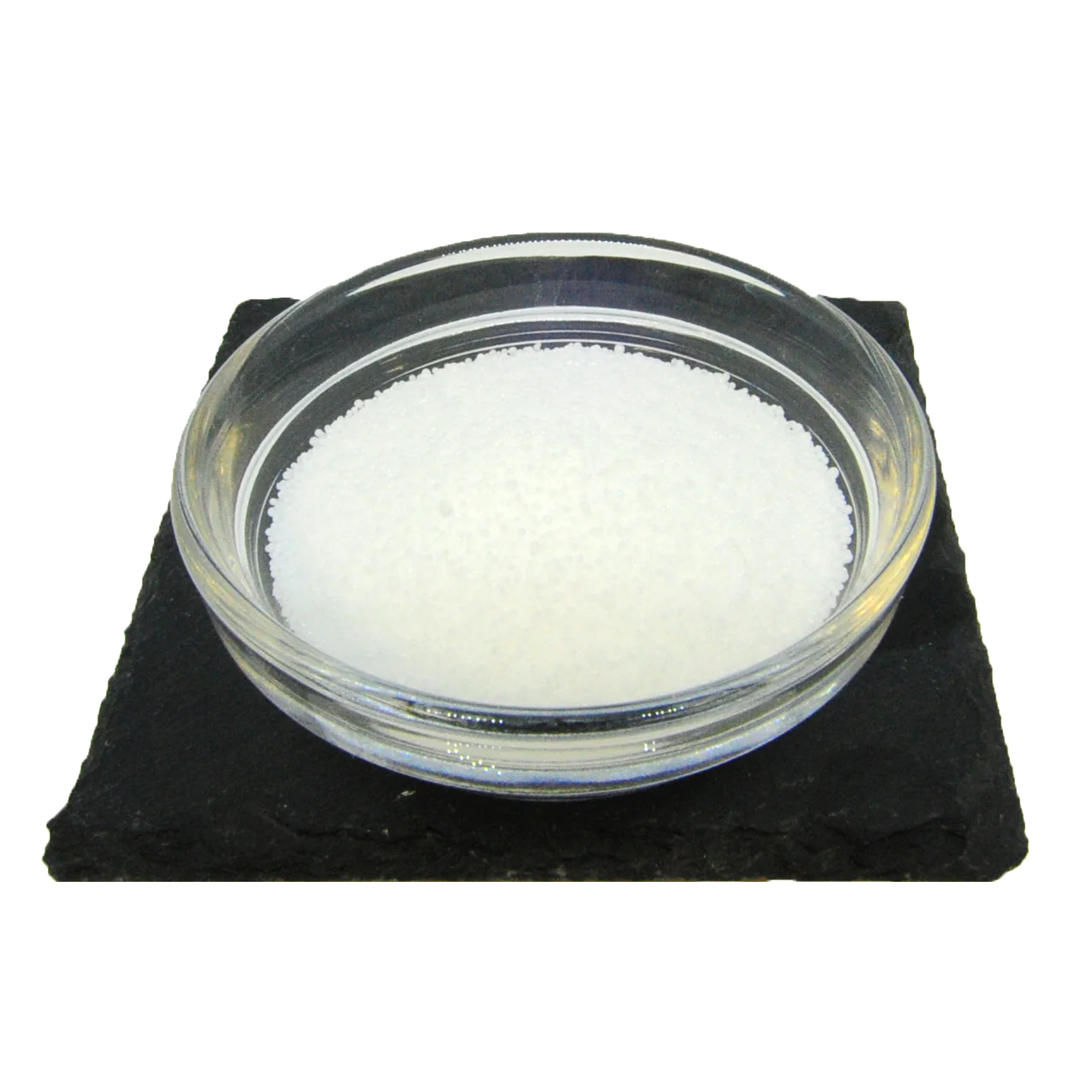
Stearic Acid (C18 32% - 39%)
Found this useful?