. Mango Materials Feeds Methane to Bacteria to Make Biodegradable Polymers
Mango Materials is pioneering a biological process that feeds methane to naturally occurring bacteria. These microorganisms convert the potent greenhouse gas into biodegradable polymers. This innovative approach was highlighted in the August 2026 issue of AIChE’s CEP magazine. The technology represents a significant leap forward in sustainable chemical manufacturing. It addresses two critical environmental challenges simultaneously. First, it captures methane that would otherwise contribute to global warming. Second, it produces high-performance materials that do not persist in the environment as plastic waste. Procurement managers and industry buyers are taking note of this dual benefit. The shift toward circular economy principles is accelerating demand for such innovations. Understanding the science and supply potential of this method is essential for forward-thinking businesses.
The Science Behind Methane Conversion
The core of the Mango Materials process relies on methanotrophic bacteria. These specialized microorganisms have evolved to consume methane as their primary carbon and energy source. In natural environments, they play a crucial role in regulating atmospheric methane levels. Mango Materials has optimized this natural capability for industrial scale production.
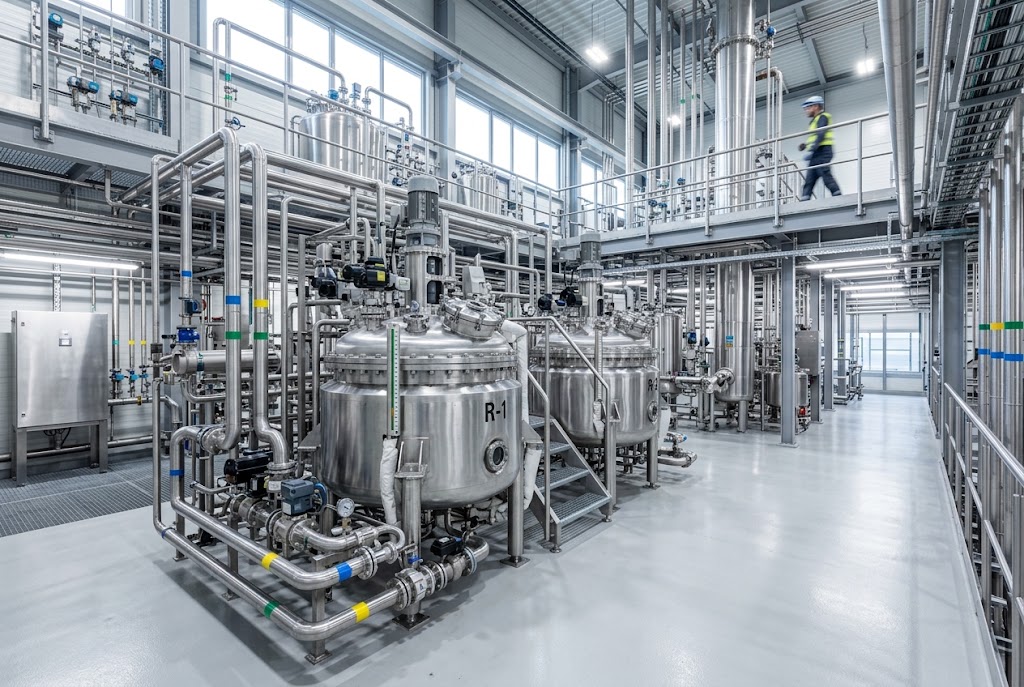
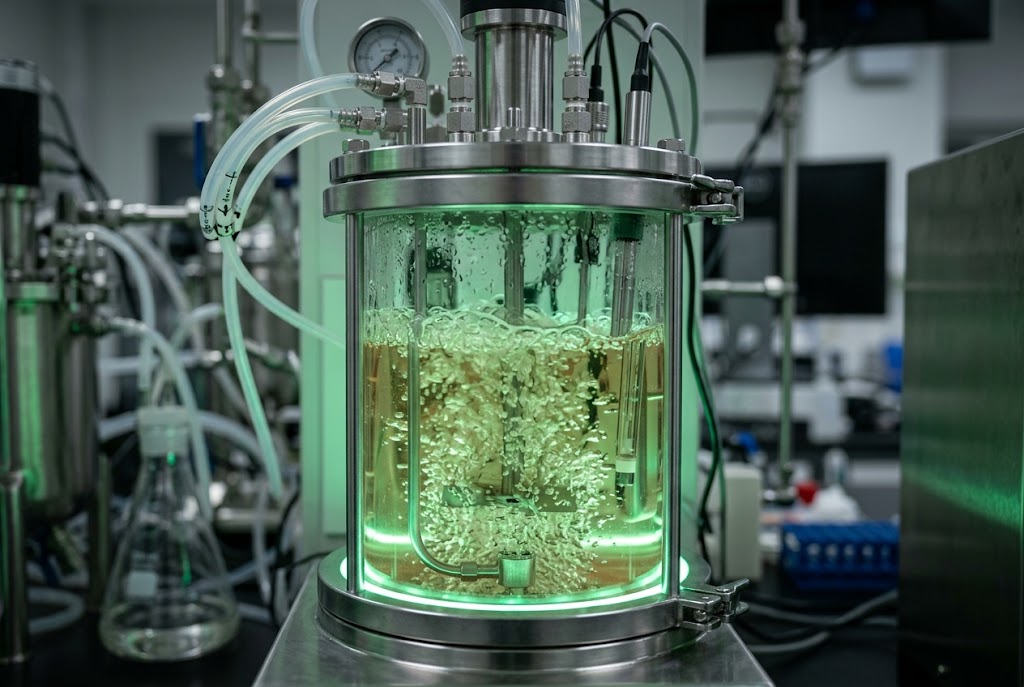
The process begins by capturing methane from various sources. These can include landfills, wastewater treatment plants, or agricultural operations. The gas is then fed into bioreactors containing the selected bacterial strains. Inside these controlled environments, the bacteria metabolize the methane. Instead of releasing carbon dioxide, they store the carbon internally as polyhydroxyalkanoates (PHAs).
PHA accumulation occurs when the bacteria are stressed or limited in other nutrients.
Extraction processes isolate the polymer from the bacterial cells without using harsh solvents.
Purification steps ensure the final material meets strict industrial specifications for purity and performance.
This biological pathway differs fundamentally from traditional petrochemical polymerization. It operates at lower temperatures and pressures. The result is a significantly reduced carbon footprint for the resulting material. Buyers seeking genuine sustainability credentials will find this lifecycle advantage compelling.
Environmental Impact and Carbon Capture Potential
Methane is a powerful greenhouse gas with a global warming potential far exceeding that of carbon dioxide. Capturing and utilizing it prevents its release into the atmosphere. The Mango Materials process turns a liability into a valuable resource. This aligns perfectly with corporate net-zero goals and regulatory pressures to reduce emissions.
The resulting biodegradable polymers offer another layer of environmental benefit. Unlike conventional plastics that persist for centuries, PHAs break down in various environments. They degrade in soil, marine water, and industrial composting facilities. This reduces the burden on landfills and mitigates ocean plastic pollution.
Marine degradation is a key feature, addressing one of the most urgent plastic waste crises.
Soil compatibility means agricultural films made from these polymers can be tilled back into the earth.
Non-toxic breakdown ensures that degradation products do not harm ecosystems or leave microplastics.
For brands facing consumer pressure to eliminate single-use plastics, this technology provides a viable alternative. It allows them to maintain product functionality while demonstrating tangible environmental stewardship. Procurement teams can leverage this narrative to enhance brand value and meet sustainability mandates.
Market Applications for Biodegradable PHAs
Polyhydroxyalkanoates produced through this method have diverse applications. Their properties can be tailored by adjusting the bacterial strains and fermentation conditions. This flexibility makes them suitable for a wide range of industries.
Packaging: The food and beverage sector is a major driver of demand. PHAs can be formed into films, containers, and coatings. They provide adequate barrier properties for many products while offering end-of-life compostability. Retailers are increasingly adopting such packaging to meet zero-waste initiatives.
Agriculture: Mulch films and plant pots made from PHAs eliminate the need for retrieval and disposal. Farmers can leave them in the field after harvest. The materials decompose naturally, enriching the soil rather than polluting it. This reduces labor costs and environmental impact for agricultural operations.
Consumer Goods: Items such as disposable cutlery, straws, and personal care containers are ideal candidates. Consumers appreciate products that align with their values. Brands using Mango Materials’ polymers can market these items as truly sustainable.
Supply Chain Considerations for Buyers
Integrating biobased polymers into existing supply chains requires careful planning. Buyers must understand the unique characteristics of PHAs compared to conventional plastics. While performance has improved dramatically, some adjustments in processing may be necessary.
Processing temperatures for PHAs are generally lower than those for polyethylene or polypropylene.
Moisture sensitivity requires proper drying before extrusion or injection molding.
Shelf life considerations differ, as the material begins to biodegrade under certain conditions.
Procurement teams should work closely with their manufacturing partners to optimize processing parameters. Trial runs are essential to ensure product quality and consistency. Sourcing from innovative providers like Mango Materials also involves evaluating their production scalability.
The current capacity may be limited compared to established petrochemical giants. However, rapid expansion is likely as demand grows. Buyers who secure early supply agreements may gain a competitive advantage. They ensure access to scarce sustainable materials before they become mainstream. Long-term contracts can also help stabilize pricing in a volatile emerging market.
Regulatory Landscape and Certification Standards
The regulatory environment for biodegradable plastics is evolving rapidly. Various certifications exist to verify claims of biodegradability and compostability. Buyers must ensure that the PHAs they source meet the relevant standards for their target markets.
ASTM D6400 and EN 13432 are key standards for industrial compostability.
OK Biodegradable MARINE certification verifies degradation in seawater environments.
USDA BioPreferred program recognizes biobased content in products.
Mango Materials’ process is well-positioned to meet these rigorous criteria. The biological origin of the polymer simplifies the certification process. However, buyers should still request up-to-date documentation from suppliers. Regulatory compliance is not just a legal requirement but a marketing asset. Certified products command higher trust and preference among conscious consumers.
International trade regulations may also impact sourcing. Tariffs and incentives for green technologies vary by region. Procurement professionals must stay informed about these policy shifts. They can affect the landed cost and competitiveness of biobased polymers. Engaging with industry associations helps track these developments effectively.
The Future of Biological Polymer Production
The success of Mango Materials signals a broader trend in chemical manufacturing. Biology is becoming a central tool for producing sustainable materials. Other companies are exploring similar pathways using different feedstocks and microorganisms. This competition will drive innovation and lower costs over time.
For chemical traders and procurement managers, this means more options will become available. The distinction between traditional plastics and biopolymers will blur as performance gaps close. Price parity is the next major milestone. As production scales up, the cost premium for PHAs will decrease.
Buyers who invest in understanding these technologies now will be better prepared for the future. They can build relationships with innovators and influence product development. This proactive approach ensures supply security and aligns business goals with environmental responsibility. The transition to a circular economy is inevitable. Early adopters will lead the way.
Strategic Steps for Procurement Teams
Procurement teams should take immediate action to explore these new materials. Start by identifying applications within your portfolio where biodegradability adds value. Engage with R&D departments to assess technical feasibility. Reach out to suppliers like Mango Materials for samples and technical data.
Evaluate the total cost of ownership, including potential savings in waste disposal and enhanced brand equity. Do not focus solely on the raw material price. The broader benefits often justify the investment. Develop a roadmap for gradual integration of biobased polymers. Set measurable sustainability targets to track progress.
Collaborate with customers to educate them about the benefits of these materials. Transparent communication builds trust and drives adoption. The market for sustainable chemicals is growing rapidly. Positioning your organization as a leader in this space offers significant competitive advantages.
Ready to source biodegradable polymers from verified global suppliers? Explore competitive offers on our platform today.
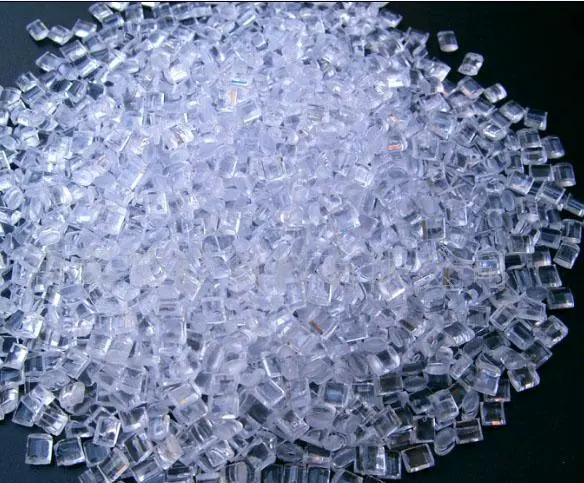
General-Purpose Polystyrene (GPPS)
Found this useful?