
Medical Device Earnings Season Intelligence: A Split Verdict on Healthcare Demand So Far
Medical device earnings season is producing a sharply divided demand picture. Intuitive Surgical beat estimates while delivering 18% growth, yet STAAR Surgical guided below expectations as Middle East-driven weakness weighed on its EMEA performance.
For chemical traders, procurement managers and industry suppliers, this split verdict offers useful intelligence about healthcare manufacturing demand. Medical devices rely on a diverse material ecosystem that includes polymers, specialty chemicals, solvents, coatings and high-purity processing inputs. However, strong results from one manufacturer do not necessarily signal uniform growth across the industry. The contrast between Intuitive Surgical and STAAR Surgical shows why suppliers need to examine individual product segments and geographic markets rather than treating medical devices as a single demand category.
Why Medical Device Earnings Matter to Chemical Suppliers
Medical device manufacturers sit downstream from a sophisticated network of chemical and material suppliers. Production can involve plastics, polymers, adhesives, coatings, cleaning agents and processing chemicals selected according to demanding performance requirements.
This makes earnings season a useful source of downstream intelligence. When manufacturers report stronger growth, suppliers can examine whether higher production volumes may eventually translate into greater material consumption.
The opposite also applies. Weaker guidance can signal slower purchasing requirements, particularly when manufacturers adjust production or inventory to reflect changing regional demand.
The current earnings picture presents both conditions simultaneously. Intuitive Surgical's 18% growth provides a strong positive signal, while STAAR Surgical's weaker guidance introduces caution.
For procurement professionals, the divergence reinforces an important principle. Healthcare demand can remain resilient overall while individual medical device categories experience very different commercial conditions.
Intuitive Surgical's 18% Growth Sends a Positive Manufacturing Signal
Intuitive Surgical's performance stands out as the stronger side of the current earnings picture. The company beat estimates while reporting 18% growth, indicating substantial momentum in its area of the medical device market.
For upstream suppliers, sustained growth can support demand for the materials required to manufacture complex medical equipment and related components.
Advanced medical devices often combine multiple material classes. Depending on the application, manufacturing can involve precision metals, engineered polymers, elastomers and specialised surface materials.
Chemical products also support production indirectly. Manufacturers and component suppliers may require cleaning agents, processing chemicals and materials used in controlled manufacturing environments.
Higher production volumes can therefore create demand across multiple tiers of the supply chain rather than benefiting only direct suppliers.
However, chemical traders should avoid assuming that 18% company growth translates directly into an equivalent increase in chemical consumption. Material intensity, inventory levels and manufacturing efficiency all influence the relationship between revenue growth and physical procurement.
The result should instead serve as a directional indicator of strength within a specific segment of advanced medical technology.
STAAR Surgical Highlights Regional Demand Risk
The weaker signal comes from STAAR Surgical, which guided below expectations amid Middle East-driven EMEA weakness. This introduces a geographic dimension that chemical suppliers need to consider.
A company can operate in a structurally attractive global market while still facing significant regional challenges. Changes in purchasing activity within one geography can influence sales expectations, inventory requirements and production planning.
For suppliers, regional weakness can affect order timing even when global demand remains relatively stable.
The Middle East-driven EMEA pressure also highlights the importance of distribution channels. Medical devices often move through complex networks involving healthcare providers, distributors and regional commercial partners.
When demand weakens in a particular market, inventory can accumulate within those channels. Manufacturers may then adjust production until inventories return to more appropriate levels.
Chemical and material suppliers positioned upstream can experience these adjustments with a delay. Monitoring regional medical device sales can therefore provide an early indication of potential changes in manufacturing orders.
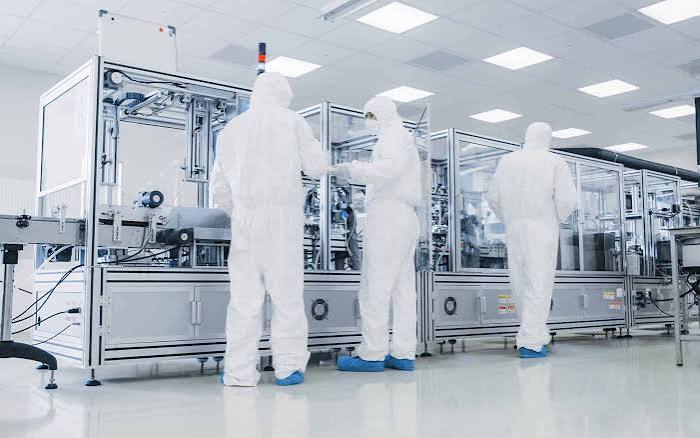
Medical-Grade Polymers Remain Central to Device Manufacturing
Polymers play an important role across the medical device industry because manufacturers require materials that combine performance, processability and design flexibility.
Products such as polyethylene terephthalate, or PET, can serve a wide range of industrial applications, while the broader medical manufacturing ecosystem uses multiple engineered and commodity polymers depending on technical requirements.
Material selection can depend on mechanical strength, chemical resistance, transparency, sterilisation compatibility and intended use.
This creates a highly segmented procurement environment. A polymer suitable for general industrial manufacturing may not automatically meet the requirements of a medical application.
For chemical traders, technical specifications therefore matter as much as availability. Buyers may require detailed documentation, consistent production quality and strict control over material properties.
Suppliers that serve medical device manufacturers must understand these requirements before positioning products for specific applications.
Growth in advanced medical technologies can support polymer demand, but the opportunity often depends on qualification and compliance rather than price alone.
Why the Split Verdict Matters for Inventory Planning
The contrasting results from Intuitive Surgical and STAAR Surgical provide an important lesson for chemical inventory management. Suppliers should not build stock based solely on broad expectations for healthcare growth.
Medical device demand varies by category, geography and customer type.
A supplier serving manufacturers connected to rapidly expanding surgical technology could experience stronger demand. Another supplier exposed to a device category facing regional weakness may see slower orders.
This divergence makes customer-level intelligence increasingly valuable.
Chemical distributors should monitor purchasing patterns among their existing customers rather than relying exclusively on industry-wide forecasts. Changes in order frequency, requested delivery dates and contract volumes can provide direct evidence of shifting demand.
Inventory policies should also reflect product flexibility. A chemical or polymer serving several industries carries different inventory risk from a highly specialised material with a narrow medical customer base.
Products with diverse applications may offer distributors greater flexibility if medical device demand weakens unexpectedly.
Regional Exposure Can Reshape Supply Chain Decisions
STAAR Surgical's Middle East-driven EMEA weakness demonstrates how regional conditions can influence global company expectations. The same principle applies to chemical procurement.
Medical device manufacturers with geographically diverse operations may adjust sourcing according to regional production requirements. Suppliers therefore need visibility into where manufacturing occurs, not simply where finished devices are sold.
A slowdown in one sales region may eventually affect factories located elsewhere if those facilities supply the weaker market.
Conversely, stronger demand in another geography can support production even when specific regions struggle.
For chemical traders operating internationally, these shifts can create both risks and opportunities. A regional slowdown may reduce demand from certain customers while freeing material for alternative markets.
Logistics also influence competitiveness. Medical manufacturing often values reliable delivery and consistent quality, which can favour suppliers with established regional distribution capabilities.
The current split earnings picture reinforces the need to map demand geographically throughout the supply chain.
What Stronger Medical Device Growth Could Mean for Chemical Demand
If stronger performers continue expanding, chemical suppliers could benefit from increased manufacturing activity across selected medical device categories.
The opportunity extends beyond finished device manufacturers. Component producers, plastics processors, contract manufacturers and packaging suppliers can all contribute to the production ecosystem.
Potential areas of chemical and material demand include:
Medical-grade and engineered polymers for device components
Specialty coatings for surfaces requiring specific performance
Adhesives used in controlled assembly processes
Cleaning and processing chemicals for manufacturing environments
Packaging materials that protect products during storage and transportation
Chemical inputs used by component manufacturers further upstream
The scale of opportunity will depend on the specific device category. Complex capital equipment can have a very different material profile from implantable or disposable products.
Chemical suppliers should therefore identify the manufacturing processes behind customer growth before forecasting material requirements.
What Weaker Guidance Could Mean for Procurement
Below-expectation guidance can lead manufacturers to become more cautious about purchasing. Companies may reduce inventory targets or delay orders if they expect slower demand.
This does not necessarily result in an immediate decline in chemical consumption. Manufacturers often operate with existing inventories and contractual purchasing commitments.
The effect can emerge gradually as companies adjust production schedules.
For suppliers, early signs may include smaller orders, longer intervals between purchases or requests for more flexible delivery arrangements.
Price negotiations can also become more competitive when downstream customers face weaker conditions. Buyers may place greater emphasis on cost reduction and working capital efficiency.
Chemical traders serving medical manufacturing customers should therefore watch commercial behaviour alongside earnings announcements.
A company's guidance provides a forward-looking signal, but actual procurement patterns determine the physical impact on chemical demand.
The Split Earnings Picture Requires Selective Market Intelligence
The contrast between Intuitive Surgical and STAAR Surgical shows why broad healthcare narratives can hide significant differences beneath the surface.
An 18% growth rate from one major medical technology company signals substantial strength. Below-expectation guidance from another, driven by Middle East-related EMEA weakness, points toward regional and category-specific challenges.
For chemical market participants, both signals can be valid at the same time.
The medical device industry consists of numerous product categories with different customers, manufacturing processes and geographic exposures. Suppliers should therefore segment their market intelligence accordingly.
Monitoring company earnings can help identify where demand momentum is developing. However, chemical traders should combine these signals with physical order data, customer inventory trends and regional manufacturing activity.
This approach can reduce the risk of overestimating demand based on the performance of a small number of high-growth companies.
What Chemical Procurement Teams Should Watch Next
The current medical device earnings season offers a split verdict rather than a single direction for the sector. Intuitive Surgical's estimate beat and 18% growth provide a strong positive signal, while STAAR Surgical's weaker guidance highlights the impact that regional demand pressure can have on company expectations.
Chemical and material suppliers should respond by focusing on customer and product-level exposure. Companies serving high-growth medical technology segments may see stronger opportunities than suppliers tied to categories facing regional weakness.
Procurement teams should also monitor inventory adjustments. If weaker medical device companies reduce production expectations, upstream material orders may eventually soften.
At the same time, stronger manufacturers could require greater supply continuity as production expands. Qualified suppliers with consistent specifications and dependable logistics may benefit from these conditions.
The key intelligence from this earnings season is therefore not that medical devices are universally strong or weak. The market is becoming increasingly differentiated, making precise demand mapping more valuable for chemical traders and procurement professionals.
Ready to source polyethylene terephthalate (PET) from verified global suppliers? Explore competitive offers on our platform today.

Polyethylene Terephthalate (PET)
Found this useful?