
Melamine: Industrial Applications in Laminates, Adhesives and Moulding Compounds
Melamine is an important nitrogen-rich organic chemical used primarily as a raw material for manufacturing melamine-formaldehyde (MF) resins. These thermosetting resins are valued across several industries because they can produce hard, durable materials with good resistance to heat, moisture, scratches and chemicals.
One of melamine's most important industrial roles is in the production of decorative laminates, engineered wood adhesives and moulding compounds. These applications support furniture manufacturing, construction, interior design, electrical equipment and household product production.
Although melamine itself is a chemical intermediate, its industrial value becomes particularly clear when it is converted into resin systems designed for specific manufacturing requirements.
Understanding Melamine and Melamine-Formaldehyde Resin
Melamine is a white crystalline organic compound with the chemical formula C₃H₆N₆ and CAS number 108-78-1. It contains approximately 66% nitrogen by weight and is mainly used to produce thermosetting resins.
When melamine reacts with formaldehyde under controlled manufacturing conditions, it forms melamine-formaldehyde resin. The resulting material can be processed into coatings, adhesives, laminating resins and moulding compounds.
Depending on the formulation and processing conditions, these resins offer several useful properties:
Hardness: Helps produce surfaces that resist everyday wear and scratching.
Heat resistance: Supports applications exposed to elevated temperatures.
Chemical resistance: Provides protection against various household chemicals, stains and cleaning agents.
Moisture resistance: Improves the performance of selected wood adhesives and composite products.
Surface quality: Allows manufacturers to produce smooth, glossy and decorative finishes.
Dimensional stability: Helps maintain the shape and structure of finished moulded products.
These characteristics make melamine-based materials suitable for applications where appearance and long-term performance are important.
1. Melamine Applications in Industrial Laminates
Laminates are among the most recognised applications of melamine-based resins. Manufacturers use melamine-formaldehyde resin to create decorative and protective surface layers for furniture, countertops, flooring and construction materials.
During laminate production, paper sheets are impregnated with resin and combined under controlled heat and pressure. The resin cures and forms a hard protective layer that bonds with the underlying material.
Major Industrial Applications
Decorative furniture surfaces: Melamine-based laminates are widely used on MDF, particleboard and other engineered wood panels. They provide attractive finishes for wardrobes, cabinets, desks, shelves and office furniture.
Kitchen and bathroom countertops: Their resistance to stains, scratches and everyday household chemicals makes them suitable for decorative countertop surfaces.
Flooring materials: Melamine resins are used in protective overlay layers for certain laminate flooring products, helping improve surface durability and wear resistance.
Wall panels and interior applications: Decorative laminates are used in wall cladding, partitions, doors and commercial interior surfaces.
Why Manufacturers Choose Melamine Resins for Laminates
The main advantage is the combination of surface appearance and functional performance. Melamine-based top layers can provide hardness, transparency and stain resistance while allowing decorative patterns and colours to remain visible.
In many high-pressure laminate systems, melamine resin is used in the decorative and protective surface layers, while phenolic resin is commonly used in the core layers.
2. Melamine in Industrial Adhesives and Engineered Wood
Another major application of melamine is the production of adhesives used in engineered wood manufacturing.
Melamine-formaldehyde and melamine-urea-formaldehyde (MUF) resins are used in selected adhesive systems to bond wood particles, fibres, veneers and other materials.
These adhesive systems are particularly important in applications requiring stronger moisture resistance and durability than conventional interior-grade bonding systems may provide.
Key Adhesive Applications
Plywood manufacturing: Melamine-based adhesive systems can help bond multiple layers of wood veneer, supporting products designed for demanding service conditions.
Particleboard production: Adhesive resins bind wood particles together under heat and pressure to produce uniform engineered panels.
Medium-density fibreboard (MDF): Selected melamine-containing resin systems are used in fibreboard production to improve bonding performance and moisture-related properties.
Decorative and laminated panels: Melamine-based adhesives and resins support the production of composite panels used in furniture, flooring and interior construction.
Benefits in Wood Adhesive Formulations
Melamine-containing adhesive systems can offer:
Improved resistance to moisture compared with certain conventional urea-formaldehyde systems.
Strong bonding between wood particles, fibres and veneers.
Better performance in selected humid or demanding service environments.
Compatibility with industrial hot-press manufacturing processes.
The exact performance depends on resin formulation, melamine content, curing conditions and the intended product grade. Manufacturers may also use MUF or other modified resin systems to balance performance and production costs.
3. Melamine in Moulding Compounds
Melamine is also an important raw material for thermosetting moulding compounds. These compounds are commonly produced using melamine-formaldehyde resin combined with fillers, pigments, curing agents and processing additives.
The mixture is processed under heat and pressure to create rigid products with defined shapes and functional properties.
Melamine moulding compounds are valued for their hardness, surface finish, electrical insulation and resistance to heat and everyday wear.
Major Moulded Product Applications
Household tableware: Melamine-based moulding compounds are used to manufacture plates, bowls, trays and other household products.
Electrical components: Their insulating properties make them useful in selected electrical fittings, switch components, terminal blocks and other technical mouldings.
Appliance components: Manufacturers use melamine-based compounds in certain appliance parts where rigidity, surface quality and heat resistance are required.
Industrial components: Depending on the formulation, these materials can be used for housings, handles, fittings and other durable moulded parts.
Why Moulding Manufacturers Use Melamine
Melamine-based moulding compounds offer a combination of mechanical strength, surface hardness, colour stability and electrical insulation. They can also be formulated to produce glossy finishes and products in different colours.
Their thermosetting nature means that once the material has cured, it cannot simply be remelted and reshaped like a conventional thermoplastic.
4. Other Industrial Applications of Melamine
Beyond laminates, adhesives and moulding compounds, melamine-based resins serve several additional industrial markets.
Surface coatings: Melamine resins are used in selected industrial and automotive coating formulations to improve hardness, gloss and chemical resistance.
Paper treatment: Resin systems can improve wet strength and other performance characteristics of treated paper products.
Textile finishing: Melamine-based treatments are used in selected textile applications to provide functional finishing properties.
Construction materials: Melamine-containing resin systems are used in engineered wood products and other construction-related materials.
These applications demonstrate the versatility of melamine as a chemical intermediate for different resin technologies.
5. Industrial Buyers: Quality Requirements and Procurement Considerations
For industrial buyers, selecting the right melamine grade is important because raw-material quality can influence resin production, processing efficiency and final product performance.
Before purchasing melamine, manufacturers should evaluate several technical and commercial factors.
Procurement factor | Why it matters |
|---|---|
Purity and assay | Helps maintain consistent resin formulation and product quality |
Moisture content | Excess moisture can affect handling and processing |
Appearance | Helps identify material that meets the required product specification |
Particle size | Influences handling, dissolution and manufacturing processes |
Packaging | Protects the material from moisture contamination |
Documentation | Supports quality verification and supplier evaluation |
Supply reliability | Helps maintain uninterrupted industrial production |
Buyers should request a current Certificate of Analysis (CoA), Safety Data Sheet (SDS) and relevant technical specifications from suppliers. They should also confirm that the grade is suitable for the intended resin or manufacturing process.
6. Storage, Handling and Industrial Safety
Melamine is supplied in powder form and requires appropriate storage and handling practices. Industrial facilities should keep the material in dry, well-ventilated storage areas and protect it from moisture and contamination.
Workers handling bulk or powdered melamine should follow the supplier's Safety Data Sheet and site-specific procedures. Appropriate protective equipment, dust-control measures and good housekeeping practices help reduce occupational exposure.
It is also important to distinguish raw melamine from finished melamine-based products. Industrial applications and food-contact suitability depend on the complete formulation, manufacturing process and applicable regulatory requirements. Not every melamine-containing material is automatically suitable for food-contact use.
7. Market Outlook: Continued Demand Across Manufacturing Industries
Demand for melamine is closely connected to activity in furniture, construction, engineered wood, household goods and industrial manufacturing.
The expansion of furniture production and demand for decorative interior surfaces support the use of melamine-based laminates. At the same time, engineered wood manufacturers require adhesive systems that balance bonding strength, moisture resistance, processing performance and cost.
Moulding compounds also remain relevant in household and electrical applications because manufacturers value their hardness, surface finish and insulating properties.
Future demand will be influenced by raw-material availability, formaldehyde-emission requirements, manufacturing costs and developments in alternative resin technologies. Manufacturers are also under pressure to improve product performance while meeting environmental and workplace safety requirements.
For melamine suppliers, maintaining consistent quality and dependable deliveries will remain important to customers operating continuous industrial production lines.
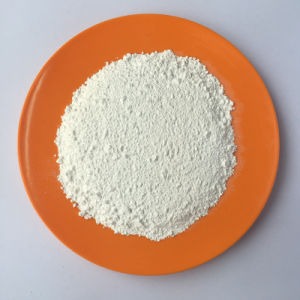
Melamine Formaldehyde (Melamine)
Found this useful?