Methanol: Global Production, Demand and Trade Developments
Methanol plays an essential role in the global chemical industry, supplying manufacturers across petrochemicals, construction, automotive, energy and numerous industrial sectors. Its importance extends beyond traditional chemical applications as emerging fuel technologies and changing international trade patterns influence market development.
Global methanol production, demand and trade developments reflect the relationship between feedstock availability, industrial capacity, regional consumption and international logistics. Asia remains a major demand centre, particularly China, while producers in the Middle East, North America and other resource-rich regions contribute significantly to international supply.
For chemical traders, importers and procurement managers, understanding these developments helps identify reliable sourcing regions, anticipate supply disruptions and evaluate purchasing opportunities. Production economics, shipping costs and geopolitical conditions increasingly influence how buyers approach the international methanol market.
Global Methanol Production and Manufacturing Landscape
Methanol, chemically known as CH₃OH, is a simple alcohol and an important industrial feedstock. Manufacturers primarily produce it through the conversion of natural gas or coal into synthesis gas, which contains hydrogen, carbon monoxide and carbon dioxide.
The synthesis gas then undergoes catalytic conversion to produce methanol. The production economics depend heavily on feedstock availability, energy consumption, plant efficiency and transportation infrastructure.
Major Methanol Production Regions
Global methanol production spans several regions, each with different cost structures and market advantages.
China: China represents a major centre of methanol production, with substantial coal-based manufacturing capacity. Its large domestic chemical industry also creates significant internal demand, particularly from methanol-to-olefins facilities.
Middle East: Countries such as Saudi Arabia, Iran, Oman and Qatar benefit from access to natural gas resources. Their production facilities support both domestic consumption and export-oriented operations.
North America: The United States benefits from natural gas availability and established petrochemical infrastructure. Competitive feedstock economics support methanol manufacturing and international exports.
Trinidad and Tobago: The country has traditionally played an important role in international methanol supply, particularly for markets in Europe and the Americas.
Southeast Asia: Malaysia and other regional producers contribute to the growing production base, supported by industrial development and investment in chemical manufacturing.
Production capacity does not always translate directly into available export volumes. Domestic consumption, plant operating rates, maintenance schedules and feedstock constraints determine how much methanol producers can offer to international buyers.
Natural Gas and Coal-Based Production
Natural gas-based production generally benefits from efficient access to relatively affordable gas resources. However, changes in gas prices and availability can quickly affect manufacturing costs.
China's coal-based production model provides an alternative feedstock route. Nevertheless, coal conversion involves different environmental and operating considerations, making energy efficiency and emissions management important factors for producers.
Global Methanol Demand and Major Consumption Sectors
Methanol demand reflects activity across traditional chemical manufacturing and newer energy-related applications. According to Methanex's 2025 annual information, global methanol demand increased modestly during 2025 to just below 100 million tonnes, supported by growth in Asia and China.
Traditional chemical applications account for approximately half of global methanol demand. The remaining consumption comes from applications such as methanol-to-olefins, fuels and other industrial uses.
Methanol in Chemical Manufacturing
Traditional chemical production remains a major source of methanol consumption.
Important downstream applications include:
Formaldehyde: Manufacturers use methanol to produce formaldehyde, which supports resin production, engineered wood products, adhesives and construction materials.
Acetic Acid: Methanol serves as a key feedstock in acetic acid manufacturing. Acetic acid supports applications across solvents, textiles, coatings and chemical intermediates.
Methyl Tertiary-Butyl Ether (MTBE): This methanol derivative serves as a gasoline blending component in markets where its use remains permitted.
Dimethyl Ether (DME): Manufacturers use methanol to produce DME, which has applications in aerosol propellants, LPG blending and selected fuel applications.
Other Chemical Intermediates: Methanol also supports the manufacture of methylamines, methyl methacrylate and other industrial chemicals.
Methanol-to-Olefins and Emerging Applications
China has become particularly important in methanol-to-olefins (MTO) technology. These facilities convert methanol into ethylene and propylene, which manufacturers subsequently use in plastics, packaging, textiles and automotive components.
Methanex estimated that merchant methanol consumption by Chinese MTO facilities reached approximately 18 million tonnes in 2025, excluding demand from upstream-integrated coal-to-olefins plants.
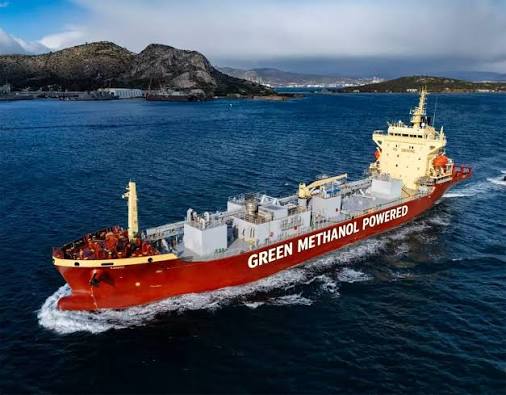
Fuel applications also contribute to consumption. Methanol can support the production of biodiesel and DME, while interest in methanol-powered marine transport creates additional opportunities for the industry.
International Methanol Trade and Export Dynamics
International trade connects production centres with industrial consumers that lack sufficient domestic manufacturing capacity. Methanol is particularly suitable for international bulk transportation through dedicated chemical tankers and specialised storage infrastructure.
The International Renewable Energy Agency (IRENA), together with the World Trade Organization, identified Trinidad and Tobago, Oman, Saudi Arabia and the United States among the leading methanol exporters in 2023.
China represented the largest import market by value, accounting for close to 35% of global methanol import value during that year. India, the Netherlands, Brazil and South Korea also ranked among the significant importing markets.
China's Influence on Global Trade
China's position as both a major producer and importer makes it a central influence on international methanol trade.
Its import requirements reflect the balance between domestic production, downstream consumption and the economics of imported material. When domestic production cannot satisfy industrial requirements competitively, import demand can increase.
MTO operating rates also influence purchasing requirements. If methanol prices rise faster than downstream olefin prices, producers may reduce operating rates, affecting import demand.
Middle Eastern Export Importance
The Middle East remains a strategically important export region because of its natural gas resources and established methanol production infrastructure.
However, international trade can become vulnerable when regional shipping routes face disruption. The Strait of Hormuz is particularly important because a substantial volume of global methanol exports originates from producers in and around the Persian Gulf.
The International Energy Agency's Global Hydrogen Review 2026 highlights the Middle East's significant position in global methanol production and trade. It estimates that the region accounts for close to 45% of international methanol trade.

Factors Influencing Methanol Supply and Market Prices
Methanol prices respond to several interconnected factors. Buyers who understand these influences can evaluate quotations more effectively and make better-informed purchasing decisions.
Feedstock and Production Costs
Natural gas prices remain a major consideration for gas-based producers. Changes in energy markets can influence operating costs and affect the competitiveness of different production regions.
Coal prices, electricity expenses and environmental compliance costs also influence coal-based manufacturing economics.
Plant Operating Rates and New Capacity
Production capacity additions can improve supply availability, but actual market conditions depend on operating rates.
Planned maintenance, technical problems and feedstock shortages can reduce production even when nominal capacity remains unchanged.
China added approximately 1 million tonnes of methanol capacity during 2025, while Malaysia added approximately 1.8 million tonnes, according to Methanex's 2025 annual reporting.
These additions contribute to the changing global supply landscape, although their influence depends on commissioning schedules and operational performance.
Freight Costs and Geopolitical Developments
International shipping costs influence the delivered price of methanol. Longer shipping routes, port congestion, insurance expenses and vessel availability can change the economics of sourcing from particular countries.
Geopolitical developments also create uncertainty for importers. Sanctions, trade restrictions and regional conflicts can affect export availability, payment arrangements and shipping routes.
The disruptions affecting Middle Eastern energy and chemical supply chains during 2026 demonstrate how regional developments can influence methanol availability across distant markets.
Regional Market Developments and Trading Opportunities
Different regions offer distinct opportunities and challenges for methanol buyers.
Asia-Pacific
Asia-Pacific remains the most influential methanol consumption region, with China acting as a major demand centre.
India also represents an important importing market because of its requirements for industrial chemicals and downstream manufacturing. Southeast Asian countries contribute through both production and consumption.
For buyers across Asia, sourcing decisions often depend on proximity to suppliers, freight economics and the reliability of regional export infrastructure.
Europe
European methanol demand connects closely with chemical manufacturing, construction-related applications and industrial production.
Importers depend on international suppliers to supplement regional production. Energy costs, environmental requirements and shipping conditions influence procurement decisions.
The Netherlands also serves as an important trading and distribution location because of its established port and chemical logistics infrastructure.
North and South America
The United States benefits from domestic natural gas availability and established manufacturing capacity. Trinidad and Tobago remains relevant to Atlantic Basin supply.
Brazil also represents an important consumption market, supported by chemical manufacturing and fuel-related applications.
These regional markets provide opportunities for traders who can manage freight costs and maintain consistent supply relationships.
Sustainability and the Development of Renewable Methanol
Environmental considerations increasingly influence the long-term development of the methanol industry.
Conventional methanol production relies mainly on fossil feedstocks. Manufacturers and technology developers are therefore exploring alternative production pathways that can reduce lifecycle greenhouse gas emissions.
Bio-Methanol and E-Methanol
Two important alternatives are bio-methanol and e-methanol.
Bio-methanol: Producers manufacture bio-methanol using renewable biomass and suitable waste-derived feedstocks. Its environmental performance depends on feedstock sourcing and production methods.
E-methanol: This pathway combines renewable hydrogen with captured carbon dioxide to produce synthetic methanol. Renewable electricity plays an important role in its production economics.
These alternatives could create additional supply opportunities for shipping, chemical manufacturing and other industrial applications.
However, renewable methanol still faces challenges involving production costs, project financing, feedstock availability and certification requirements.
For procurement professionals, evaluating renewable methanol requires attention to production pathways, carbon accounting methodologies and recognised sustainability certification.
What Global Buyers Should Consider When Sourcing Methanol
International methanol procurement requires more than comparing the lowest available quotation. Buyers should assess product quality, supplier reliability, transportation arrangements and regulatory requirements before confirming orders.
Several practical considerations can improve sourcing decisions:
Verify supplier credentials: Review the supplier's business history, manufacturing relationships, export experience and ability to fulfil contracted quantities.
Confirm product specifications: Request a Certificate of Analysis (COA) and verify methanol purity, water content and other agreed technical parameters.
Evaluate packaging and transportation: Determine whether bulk tanker shipments, ISO tanks or other suitable transportation arrangements meet the requirements of the receiving facility.
Compare landed costs: Consider the product price alongside freight, insurance, handling, port charges and applicable import duties.
Check regulatory compliance: Review applicable chemical import regulations, safety documentation, transport classifications and customs requirements.
Assess payment and contractual terms: Clarify payment arrangements, delivery obligations, inspection procedures and responsibilities for delays or cargo discrepancies.
Documentation and Safe Handling
Methanol is a highly flammable and toxic liquid. Exposure through ingestion, inhalation or skin absorption can cause serious health effects, including permanent visual damage.
Importers and industrial users should maintain appropriate safety procedures throughout storage, transportation and handling.
Common procurement documents include:
Safety Data Sheet (SDS).
Certificate of Analysis (COA).
Commercial invoice.
Packing list, where applicable.
Bill of lading.
Certificate of origin, where required.
Relevant transport and regulatory documentation.
Buyers should also ensure that storage tanks, transfer equipment and workplace safety systems meet applicable requirements.
The Outlook for Methanol Production and Trade
The global methanol market will continue to respond to changing industrial requirements, production economics and international trade conditions.
Demand growth in Asia, particularly China, remains an important market driver. At the same time, new production capacity in China and Malaysia could influence regional supply balances and international trade competitiveness.
Supply reliability will remain a major consideration for import-dependent markets. Feedstock availability, plant operating rates, geopolitical developments and shipping conditions can all influence the quantity of methanol available to international buyers.
The expansion of renewable methanol projects may gradually introduce new sourcing options. However, conventional natural gas and coal-based production will continue to play an important role in meeting established industrial requirements.
For chemical traders and procurement managers, the priority should be to maintain diversified supplier relationships, monitor regional market conditions and evaluate purchasing decisions against total landed costs rather than product prices alone.

Methanol
Found this useful?