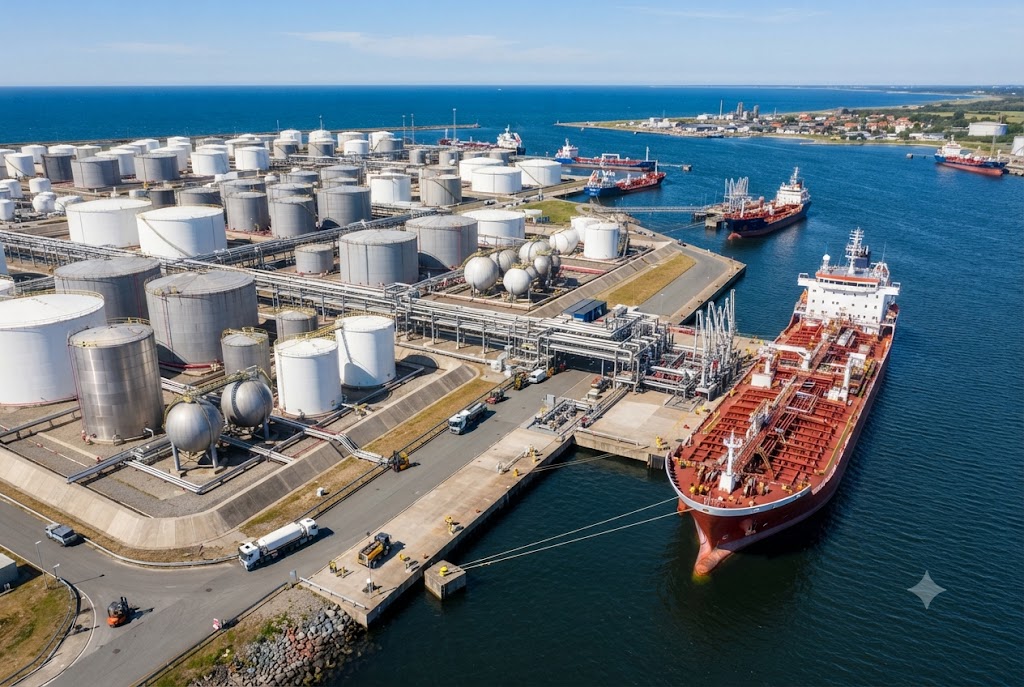
Global methanol markets remain exceptionally tight as structural supply constraints persist into the second half of 2026. Methanex recently reported record adjusted EBITDA for the second quarter, a financial result that directly reflects the severe lack of available spot cargo across major trade routes. The ongoing Middle East conflict continues to disrupt shipping lanes and restrict exports from key producing nations.
Procurement managers and chemical traders are watching these geopolitical developments closely for any signs of easing. However, the current supply deficit forces buyers to compete aggressively for every available ton of material. This prolonged tightness fundamentally alters sourcing strategies and contract negotiations for downstream consumers across the globe.
Buyers must adapt to a market where supply security commands a heavy premium. This post examines the drivers behind the persistent deficit and outlines actionable steps for securing essential cargo.
Geopolitical Friction and Middle East Supply Disruptions
The Middle East conflict remains the primary catalyst for global supply constraints in the chemical sector. Major producing nations in the Persian Gulf rely heavily on the Strait of Hormuz to export their liquid cargoes to international markets efficiently.
Any escalation in regional tensions immediately triggers higher war risk insurance premiums and massive freight surcharges. Several shipping lines have already rerouted vessels around the Cape of Good Hope, adding weeks to transit times and removing effective capacity from the market entirely.
This logistical friction severely limits the volume of material reaching Asian and European ports on schedule. Buyers waiting for Gulf origin cargo face extended lead times and highly unpredictable arrival schedules at their designated discharge terminals.
Port congestion further exacerbates these delays as diverted vessels bunch up at alternative routing hubs. Terminal operators struggle to handle the sudden influx of off-schedule ships, creating massive bottlenecks that delay cargo discharge for weeks.
Supply chain planners must now build significant time buffers into their production schedules to accommodate these unpredictable maritime delays.
Methanex Record EBITDA and Producer Pricing Power
Methanex achieved record adjusted EBITDA in the second quarter by capitalising on this exact supply deficit. The company leveraged its non-Gulf production assets to supply desperate buyers willing to pay significant origin premiums for guaranteed delivery.
This financial outperformance demonstrates the immense pricing power held by producers with secure logistics networks and diversified global assets. Suppliers operating outside the conflict zone can dictate commercial terms and enforce strict allocation policies across their entire customer base.
Buyers must recognise that this pricing power will not dissipate quickly once the initial shock fades. Producers have absolutely no incentive to lower prices while spot demand continues to outstrip available supply in every major region.
The record earnings also provide these producers with substantial capital to invest in further supply chain optimisation and logistics infrastructure. This financial strength entrenches their market position and makes it even harder for smaller competitors to challenge their pricing dominance.
Procurement teams must adjust their cost models to reflect this new baseline of elevated supplier margins.
Downstream Demand and Inventory Depletion
Downstream consumption remains remarkably robust despite elevated prices, preventing the market from reaching a natural equilibrium. Formaldehyde producers, acetic acid manufacturers and biodiesel blenders all require continuous feedstock flows to maintain their own production schedules and meet customer orders.
Industrial consumers exhausted their strategic reserves during the first quarter while hoping for a rapid price correction. The market has now depleted those inventory buffers completely, forcing buyers back into the spot market to cover immediate operational needs.
This lack of downstream inventory removes the primary shock absorber from the global supply chain. Any minor disruption at a production facility or loading terminal immediately translates into severe spot price spikes and allocation shortages.
Biodiesel producers face particular pressure because they cannot easily substitute alternative alcohols in their transesterification processes. Their rigid feedstock requirements force them to pay whatever premium the spot market demands to keep their plants running.
This inelastic demand profile ensures that prices will remain sticky on the downside even if supply conditions improve marginally in the coming months.
Freight Volatility and Delivered Cost Calculations
Freight volatility now dictates the true landed cost of chemical imports just as much as the base cargo price. Tanker rates have surged as vessel availability tightens and voyage durations increase due to widespread maritime rerouting.
Procurement teams must calculate total delivered costs rather than comparing ex-works prices in isolation. A seemingly cheap cargo from a distant origin often becomes the most expensive option once freight, insurance and demurrage charges are applied to the final invoice.
Securing dedicated vessel space or long-term freight contracts provides a crucial advantage in this highly volatile environment. Buyers who rely solely on spot freight markets expose themselves to massive margin erosion when shipping rates spike unexpectedly during peak demand periods.
Demurrage costs also accumulate rapidly when congested ports delay vessel discharge beyond the agreed laytime. These hidden logistical penalties can easily wipe out any initial savings achieved through aggressive cargo price negotiations.
Smart buyers now integrate their chemical purchasing and freight procurement teams to optimise the entire supply chain holistically.
Regional Pricing Disparities and Arbitrage Opportunities
The persistent supply constraints have created severe pricing disparities across regional markets. Asian spot assessments currently trade at a significant premium to European and American benchmarks due to intense regional demand and limited import availability.
Traders and importers are actively scanning these regional gaps for profitable arbitrage opportunities. Moving cargo from surplus regions to deficit markets requires precise execution and rapid logistical coordination to capture the margin before it disappears.
However, these arbitrage windows close quickly as major producers redirect their available volumes to the highest bidding regions. Buyers must maintain real-time market intelligence to capitalise on these brief pricing inefficiencies before competitors secure the cargo.
European buyers face the most challenging environment because the region lacks sufficient domestic production to meet its baseline chemical demand. They must consistently outbid other regions to attract the limited import cargoes arriving from the Americas or the Middle East.
This structural regional imbalance guarantees that international trade flows will remain highly dynamic and fiercely contested for the foreseeable future.
Contract Renegotiation and Allocation Risks
Existing supply contracts offer limited protection when producers face severe allocation constraints across their global networks. Suppliers frequently invoke force majeure clauses or simply delay shipments to prioritise higher-margin spot sales over legacy contract volumes.
Procurement managers must renegotiate legacy agreements to include stricter delivery penalties and firm volume guarantees. Relying on historical supplier reliability is dangerous when the entire industry faces structural shortages and immense spot market temptations.
Diversifying the supply base across multiple geographic origins reduces exposure to single-point failures and regional disruptions. Qualifying alternative producers in North America or South America provides crucial backup options when Gulf supply chains experience unexpected interruptions.
Buyers should also consider investing in local storage infrastructure to hold larger buffer stocks near their consumption points. This physical inventory provides the ultimate protection against global logistics failures and supplier allocation decisions.
Building strong strategic partnerships with secondary suppliers ensures they will prioritise your orders during periods of industry-wide scarcity.
What Procurement Teams Should Do Now
Navigating a persistently tight market requires proactive strategic adjustments rather than reactive purchasing decisions. Procurement teams must implement rigorous risk management protocols to protect their production schedules and profit margins from external shocks.
Audit all active supply contracts to verify allocation commitments and enforce strict delivery penalties for missed shipments.
Increase safety stock levels for critical feedstocks to buffer against unexpected logistical delays and port congestion.
Qualify alternative origins and secondary suppliers to reduce dependency on conflict-affected trade routes and single-source risks.
Lock in freight capacity through long-term agreements to insulate delivered costs from spot market volatility and demurrage charges.
Monitor geopolitical developments and shipping lane status daily to anticipate supply disruptions before they impact cargo flows.
These strategic adjustments transform supply chain vulnerability into managed risk and operational resilience. Organisations that adapt their sourcing models to the current geopolitical reality will secure the material they need while competitors face production shutdowns.
The market will eventually stabilise, but the lessons learned during this prolonged tightness will define industry leaders for years to come.
Ready to source methanol from verified global suppliers? Explore competitive offers on our platform today.