Methanol-to-Olefins and the Coal Chemistry Carbon Question
Methanol-to-Olefins and the Coal Chemistry Carbon Question
Introduction
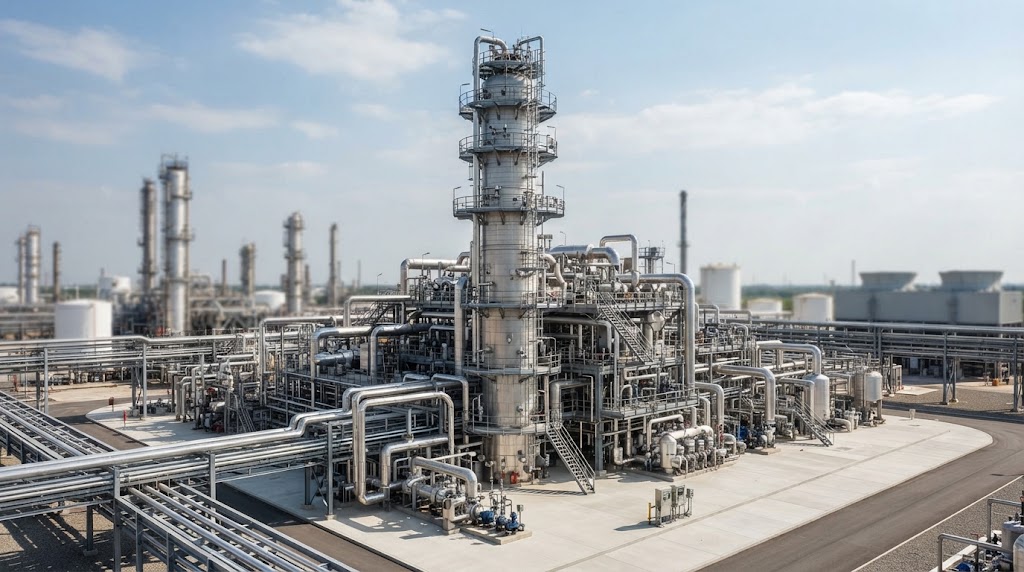
The Methanol-to-Olefins (MTO) process has become a strategically important technology for the global petrochemical industry, particularly in regions with abundant coal or methanol resources. By converting methanol into high-value olefins such as ethylene and propylene, MTO enables countries to reduce dependence on conventional naphtha-based petrochemical production and diversify feedstock sources.
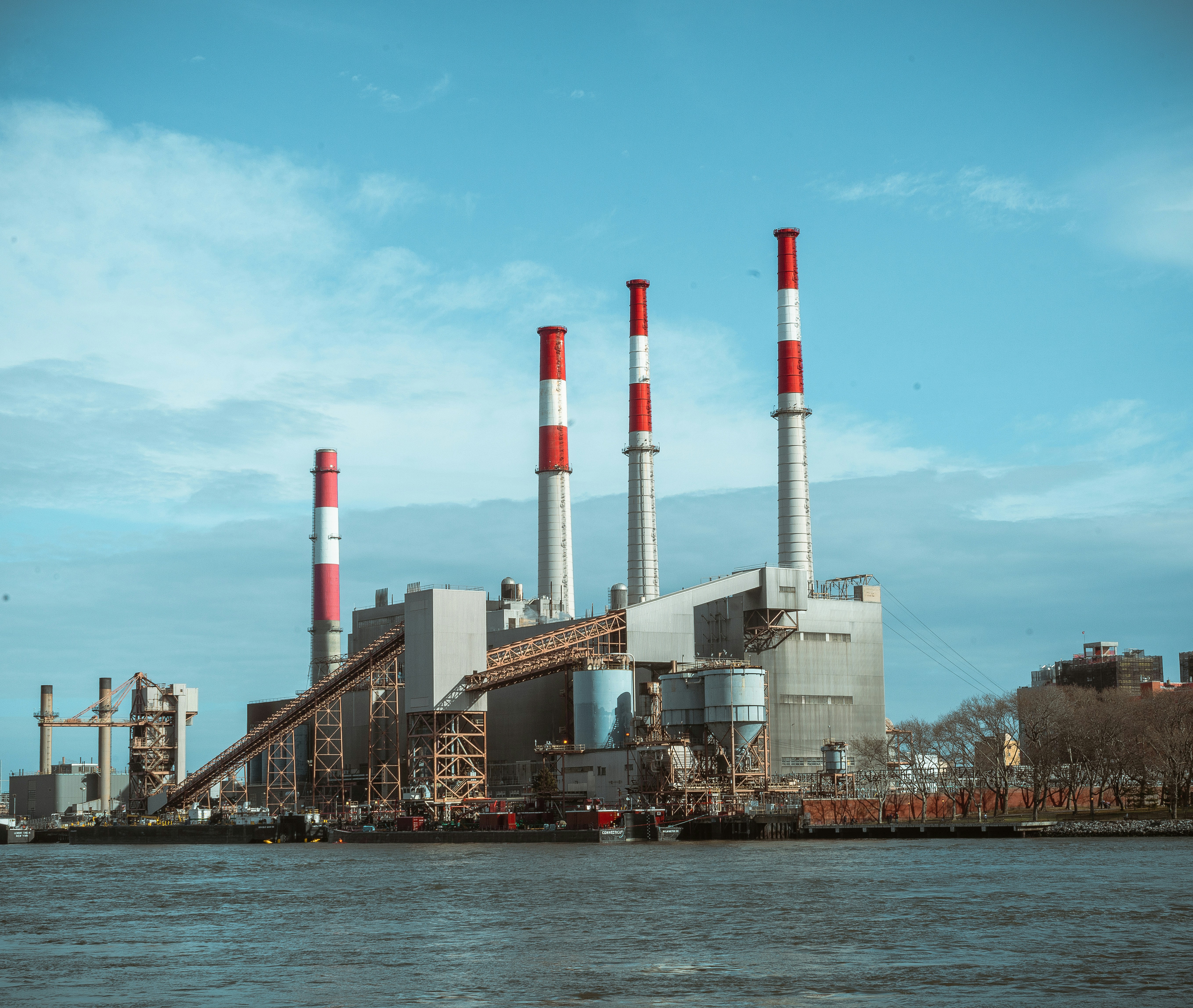
However, as governments and manufacturers accelerate decarbonisation efforts, the environmental footprint of coal-based methanol production has come under increasing scrutiny. While MTO offers feedstock flexibility and improved resource utilization, its carbon intensity largely depends on how the methanol feedstock is produced. This has sparked an important debate about the long-term role of coal chemistry in a low-carbon global economy.
For chemical manufacturers, procurement professionals, and investors, understanding the relationship between MTO technology and carbon emissions is becoming essential for future sourcing and investment decisions.
What Is Methanol-to-Olefins (MTO)?
Methanol-to-Olefins is a catalytic process that converts methanol into light olefins, primarily:
Ethylene
Propylene
These olefins serve as the building blocks for numerous downstream products, including:
Polyethylene
Polypropylene
Synthetic fibers
Packaging materials
Automotive plastics
Consumer goods
Industrial chemicals
Unlike conventional steam cracking, which typically uses naphtha or ethane, MTO relies on methanol as its primary feedstock.
Why MTO Has Gained Global Importance
Several factors have driven the expansion of MTO technology.
Feedstock Flexibility
Methanol can be produced from multiple sources, including natural gas, coal, biomass, and renewable hydrogen combined with captured carbon dioxide.
Resource Diversification
Countries with limited oil resources but abundant coal or natural gas reserves can develop domestic petrochemical industries using methanol-based production.
Supply Chain Security
MTO provides manufacturers with additional feedstock options, reducing dependence on a single raw material source.
Growing Petrochemical Demand
Rising global demand for plastics and specialty chemicals continues to support investment in alternative olefin production technologies.
The Carbon Question
The environmental impact of MTO depends primarily on the carbon intensity of methanol production rather than the conversion process itself.
Coal-Based Methanol
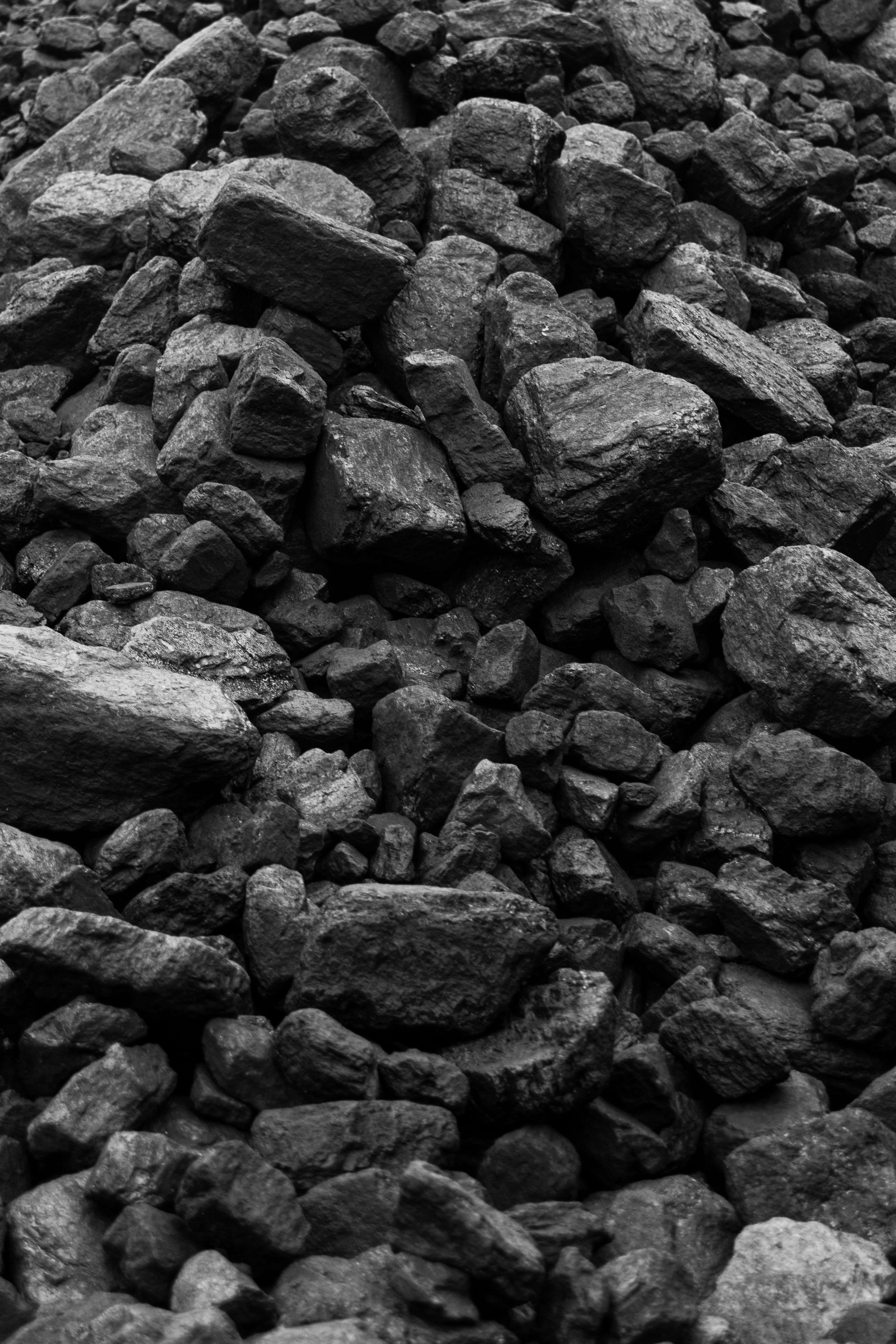
When methanol is produced from coal gasification, greenhouse gas emissions are significantly higher due to the carbon-intensive nature of coal processing.
Potential challenges include:
Higher carbon dioxide emissions.
Increased energy consumption.
Greater environmental compliance costs.
Exposure to carbon pricing mechanisms.
Natural Gas-Based Methanol
Methanol produced from natural gas generally has a lower carbon footprint than coal-based production, although emissions remain significant.
Renewable Methanol
Methanol synthesized using renewable hydrogen and captured carbon dioxide offers a promising pathway toward lower-carbon olefin production, supporting long-term decarbonisation goals.
Implications for the Chemical Industry
The carbon intensity of feedstocks is becoming an increasingly important factor in chemical manufacturing.
Companies are now evaluating:
Carbon emissions across the full value chain.
Feedstock sustainability.
Regulatory compliance.
Customer demand for lower-carbon products.
Long-term competitiveness.
As carbon reporting requirements become more stringent, procurement decisions are expected to place greater emphasis on lifecycle emissions rather than purchase price alone.
Procurement Strategies for Low-Carbon Olefins
Procurement professionals can help organizations manage both cost and sustainability objectives.
Recommended actions include:
Assess Feedstock Origin
Understand whether methanol is produced from coal, natural gas, biomass, or renewable sources.
Include Carbon Metrics in Supplier Evaluation
Expand supplier assessments to include emissions intensity, environmental certifications, and decarbonisation commitments.
Diversify Supply Sources
Reduce dependence on a single production pathway by qualifying suppliers using different feedstocks and geographic regions.
Monitor Carbon Regulations
Track developments in emissions reporting, carbon pricing, and sustainability standards that may influence future procurement costs.
Evaluate Total Cost of Ownership
Consider logistics, emissions, energy costs, regulatory exposure, and long-term sustainability alongside purchase price.
The Future of MTO in a Decarbonising World
MTO technology is expected to remain an important part of the global petrochemical industry, but its long-term sustainability will increasingly depend on cleaner methanol production.
Future developments are likely to include:
Greater adoption of renewable methanol.
Improved carbon capture technologies.
Increased use of low-carbon electricity.
Higher process efficiency.
Stronger integration with circular carbon initiatives.
These innovations could significantly reduce the carbon footprint of methanol-based olefin production while preserving the economic advantages of feedstock diversification.
Looking Ahead
The debate surrounding coal-based chemistry reflects a broader transformation occurring across the global chemical industry. Companies are no longer evaluated solely on production efficiency but also on environmental performance, energy resilience, and supply chain sustainability.
Organizations that invest in lower-carbon feedstocks, digital procurement intelligence, and diversified sourcing strategies will be better positioned to meet evolving customer expectations and regulatory requirements.
Conclusion
Methanol-to-Olefins technology has transformed the petrochemical landscape by providing an alternative pathway for producing essential olefins. However, the industry's future depends increasingly on the carbon intensity of methanol production.
While coal-based methanol continues to offer feedstock security in some regions, global decarbonisation efforts are accelerating the transition toward cleaner production methods. For procurement leaders and chemical manufacturers, balancing cost competitiveness with sustainability will be essential to maintaining long-term resilience in an increasingly carbon-conscious marketplace.
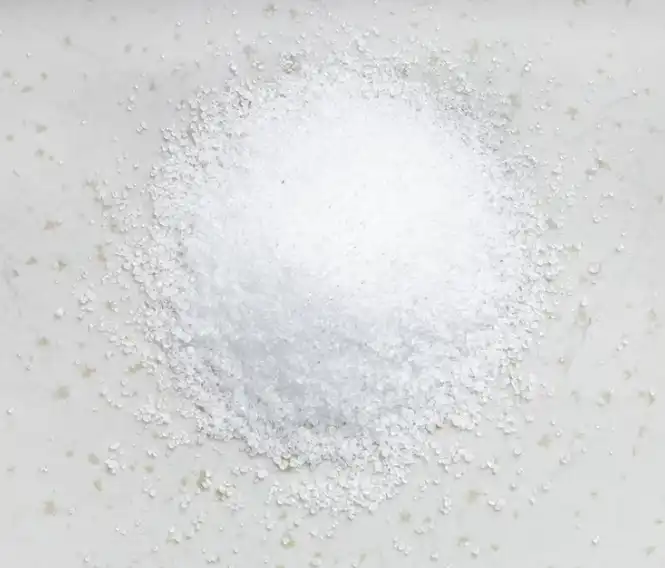
Ammonium Bicarbonate (E503(ii))
Found this useful?