Methanol trade rerouting after Middle East supply shocks
Global chemical markets experienced severe turbulence when unexpected Middle East supply shocks choked primary Gulf export routes. Traders watched vessel loadings stall at key regional terminals while buyers scrambled to cover immediate production needs.
This sudden disruption triggered massive methanol trade rerouting across the globe. Procurement managers who relied heavily on regional cargoes faced immediate force majeure declarations and spot market shortages.
The shock exposed the fragility of concentrated supply chains and forced a rapid realignment of global shipping lanes. Buyers quickly pivoted toward alternative origins to keep their downstream derivative plants running.
The following sections detail how this scramble unfolded and what the new trade map means for future contracts. Market participants must adapt quickly to survive these sudden shifts.
The Anatomy of the Middle East Methanol Supply Shock
The disruption began with localized infrastructure failures and geopolitical tensions near critical maritime chokepoints. Major regional producers declared force majeure after port congestion prevented vessels from loading their scheduled cargoes.
These Gulf export routes normally handle a massive percentage of global seaborne volume. When the loading arms stopped, the physical shortage rippled outward within days.
Asian and European buyers received cancellation notices for their fixed contracts. Spot availability evaporated almost instantly as remaining inventory sold at steep premiums.
Producers in the region prioritized their own domestic downstream consumption to protect local margins. This decision starved the export market and left international traders with empty tanks and unfulfilled orders.
How Global Trade Routes Rerouted Overnight
The sudden vacuum in the East forced buyers to look West and South for replacement tonnes. Trade lanes that normally see moderate traffic suddenly experienced massive spikes in booking requests.
Vessels originally destined for the Gulf diverted toward the US Gulf Coast and the Caribbean. Terminal operators in Texas and Trinidad scrambled to accommodate the unexpected surge in lift demand.
European buyers turned to regional North Sea producers and North African suppliers to bridge the gap. These shorter routes offered faster delivery times but lacked the sheer volume required to replace the missing Middle Eastern cargoes.
The physical flow of methanol shifted dramatically within a single month. Shipping schedules rewrote themselves in real time as charterers paid premium freight rates to secure any available capacity.
The Scramble for Alternative Methanol Sources
Procurement teams aggressively courted producers in the Americas to secure replacement volumes. US Gulf Coast plants operated at maximum capacity and still struggled to meet the sudden spike in export inquiries.
South American producers saw their order books fill up for the entire quarter within days. Buyers accepted longer sailing times and higher freight costs just to guarantee physical delivery.
US Gulf Coast plants: Increased operating rates and diverted domestic volumes to the export market to capture high netback prices.
Trinidad and Tobago facilities: Maximized their utilization rates and prioritized long term European contracts over spot Asian inquiries.
South American exporters: Rerouted cargoes originally meant for local consumption onto the water to satisfy desperate overseas buyers.
This scramble highlighted the importance of maintaining a geographically diverse supplier base. Buyers with rigid single origin contracts suffered the most severe production cuts.
Freight and Logistics Bottlenecks in the New Map
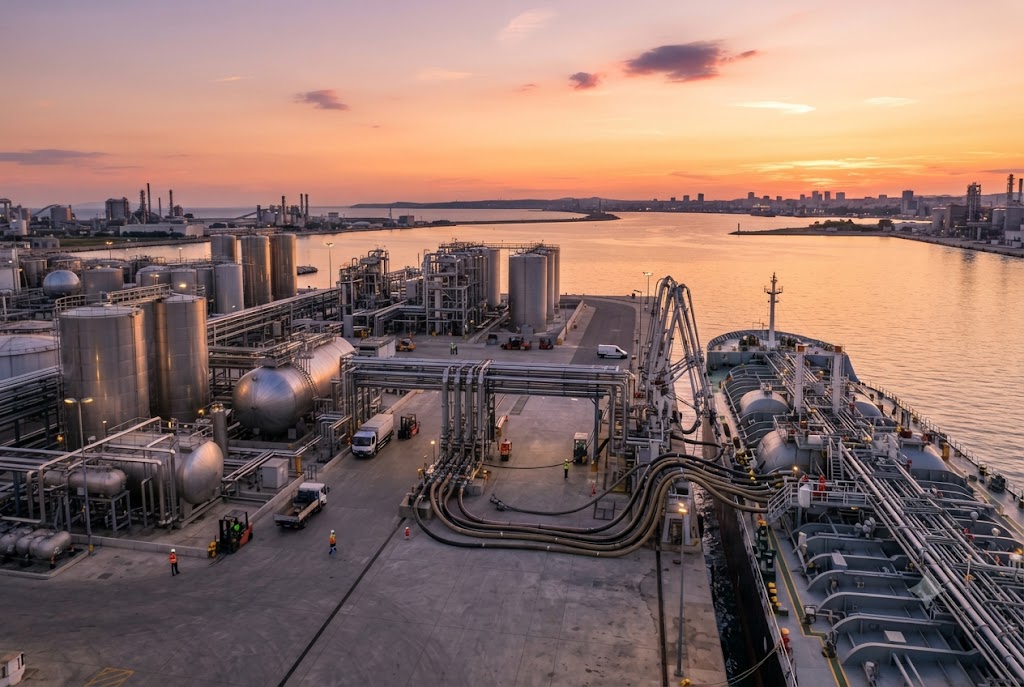
Rerouting global chemical flows requires more than just finding a willing seller. The sudden shift in demand overwhelmed the available fleet of parcel tankers and ISO tank containers.
Freight rates for chemical vessels spiked as charterers competed fiercely for limited tonnage. Shipowners imposed strict demurrage terms and demanded premium hire rates to alter their established voyage schedules.
Port congestion worsened at the alternative loading hubs. Terminals in the Americas lacked the sheer pumping speed and storage capacity to handle the massive influx of export cargoes without severe delays.
Buyers faced a dual squeeze from rising product prices and exploding logistics costs. The landed cost of replacement material often exceeded the original contract price by a significant margin.
Price Impacts and Contract Renegotiations
The physical shortage immediately translated into aggressive price rallies across all major trading hubs. Spot premiums widened to record levels as desperate buyers bid against each other for the few remaining cargoes.
Contract sellers invoked hardship clauses to renegotiate fixed pricing agreements. Buyers faced the difficult choice of accepting higher prices or facing total supply starvation.
The price spread between regional markets blew out to historic levels. Arbitrage windows opened wide enough to justify the expensive long haul freight from the Americas to Asia.
Traders capitalized on these wide spreads by booking vessels on the spot market. They bought material in the Americas and sold it into the premium Asian markets to capture the massive geographical arbitrage.
The Role of Traders in Stabilizing the Market
Chemical trading houses played a crucial role in bridging the gap between stranded sellers and desperate buyers. These intermediaries leveraged their global networks to locate hidden inventory in remote storage terminals.
Traders chartered vessels on the spot market and assumed the financial risk of moving material across unpredictable shipping lanes. Their willingness to take physical positions provided much needed liquidity to a frozen market.
They also structured complex back to back deals that allowed buyers to secure volume without taking on the massive freight exposure. This financial intermediation kept downstream plants running when direct contracts failed completely.
Downstream Effects on Formaldehyde and Acetic Acid
The shortage of primary feedstock quickly cascaded into the derivative markets. Plants producing formaldehyde and acetic acid curtailed their operating rates as their raw material tanks ran dry.
Resin manufacturers faced delayed deliveries and allocation limits from their chemical suppliers. This bottleneck eventually reached the construction and automotive sectors that rely on these downstream materials.
Formaldehyde producers: Reduced output and declared force majeure on their own downstream resin contracts.
Acetic acid plants: Cut operating rates to preserve inventory and prioritized their highest margin specialty customers.
Solvent blenders: Substituted alternative chemicals where possible to keep their blending operations running.
The entire value chain felt the pain of the initial supply shock. Margins compressed for derivative producers who could not pass the full cost increase onto their end customers.
Long Term Implications for Global Supply Chains
The recent supply shock permanently altered how buyers view geographical risk in their procurement strategies. Companies now recognize that relying on a single maritime chokepoint invites unacceptable operational exposure.
Producers in alternative regions are expanding their storage and loading infrastructure to capture this newly diversified demand. These capital investments will permanently increase the baseline capacity available outside the traditional Gulf routes.
Future contracts will likely include more flexible origin clauses that allow buyers to switch loading ports without penalty. This structural shift ensures the market remains resilient against future regional disruptions.
What Procurement Teams Should Do Now
The recent crisis proves that relying on a single geographical region for critical feedstocks invites unnecessary risk. Procurement managers must build resilient supply networks that can withstand sudden regional shocks.
Diversify your origin base: Qualify suppliers in the Americas and Europe to ensure you have viable alternatives when Eastern routes face disruption.
Negotiate flexible freight terms: Build logistics contingencies into your contracts so you can pivot to different loading ports without facing punitive penalties.
Monitor geopolitical risk: Track maritime chokepoints and regional infrastructure upgrades to anticipate potential bottlenecks before they halt your supply.
Securing reliable chemical supply requires proactive risk management and constant market vigilance. The most successful buyers treat logistics and origin diversity as core components of their procurement strategy.
Ready to source methanol from verified global suppliers? Explore competitive offers on our platform today.

Methanol
Found this useful?