Mining Waste as a Circular Resource: The Metals Being Discarded Every Year
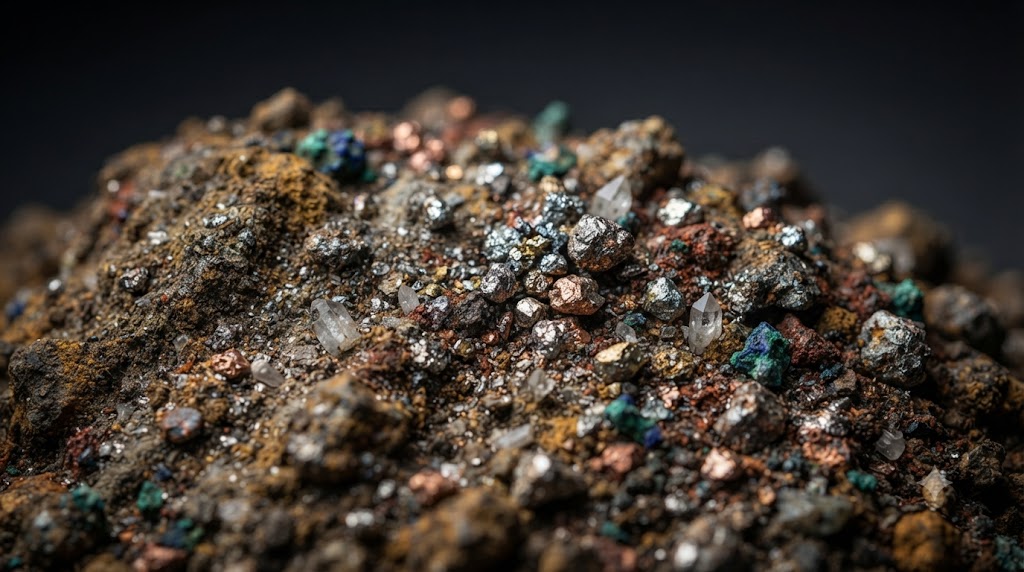
Huge quantities of metals and other elements get discarded each year in mining waste, representing an underexploited circular economy opportunity that industry researchers increasingly flag. Tailings, slag piles and waste rock deposits contain valuable elements including zinc, copper, manganese and rare earth metals that agricultural and industrial supply chains need. For procurement teams managing metal and micronutrient portfolios, understanding this emerging resource recovery pathway could reshape sourcing strategies as resource scarcity and sustainability pressures intensify.
The agricultural and industrial sectors consume significant quantities of metallic micronutrients and base metals addressing deficiencies that limit yields or production efficiency. Current supply chains rely primarily on virgin metal production from dedicated mining operations or as byproducts from base metal smelting. Mining waste recovery could provide alternative sources at potentially lower costs and environmental footprints than conventional routes, though technical, economic and regulatory barriers must be overcome before commercial-scale operations emerge.
The Scale of Discarded Materials Globally
Global mining operations generate roughly 100 billion tons of waste annually including tailings from ore processing, waste rock from excavation and slag from metallurgical operations. These materials contain metals at concentrations too low to justify recovery using conventional extraction economics but potentially viable under alternative scenarios.
Tailings from copper mining contain residual copper but also zinc, molybdenum and other elements that report to waste streams during concentration processes optimized purely for primary metal recovery. Iron ore tailings contain manganese, phosphorus and trace elements. Gold mining tailings can contain copper, zinc and arsenic that must be managed as environmental liabilities but could theoretically be recovered as products.
The cumulative inventory of mining waste accumulated over decades of operations represents enormous material volumes stored in tailings dams, waste rock piles and abandoned mine sites. Some estimates suggest billions of tons of waste containing recoverable metal values comparable to or exceeding reserves at active mining operations.
However, this waste is distributed globally across thousands of sites with varying metal content, mineralogy, physical characteristics and environmental conditions. Recovery economics depend critically on site-specific factors including metal grades, proximity to markets, access to processing infrastructure and regulatory frameworks governing waste reuse.
Valuable Metals Hidden in Tailings
Mining waste contains metals at lower concentrations than exploited ores but potentially at grades sufficient to justify recovery when targeting multiple elements simultaneously and when environmental liabilities get converted to asset values through waste reduction.
A copper mine tailings impoundment might contain 0.1% to 0.3% copper, 0.02% to 0.05% zinc and trace molybdenum. While too low for conventional recovery, these concentrations could support processing specifically designed for multi-element recovery where revenues combine across several products to justify operating costs.
The materials are already mined and milled, eliminating the energy and environmental costs of ore extraction and initial grinding. Reprocessing focuses on concentration and purification rather than repeating the entire mineral processing chain.
Proximity to existing infrastructure including power, water and transportation reduces capital requirements versus greenfield mining projects. Many waste sites sit adjacent to operating or recently closed mines with roads, utilities and workforce availability supporting new processing operations.
Environmental liability reduction provides additional economic value not captured in simple metal price calculations. Mining companies face closure obligations including tailings stabilization and long-term environmental monitoring. Technologies that reduce waste volumes or convert hazardous materials to commercial products reduce these liabilities, creating financial incentives beyond commodity metal values.
Recovery Technologies Gaining Traction
Researchers are developing several technical pathways for recovering metals from mining waste for industrial and agricultural applications. Hydrometallurgical processing using acid or alkaline leaching selectively dissolves target metals from waste materials followed by purification through precipitation, solvent extraction or ion exchange.
Bioleaching employs microorganisms that solubilize metals through metabolic processes producing organic acids or oxidizing reduced metal species. This biological approach operates at ambient temperatures with lower energy consumption than conventional pyrometallurgical routes but requires longer processing times.
Electrochemical recovery applies electrical potential to leach solutions, selectively depositing metals onto electrodes from which they can be harvested. This approach offers high selectivity and purity but requires electrical energy inputs.
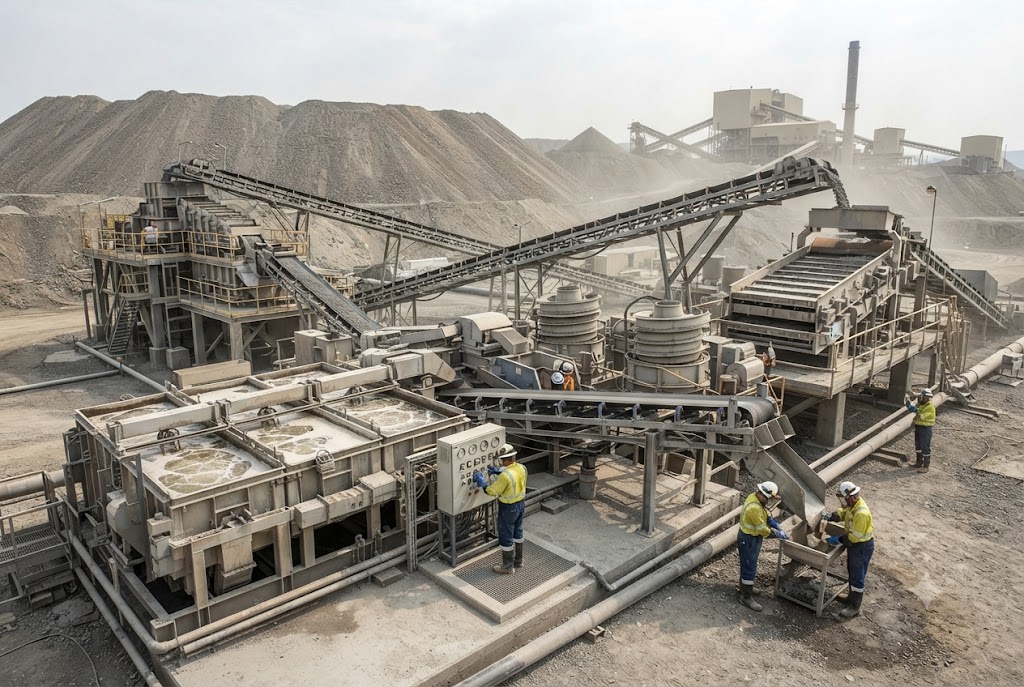
Pyrometallurgical concentration roasts or smelts waste materials to concentrate metals through volatilization of gangue minerals or selective reduction. These high-temperature processes suit materials with favorable mineralogy but require significant energy.
The optimal approach depends on waste characteristics including mineralogy, metal distribution, particle size and contaminant presence. Multi-stage processes combining different techniques may prove most effective for complex waste streams containing multiple valuable elements alongside deleterious contaminants.
Supply Chain Implications for Buyers
Procurement teams managing metal and micronutrient portfolios should monitor mining waste recovery developments as potential diversification opportunities for sourcing. Near-term impacts remain limited given early-stage technical maturity, but strategic planning should incorporate scenarios where these sources achieve commercial viability.
Supplier evaluation criteria should evolve to assess not just price and quality but also environmental footprint and circularity attributes that customers and regulators increasingly value. Suppliers offering credible circular economy solutions may warrant preferred status or willingness to accept modest price premiums.
Long-term contracting strategies might incorporate provisions for alternative materials as they become available, maintaining flexibility to switch from virgin to recycled sources when quality, price and volume requirements can be met.
Investment in supplier development partnerships could accelerate commercialization of promising waste recovery technologies. Buyers willing to provide technical feedback, commit to offtake volumes or offer development funding could secure preferential access to new supply sources while supporting innovation aligned with sustainability objectives.
Risk management frameworks should account for potential supply disruptions affecting virgin metal sources due to mining depletion, regulatory restrictions or geopolitical factors. Diversification through waste-derived alternatives reduces concentration risk even if those alternatives initially supply small volumetric percentages.
Regulatory Drivers for Circular Sourcing
Government policies could significantly accelerate or hinder mining waste metal recovery through several mechanisms. Mining closure regulations that impose financial liability for long-term waste management create incentives for companies to reduce waste volumes and environmental hazards through recovery technologies.
Tax incentives for circular economy activities including accelerated depreciation, investment credits or reduced royalty rates for secondary materials could improve project economics. Several jurisdictions offer such incentives for recycling activities that could extend to mining waste processing.
Public procurement preferences for products incorporating recycled content create guaranteed demand supporting market development. Government metal purchases or industrial support programs could specify minimum recycled content thresholds that advantage mining waste-derived materials.
Research funding through agencies supporting mining innovation, industrial technology or environmental remediation can de-risk technology development and generate public data supporting commercialization. Several national programs exist supporting these research areas.
Trade policy affects competitiveness of waste-derived products through tariffs, subsidies and international agreements governing waste materials movement. Favorable treatment of secondary materials versus virgin ores could level playing fields or create advantages for circular economy supply chains.
Economic Viability of Recovery
Mining waste metal recovery faces significant economic hurdles despite conceptual appeal. Low metal grades mean large volumes must be processed to generate meaningful product quantities, requiring substantial capital investment in handling and processing equipment.
Operating costs including energy, reagents, labor and maintenance must be recovered from product sales competing against established primary production routes. Conventional mining operations achieve economies of scale and optimized metallurgy that set challenging cost benchmarks for waste recovery operations.
Product quality specifications for industrial and agricultural use are less demanding than for high-purity applications, potentially allowing lower purity products that reduce processing costs. However, markets also exhibit strong price sensitivity limiting premiums that buyers will pay for environmentally preferred materials.
Transportation costs affect economics significantly given that waste sites exist in specific locations while markets are distributed globally. A waste recovery operation in remote mining region faces freight costs delivering products to consuming regions that domestic producers in those markets avoid.
Regulatory compliance including environmental permitting, waste handling requirements and product registration add costs and time delays. Reprocessing mining waste still generates residual wastes requiring disposal or stabilization, though volumes should be substantially lower than original waste quantities.
What Procurement Teams Should Track
Chemical buyers managing metal or micronutrient portfolios should track several indicators signaling progress of mining waste metal recovery toward commercial viability. Watch for facility construction announcements, regulatory approvals and commercial production startup dates that indicate projects moving from planning to operational phases.
Monitor customer qualification activities where manufacturers test and approve waste-derived materials. These qualifications signal that materials will soon be available for commercial purchases.
Track pricing announcements and initial supply agreements that reveal whether waste-derived materials can compete economically versus conventional alternatives or require substantial premiums limiting market adoption.
Observe technical performance data from manufacturers using waste-derived materials including quality consistency, supply reliability and field performance versus conventional material benchmarks.
Follow policy developments including incentive program modifications, import duty changes and recycled content requirements that affect economics of various sourcing options.
Strategic Takeaways for Metal Buyers
The mining waste recovery opportunity represents genuine potential but faces substantial execution challenges around infrastructure, cost competitiveness and scale achievement. Companies developing these technologies possess technical capabilities positioning them well to succeed if market and policy conditions cooperate.
Procurement teams should monitor progress closely and engage early with successful entrants to access emerging supply options as they reach commercial maturity. Near-term impacts remain limited given early-stage technical maturity, but strategic planning should incorporate scenarios where these sources achieve commercial viability.
Supplier evaluation criteria should evolve to assess not just price and quality but also environmental footprint and circularity attributes that customers and regulators increasingly value. Suppliers offering credible circular economy solutions may warrant preferred status or willingness to accept modest price premiums.
The path from laboratory innovation to commercial-scale production involves technical risks, capital requirements and market uncertainties that may affect actual commercialization timing. Development targets represent current expectations but could shift based on technology performance, market conditions or corporate priorities.
Procurement teams should maintain awareness through industry publications, conference participation and supplier engagement, positioning themselves to act when commercial options mature. Understanding which waste streams show most promise helps buyers prioritize monitoring efforts and resource allocation.
The Bottom Line for Resource Recovery
Huge quantities of metals and other elements discarded each year in mining waste represent an underexploited circular economy opportunity industry researchers increasingly flag. For procurement teams managing metal and micronutrient supply chains, understanding this resource recovery pathway could reshape sourcing strategies as sustainability pressures intensify.
The technology matures through pilot and demonstration facilities operating at scales sufficient to supply niche markets or regional applications. Regulatory approvals for novel materials extend over multi-year periods as agencies evaluate safety data, environmental impacts and performance.
Market development involves educating potential buyers, conducting customer trials and building distribution relationships. Industrial markets are conservative with product adoption timelines measured in years as manufacturers and engineers gain comfort with new materials.
Ready to source Zinc Sulphate Monohydrate from verified global suppliers? Explore competitive offers on our platform today.
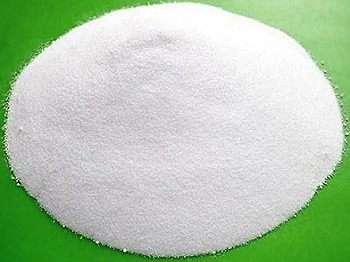
Zinc Sulphate Monohydrate
Found this useful?