Moderna Advances Personalized Cancer Vaccines Through mRNA Innovation
Introduction
Moderna is expanding the boundaries of messenger RNA (mRNA) technology beyond infectious diseases by advancing the development of personalized cancer vaccines. Building on the success of its mRNA platform, the company is leveraging genomic sequencing and precision medicine to create individualized vaccines designed to help the immune system recognize and attack cancer cells. This innovative approach has the potential to transform oncology by offering treatments tailored to each patient's unique tumor profile.
For pharmaceutical companies, biotechnology firms, specialty chemical suppliers, and procurement professionals, the advancement of personalized mRNA cancer vaccines signals growing demand for advanced manufacturing capabilities, high-purity raw materials, and specialized supply chain solutions.
Understanding Personalized Cancer Vaccines
Unlike traditional vaccines that prevent infectious diseases, personalized cancer vaccines are therapeutic treatments developed specifically for individual patients.
The process begins by analyzing a patient's tumor through genomic sequencing. Researchers identify unique mutations, known as neoantigens, that are present only in cancer cells. An mRNA vaccine is then designed to instruct the body's immune system to recognize these neoantigens and launch a targeted immune response against the tumor.
This personalized approach aims to improve treatment effectiveness while minimizing damage to healthy tissues.
How mRNA Technology Enables Precision Oncology
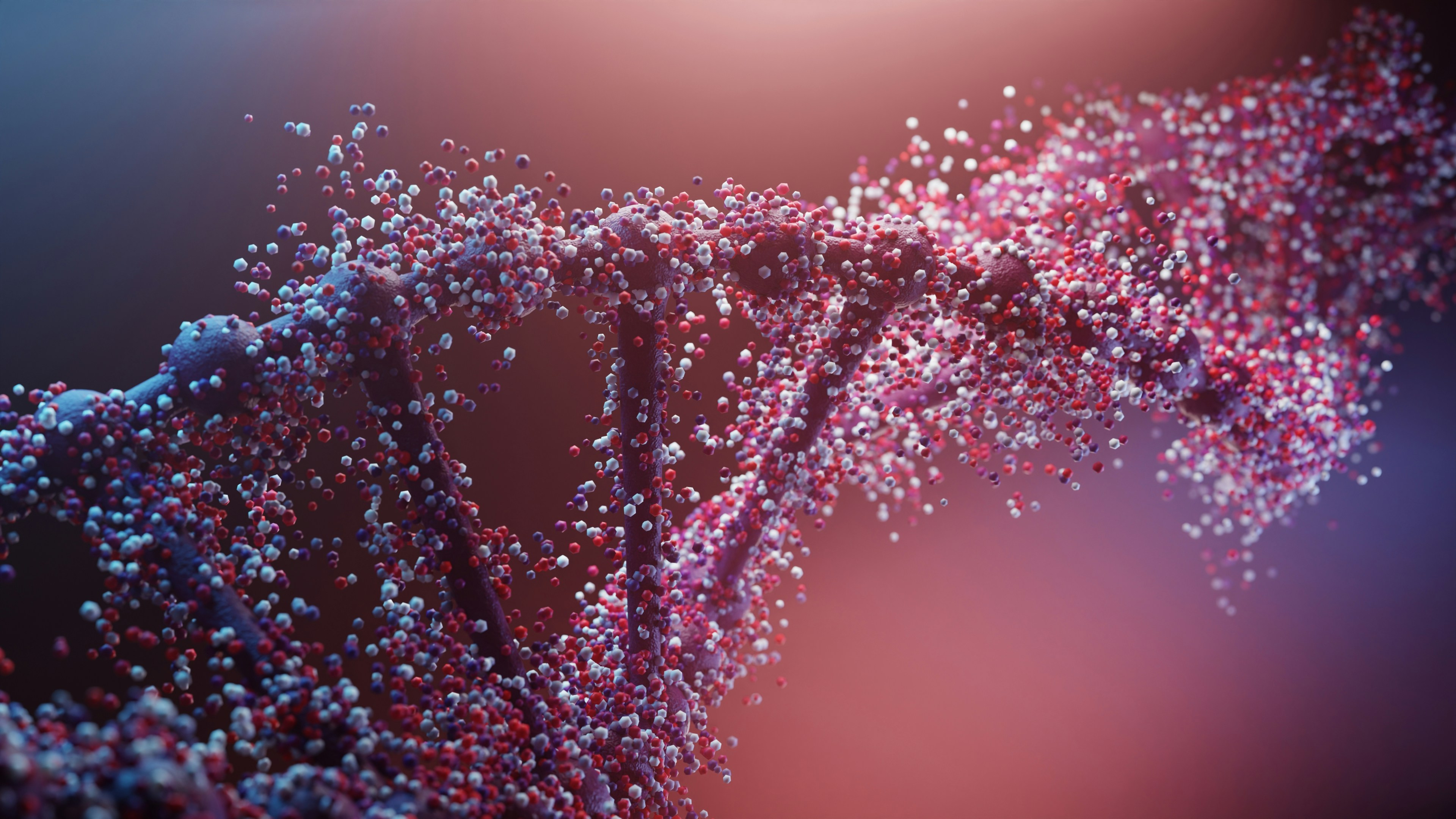
Messenger RNA serves as a temporary genetic blueprint that instructs cells to produce specific proteins. In personalized cancer vaccines, mRNA carries the genetic instructions for tumor-specific antigens.
The process typically involves:
Sequencing the patient's tumor DNA.
Identifying cancer-specific mutations.
Designing a customized mRNA sequence.
Manufacturing the personalized vaccine.
Administering the vaccine to stimulate an immune response against cancer cells.
Because mRNA does not alter a patient's DNA and naturally degrades after delivering its instructions, it provides a flexible and efficient platform for precision medicine.
Benefits of Personalized mRNA Cancer Vaccines
Personalized vaccines offer several potential advantages over conventional cancer therapies.
Targeted Immune Response
By focusing on mutations unique to an individual's tumor, personalized vaccines help the immune system distinguish cancer cells from healthy cells.
Faster Vaccine Development
Modern mRNA manufacturing enables rapid vaccine design once tumor sequencing has been completed, reducing development timelines compared to traditional biologic therapies.
Potential for Improved Outcomes
Early clinical studies suggest that combining personalized mRNA vaccines with immune checkpoint inhibitors may improve recurrence-free survival in certain cancers.
The same mRNA technology can potentially be adapted for multiple cancer types, making it a scalable platform for future oncology treatments.
Impact on Pharmaceutical Manufacturing
The rise of personalized therapies is reshaping pharmaceutical production.
Manufacturers will require:
Flexible small-batch production facilities.
Advanced genomic data integration.
High-purity lipid nanoparticles.
Pharmaceutical-grade nucleotides.
Specialized cold-chain logistics.
Rapid quality control and release testing.
Unlike traditional mass-produced medicines, personalized vaccines require highly agile manufacturing systems capable of producing individualized treatments within tight timelines.
Supply Chain and Procurement Implications
As personalized medicine expands, procurement strategies must evolve alongside manufacturing innovations.
Organizations should prepare for increased demand for:
mRNA raw materials.
Lipid nanoparticle components.
Single-use bioprocessing equipment.
Sterile manufacturing consumables.
Cold-chain packaging solutions.
Genomic sequencing services.
Procurement teams will also need stronger collaboration with suppliers to ensure material availability, quality assurance, and regulatory compliance.
Challenges Ahead
Despite significant progress, several challenges remain before personalized cancer vaccines become widely available.
These include:
Complex regulatory approval pathways.
High manufacturing costs.
Personalized production logistics.
Scaling manufacturing capacity.
Ensuring equitable patient access.
Managing large volumes of genomic and clinical data.
Addressing these challenges will require continued collaboration between pharmaceutical companies, healthcare providers, regulators, and technology partners.
Future Outlook
The advancement of personalized mRNA vaccines represents a major milestone in precision oncology. As genomic sequencing becomes faster and more affordable, individualized therapies are expected to become increasingly accessible across a wider range of cancers.
Continued investment in artificial intelligence, genomic analytics, and automated manufacturing is likely to further accelerate vaccine development while improving production efficiency.
For suppliers across the life sciences ecosystem, this trend creates new opportunities in specialty chemicals, biologics manufacturing, analytical testing, and advanced pharmaceutical logistics.
Conclusion
Moderna's progress in personalized cancer vaccines demonstrates how mRNA technology is evolving beyond infectious disease prevention into one of the most promising areas of modern oncology. By combining genomic sequencing with precision medicine, personalized vaccines have the potential to deliver more targeted, effective, and patient-specific cancer treatments.
For pharmaceutical manufacturers, procurement professionals, and specialty chemical suppliers, this innovation highlights the growing importance of agile manufacturing, resilient supply chains, and strategic investment in advanced life sciences technologies. Organizations that adapt to these evolving requirements will be well positioned to support the next generation of personalized healthcare.