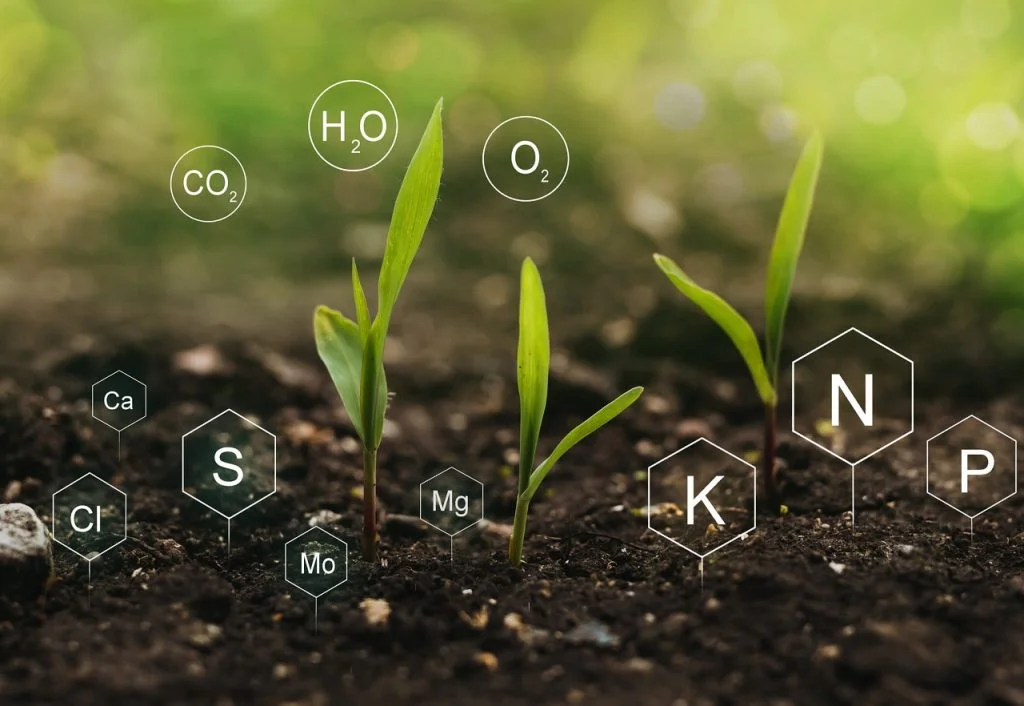
Mosaic Biosciences Advances Sustainable Agricultural Nutrient Solutions
Agricultural producers increasingly need to improve crop nutrition while using available resources more efficiently. Mosaic's Biosciences platform is responding to this shift by developing biological solutions designed to improve nutrient use efficiency and support more sustainable agricultural systems.
The initiative represents a broader move toward combining conventional crop nutrition with biological technologies. For fertilizer producers, agricultural input suppliers, traders and procurement teams, this development signals an evolving market where nutrient efficiency and sustainability are becoming increasingly important purchasing considerations.
Why Nutrient Use Efficiency Matters in Modern Agriculture
Nutrient use efficiency describes how effectively crops use the nutrients supplied through agricultural inputs. Improving this efficiency can help growers obtain greater value from their nutrient programs while supporting more responsible resource management.
Traditional fertilizer products remain fundamental to global agriculture, but biological approaches can complement conventional nutrient management. Technologies that help plants access, absorb or use nutrients more effectively can create opportunities for more targeted agricultural input strategies.
For procurement professionals, this trend creates a new area to monitor alongside conventional fertilizer demand. Buyers may increasingly evaluate agricultural solutions based not only on nutrient content but also on how effectively those nutrients contribute to crop performance.
Mosaic's Biosciences Platform and Its Strategic Role
Mosaic's Biosciences platform forms part of the company's broader effort to develop biological solutions for agriculture. Its focus on nutrient use efficiency connects biological innovation with one of the industry's central challenges, delivering effective crop nutrition while supporting more sustainable production systems.
The platform's development also reflects how agricultural input companies are expanding beyond conventional fertilizer formulations. Biological technologies can provide another tool for growers seeking to optimize nutrient management across different crop and soil conditions.
This approach creates potential value across several points in the agricultural supply chain:
Growers can explore solutions designed to make existing nutrient programs more efficient and responsive to crop requirements.
Fertilizer suppliers can monitor opportunities to combine conventional nutrients with biological technologies.
Agricultural traders can track emerging demand for products positioned around nutrient efficiency and sustainability.
Procurement teams can evaluate biological solutions as part of broader strategies for improving agricultural input performance.
The Connection Between Biological Solutions and Fertilizer Markets
The growth of biological agricultural technologies does not necessarily replace conventional fertilizers. Instead, it can support a more integrated approach in which biological solutions work alongside established nutrient products.
Major nutrients such as nitrogen, phosphorus and potassium remain essential for crop production. Fertilizer procurement therefore continues to depend on factors such as crop demand, application requirements, production economics and global supply conditions.
Biological solutions introduce another consideration. If they can improve the efficiency with which crops use supplied nutrients, growers may gain additional value from existing fertilizer programs.
This relationship is particularly relevant for fertilizer traders and distributors. Market participants that understand both conventional nutrient products and emerging biological technologies may be better positioned to respond as agricultural buyers diversify their input strategies.

Sustainability Is Becoming a Procurement Consideration
Sustainability has moved beyond a communications topic and increasingly influences how agricultural businesses evaluate products and technologies. Input efficiency is one practical area where sustainability objectives and commercial interests can overlap.
A solution that helps growers use nutrients more effectively can potentially support both productivity goals and resource efficiency. This makes nutrient use efficiency an important concept for companies developing, distributing and purchasing agricultural inputs.
For procurement managers, the sustainability discussion can translate into several practical questions:
Does the solution complement existing fertilizer programs?
Can it support more efficient nutrient management?
What agricultural applications can it serve?
How easily can it integrate into established procurement and distribution channels?
Can suppliers provide consistent availability as adoption increases?
These considerations can become increasingly important as agricultural companies seek solutions that combine performance with more efficient resource use.
What This Means for Agricultural Input Traders
The emergence of biological nutrient solutions creates an additional layer of opportunity for agricultural traders. Conventional fertilizer markets remain critical, but buyers are also becoming more interested in technologies that can improve the performance of existing nutrient applications.
Traders can benefit from tracking developments in biological agriculture alongside established fertilizer fundamentals. This includes monitoring how manufacturers position biological solutions, which agricultural markets show the strongest interest and how these products fit into existing crop nutrition programs.
Product knowledge will also become more important. Buyers may require suppliers to explain how a biological solution complements conventional nutrients rather than viewing it as a standalone replacement.
A broader product portfolio can therefore help suppliers address different procurement priorities. Conventional fertilizers can continue serving core nutrient requirements while biological technologies offer additional options focused on efficiency and sustainable agricultural practices.
Regional Demand Could Shape Adoption
Agricultural input demand varies significantly between markets because crop types, soil conditions, farming practices and fertilizer application patterns differ by region. These differences can influence how quickly biological nutrient technologies gain traction.
Markets with strong agricultural production and increasing attention to input efficiency could provide opportunities for biological solutions. At the same time, adoption will depend on growers' familiarity with the technology, product availability and the ability of suppliers to demonstrate practical value.
For international traders, this creates an opportunity to assess biological agriculture as part of broader regional market intelligence. Understanding local fertilizer consumption patterns can help identify where nutrient efficiency solutions may complement existing demand.
Supply chain considerations will also matter. Biological agricultural products may require different handling, storage or distribution practices compared with conventional mineral fertilizers, depending on the specific technology and formulation.
Conventional Fertilizers Still Have a Central Role
The development of biological solutions does not reduce the importance of conventional fertilizers in global crop nutrition. Farmers continue to rely on established nutrient sources to meet fundamental crop requirements.
Products such as urea, ammonium sulfate, monoammonium phosphate, diammonium phosphate and potassium sulfate remain important components of agricultural nutrient programs. Their availability, pricing and international trade flows continue to influence procurement decisions across agricultural markets.
The opportunity lies in integration. Biological solutions can be viewed as part of a broader nutrient management strategy rather than as an isolated category.
For buyers, this means the agricultural input market may increasingly contain complementary solutions. Procurement teams can evaluate conventional nutrients for their direct nutrient contribution while assessing biological technologies for their potential role in improving nutrient efficiency.
Procurement Priorities for the Emerging Biosciences Market
Companies entering or expanding within this segment should approach procurement with a clear understanding of both agricultural requirements and supply chain realities.
Several priorities deserve attention:
Supplier capability: Buyers should assess whether suppliers can support consistent commercial requirements as demand develops.
Product integration: Biological solutions should be evaluated according to how they fit existing crop nutrition programs.
Market positioning: Procurement teams should understand whether a product targets nutrient efficiency, crop performance or broader sustainability objectives.
Supply reliability: Availability remains critical when agricultural inputs must reach growers within specific planting and application windows.
Long-term potential: Buyers should monitor whether biological technologies can move from niche applications toward broader agricultural adoption.
These priorities can help procurement teams evaluate emerging technologies without losing sight of the practical requirements that govern agricultural input purchasing.
The Broader Direction of Sustainable Crop Nutrition
Mosaic's Biosciences platform reflects a wider movement within agriculture toward technologies that can improve the efficiency of crop production. Biological solutions represent one part of this transition, alongside precision agriculture, improved fertilizer formulations, soil management practices and more targeted nutrient application.
The commercial importance of this shift comes from the connection between sustainability and efficiency. Agricultural businesses need to maintain crop productivity while managing input costs and resource use, creating demand for solutions that can potentially deliver more value from existing nutrient programs.
For chemical and fertilizer traders, this development is a signal to broaden market intelligence beyond traditional commodity fundamentals. Understanding emerging biological technologies can help suppliers anticipate changing buyer priorities and identify new opportunities within the agricultural input market.
What Buyers Should Watch Next
The development of biological agricultural solutions is likely to remain an important area for fertilizer and agricultural input market participants. Mosaic's Biosciences platform highlights how established agricultural companies are investing in biological approaches designed to improve nutrient use efficiency and support more sustainable systems.
Procurement teams should therefore track the evolution of biological solutions alongside conventional fertilizer markets. The most relevant opportunities may emerge where biological technologies complement established nutrient products and address practical challenges faced by growers.
For traders and distributors, the key opportunity is to understand how these technologies fit into the wider agricultural supply chain. Companies that monitor both conventional fertilizer demand and emerging nutrient efficiency solutions can build a more complete view of where agricultural procurement is heading.

Urea (Granular) - Egypt
Found this useful?