Global fertilizer markets have highlighted the importance of resilient supply chains. While international producers remain critical to global agriculture, recent supply chain disruptions have demonstrated that where fertilizers are produced can be just as important as how competitively they are priced.
Among the world's leading fertilizer manufacturers, The Mosaic Company occupies a unique position. With major phosphate production facilities in the United States, Mosaic supplies a significant portion of the North American market through domestic mining, manufacturing, and logistics networks.
For fertilizer procurement professionals, this domestic production base provides an additional layer of supply resilience, helping reduce dependence on long-distance international shipping while supporting reliable access to phosphate fertilizers.
Mosaic's Position in the Global Fertilizer Industry
The Mosaic Company is one of the world's largest producers of crop nutrients.
Its core business includes:
Phosphate fertilizers
Potash fertilizers
Phosphoric acid
Animal feed ingredients
Crop nutrition products
The company serves customers across North America, Latin America, and international agricultural markets.
The Importance of Domestic Phosphate Production
Unlike suppliers that rely primarily on overseas production and international shipping, Mosaic manufactures much of its phosphate fertilizer within the United States.
This domestic production model offers several operational advantages:
Shorter transportation distances
Integrated mining and manufacturing
Established domestic logistics
Greater visibility across the supply chain
Reduced dependence on international shipping routes
These factors can contribute to improved supply continuity for North American customers.
From Mine to Fertilizer
Mosaic's phosphate value chain begins with phosphate rock mining.
The production process generally includes:
Mining phosphate rock
Beneficiation and processing
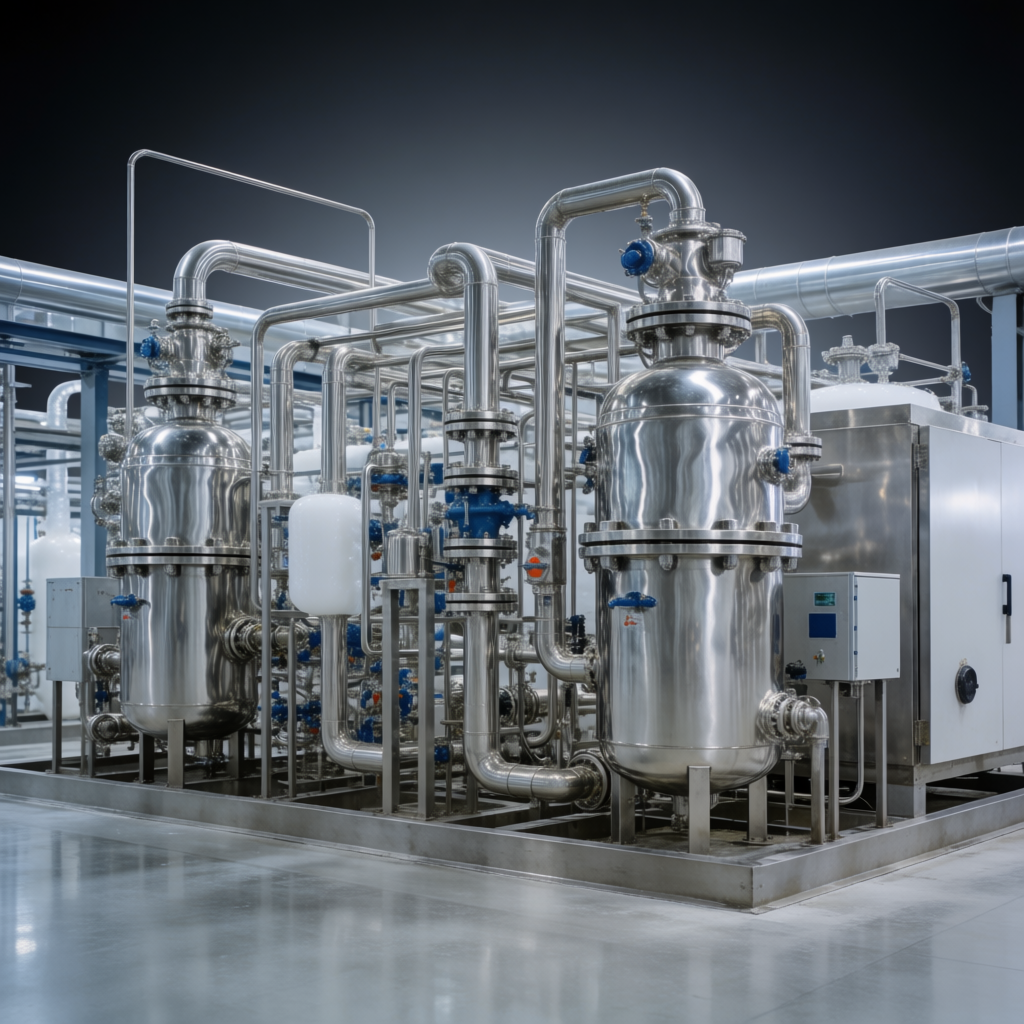
Phosphoric acid production
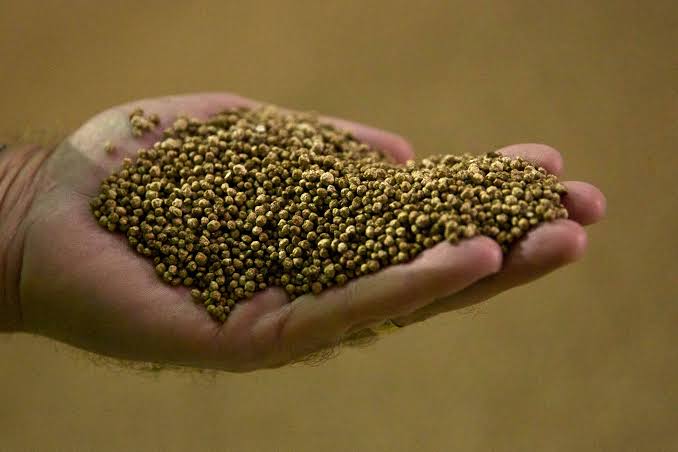
Manufacturing finished phosphate fertilizers
Distribution to agricultural markets
This integrated approach allows greater operational coordination throughout the production process.
Key Phosphate Products
Mosaic produces a broad range of phosphate-based products, including:
Diammonium Phosphate (DAP)
Monoammonium Phosphate (MAP)
Phosphoric Acid
Specialty phosphate fertilizers
Animal feed phosphates
These products support diverse agricultural applications across multiple crop types.
Why Domestic Supply Matters
Procurement strategies increasingly focus on supply reliability alongside pricing.
Domestic production provides several advantages.
Supply Continuity
Domestic manufacturing reduces dependence on complex international transportation networks.
Faster Distribution
Products manufactured closer to customers may benefit from shorter delivery times and simplified logistics.
Greater Supply Visibility
Procurement teams often have improved visibility into domestic inventory, transportation schedules, and production capacity.
Reduced Transportation Complexity
Domestic distribution typically involves fewer international logistics stages, customs procedures, and border-related documentation.
Procurement Considerations
Supplier selection should evaluate multiple strategic factors.
Balance Domestic and International Sources
Maintaining a diversified supplier portfolio can improve long-term supply resilience.
Combining domestic production with international sourcing helps reduce dependence on any single region.
Evaluate Production Capacity
Review supplier manufacturing capabilities and long-term investment plans.
Review Logistics Networks
Efficient transportation and warehousing remain essential components of fertilizer supply reliability.
Assess Product Quality
Procurement decisions should include evaluation of:
Develop Long-Term Partnerships
Collaborative supplier relationships can improve planning, communication, and operational efficiency.
Risk Management Through Supplier Diversification
An effective fertilizer sourcing strategy often includes suppliers with different production locations.
A diversified procurement portfolio may include:
This approach helps strengthen business continuity while supporting competitive sourcing.
Sustainability and Operational Efficiency
Modern phosphate production increasingly focuses on:
Procurement professionals should consider these initiatives alongside traditional commercial evaluation criteria.
Long-Term Outlook
Global fertilizer markets will continue to depend on both domestic production and international trade to meet growing agricultural demand. Companies with integrated production, reliable logistics, and consistent manufacturing capabilities are likely to remain key partners for agricultural supply chains.
For North American procurement professionals, domestic phosphate production offers valuable operational resilience while complementing broader international sourcing strategies. Building balanced supplier portfolios that combine reliable domestic manufacturers with qualified global partners can strengthen long-term fertilizer procurement and support greater supply chain flexibility.
Key Takeaways
The Mosaic Company is one of the world's leading producers of phosphate and potash fertilizers.
Domestic phosphate production supports supply continuity through integrated mining, manufacturing, and distribution within the United States.
Shorter transportation distances and established logistics networks can enhance supply reliability for North American buyers.
Procurement strategies should combine domestic and international suppliers to strengthen long-term supply chain resilience.
Product quality, production capacity, logistics performance, and supplier partnerships remain key evaluation factors for fertilizer sourcing.